
Solar panel lifespan
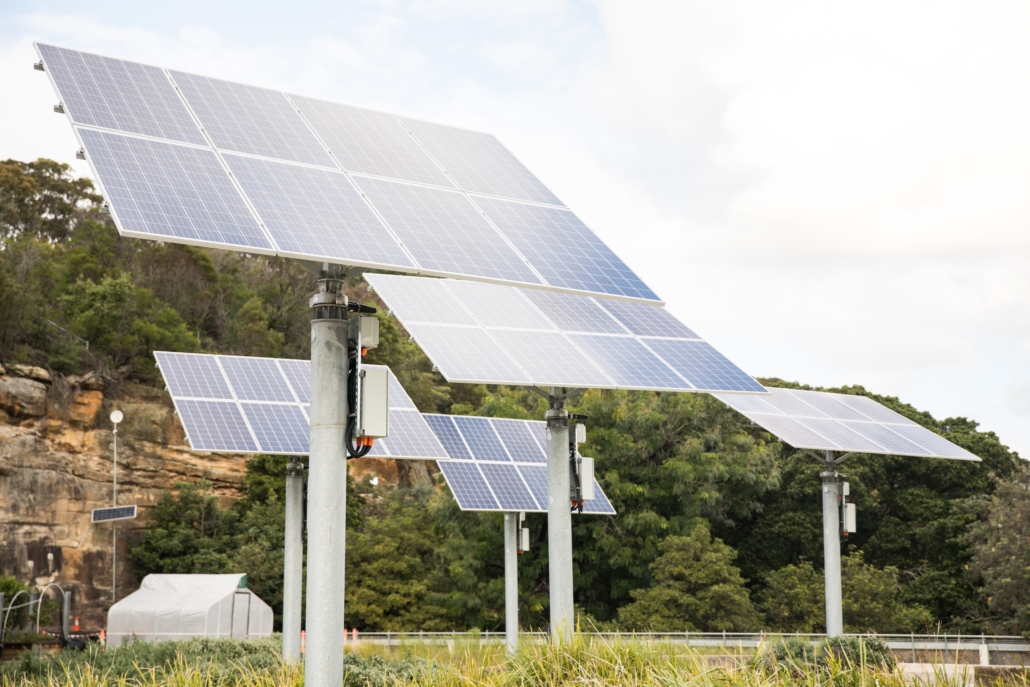
The lifespan of solar panels is a key factor when investing in photovoltaic energy. In general terms, solar panels are estimated to last between 25 and 30 years, although high-quality models can continue producing energy beyond that period. Over time, their performance gradually decreases, but proper installation, quality materials, and adequate maintenance help maximize their efficiency and profitability.
Duration and performance of solar panels
Throughout their lifespan, solar panels typically maintain at least 80% of their initial production capacity. The average annual degradation rate ranges between 0.3% and 1%, being lower in high-end panels. This degradation directly affects energy production and return on investment, making panel quality a decisive factor.
Panels manufactured with advanced technologies and supported by extended performance warranties deliver better long-term results, maintaining higher generation capacity even after decades of use.
Factors that affect the lifespan of solar panels
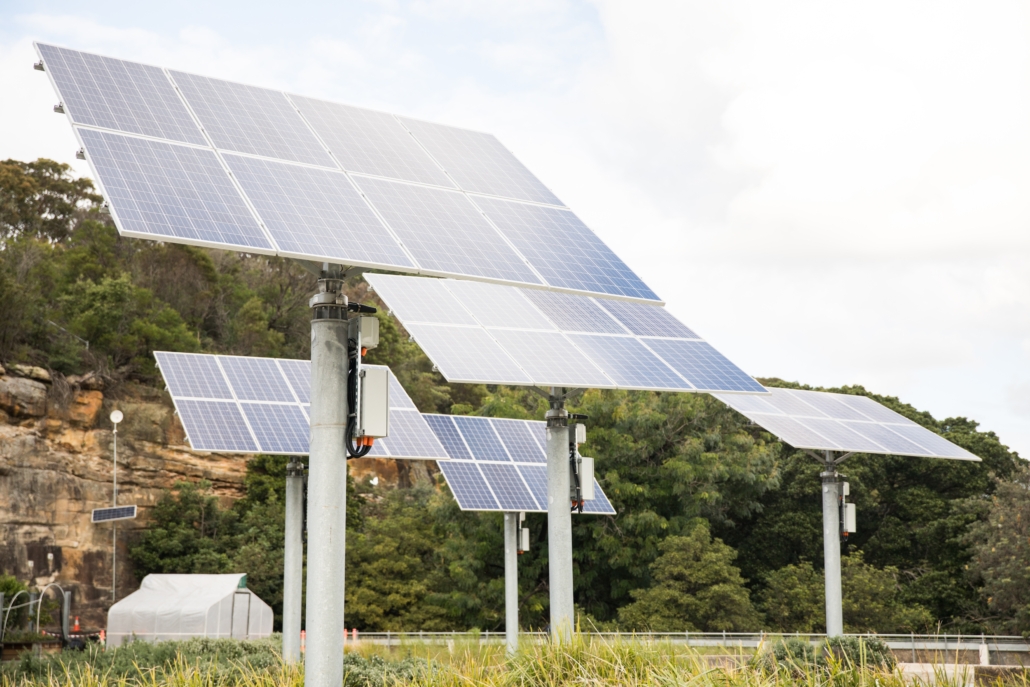
Environmental conditions have a direct impact on panel durability. Factors such as extreme temperatures, humidity, intense solar radiation, dust, or pollution can accelerate degradation. In addition, phenomena like light-induced degradation or repeated thermal cycles can affect photovoltaic cells over time.
Corrosion—especially in coastal or high-humidity areas—and poor electrical configuration can also reduce system efficiency if not properly managed.
Maintenance and best practices to extend lifespan
Proper maintenance is key to extending the lifespan of solar panels. Regular cleaning prevents dirt buildup that reduces light capture, while electrical inspections help detect faults before they affect performance.
Equally important is professional installation that ensures correct orientation, tilt, and mounting of the panels. Poor installation can accelerate degradation and significantly reduce energy production from the early years.
Warranties and quality of solar panels
Manufacturer warranties are a clear indicator of panel quality. Typically, these include product warranties covering manufacturing defects and performance warranties that guarantee a minimum production level for 25 years or more.
Carefully reviewing warranty conditions, comparing manufacturers, and understanding limitations are essential to making an informed purchase decision and protecting the long-term investment.
Recycling and sustainable management at end of life
When solar panels reach the end of their lifespan, recycling becomes essential. Through specialized processes, materials such as aluminum, glass, silicon, or silver can be recovered, reducing the need to extract new raw materials.
Solar panel recycling helps reduce waste, lower the carbon footprint, and strengthen the circular economy within the energy sector, while also creating jobs in the recycling industry.
Replacement and upgrading of solar systems
With constant technological advances, it may sometimes be cost-effective to replace or upgrade solar panels before the end of their lifespan. New, more efficient models, energy storage systems, or self-consumption solutions can optimize energy production and usage.
Before replacing a system, it is advisable to assess both costs and energy/economic benefits, as well as compatibility with the existing setup.
Conclusion
The lifespan of solar panels depends on multiple factors, from material quality and installation to maintenance and environmental conditions. Choosing quality panels, performing proper maintenance, and planning recycling at the end of their life cycle helps maximize performance and profitability. Investing in durable and sustainable solar systems not only ensures better energy use but also contributes to a cleaner, more efficient, and responsible long-term energy model.









Leave a Reply
Want to join the discussion?Feel free to contribute!