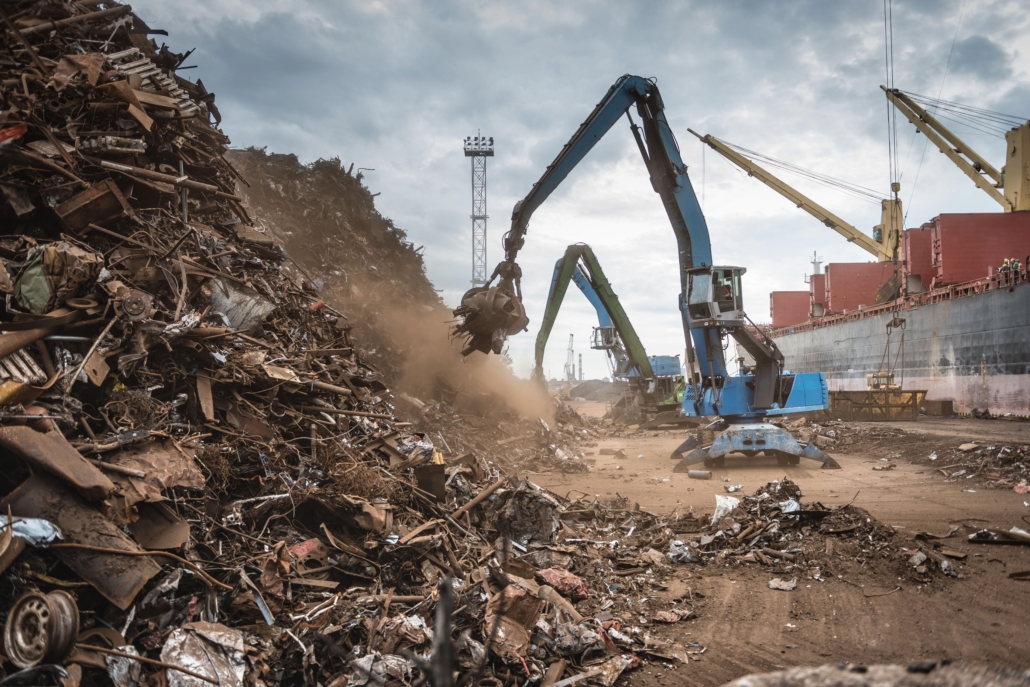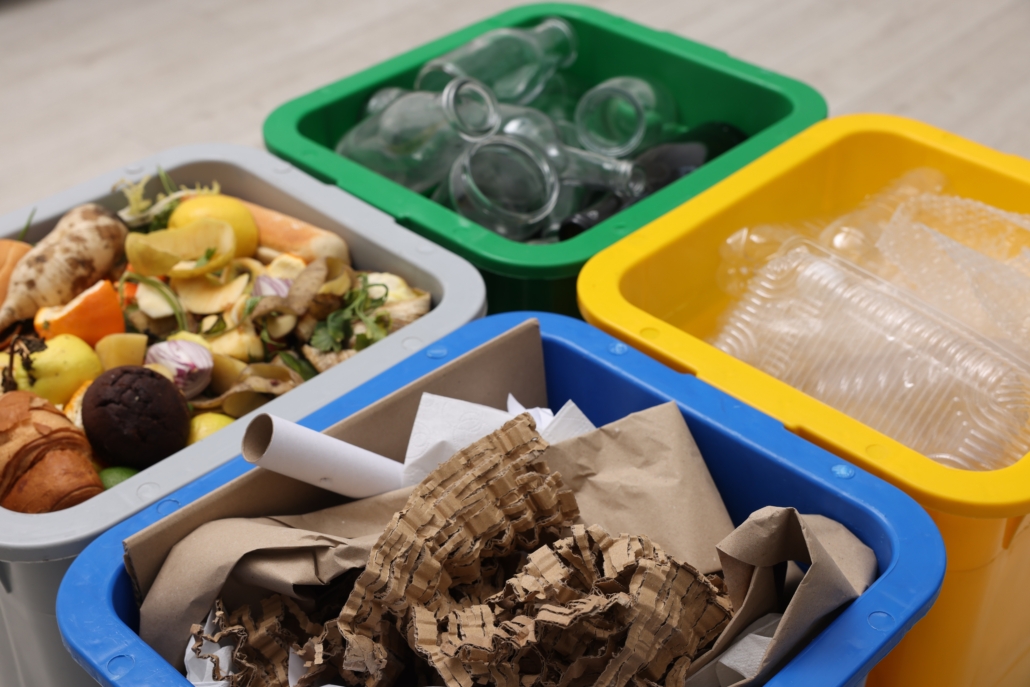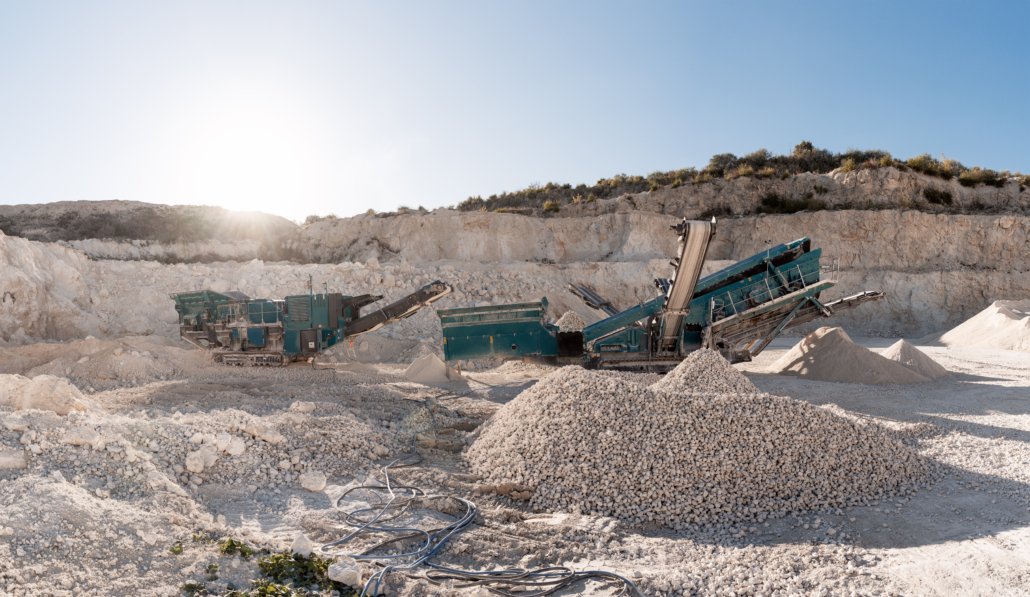
Design, manufacture and assembly of turnkey recycling plants, tailored to each waste stream and focused on efficiency and profitability.

Waste management regulations in Spain are essential to ensure sustainable waste management and reduce environmental impact. These regulations establish measures for waste collection, treatment, recycling, and recovery, while also promoting the development of the circular economy and environmental protection.

Regulatory Framework for Waste Management

Spanish waste legislation is based on national, regional, and European regulations. Among the most important are the Waste Legislative Royal Decree and the State Framework Waste Management Plan, which establish objectives for prevention, recycling, and reducing the amount of waste sent to landfill.

In addition, Spain’s autonomous communities develop specific regulations adapted to the needs of each territory, coordinating with local authorities to improve management efficiency. European Union directives also play a key role, especially in promoting the circular economy and ecological transition.

Types of Waste and Specific Regulations

The regulations distinguish different types of waste according to their hazardous nature and origin. The most important categories include:

  • Hazardous waste, which requires strict controls for storage, transport, and disposal.
  • Municipal and non-hazardous waste, managed through selective collection and recycling systems.
  • Industrial and construction waste, subject to specific treatment plans.
  • Waste electrical and electronic equipment (WEEE), regulated through extended producer responsibility systems.

Each category has specific protocols to minimize environmental risks and improve material recovery.

Extended Producer Responsibility

One of the pillars of current regulations is extended producer responsibility. This system requires manufacturers and distributors to take responsibility for managing the waste generated by their products at the end of their useful life.

This particularly affects sectors such as:

  • Packaging and plastic products.
  • Electrical and electronic equipment.
  • Tires and other special waste.

To comply with these obligations, many companies participate in collective collection and recycling systems that allow waste to be managed more efficiently and sustainably.

Waste Collection and Treatment Operations

Waste management includes several key stages:

  • Collection and transport.
  • Classification and storage.
  • Recycling and recovery treatments.
  • Controlled disposal.

Among the most common treatments are material recycling, composting of organic waste, energy recovery, and in some cases, controlled incineration or disposal in authorized landfills.

Treatment facilities must comply with very strict technical and environmental requirements to ensure safety and minimize polluting emissions.

Waste Prevention and Circular Economy

Current regulations prioritize waste prevention over disposal. To achieve this, measures are promoted such as:

  • Reducing the use of single-use plastics.
  • Encouraging product reuse and repair.
  • Implementing separate collection systems.
  • Developing recyclable packaging and eco-design strategies.

The goal is to reduce waste generation and keep materials within the production cycle for as long as possible, thereby promoting the circular economy.

Environmental Protection and Administrative Control

The legislation also establishes control mechanisms to protect the environment and public health. These include:

  • Regulation of contaminated soils.
  • Environmental inspection and monitoring systems.
  • Waste registration and traceability.
  • Control of emissions and polluting activities.

Authorized companies and waste managers must comply with registration, reporting, and waste tracking obligations to ensure safe and transparent management.

Future Challenges in Waste Management

Among the main challenges are the increase in waste resulting from urban growth and consumption, as well as the need to modernize infrastructure and recycling systems.

Spain continues to move toward more sustainable models through the development of new technologies, process digitalization, and the integration of policies aligned with European sustainability and circular economy objectives.

Conclusion

Waste management regulations in Spain are essential to reducing environmental impact and promoting a more sustainable model based on the circular economy. Proper waste classification, collection, and treatment, together with the responsibility of producers, public administrations, and citizens, help improve material recovery and advance toward more efficient and responsible resource management.


Thermoplastics are polymers that soften when heated and harden when cooled. This property allows them to be easily molded, reused, and recycled, making them widely used materials in industry and everyday products.

Characteristics of Thermoplastics

Thermoplastics stand out for several important properties:

  • Ability to be molded and recycled multiple times
  • Good impact and wear resistance
  • Flexibility and ease of manufacturing
  • Thermal and electrical insulation in some applications

Thanks to these characteristics, they are versatile materials used in sectors such as automotive, construction, food packaging, and electronics.

Main Examples of Thermoplastics

Some of the most commonly used thermoplastics include:

  • Polyethylene (PE): used in bags, packaging, and pipes.
  • Polypropylene (PP): used in food containers and automotive parts.
  • PET: commonly found in beverage bottles and recycled textile fibers.
  • PVC: widely used in construction and electrical insulation.
  • Polycarbonate (PC): applied in safety glasses and transparent panels.
  • ABS: present in household appliances and industrial components.
  • Nylon: used in textiles and mechanical parts.
  • Teflon (PTFE): known for its non-stick properties.

Applications in Industry and Everyday Life

Thermoplastics are present in many everyday products and industrial processes. They are used in packaging, toys, electronic components, car parts, construction materials, and medical products.

Their light weight, strength, and ease of processing make it possible to manufacture durable products adapted to different needs.

Manufacturing and Recycling

Thermoplastics are manufactured through processes such as injection molding, extrusion, and thermoforming. One of their main advantages is that they can be recycled and reused in new products, reducing raw material consumption and waste generation.

Recycling these materials is essential for promoting the circular economy and reducing the environmental impact of plastic waste.

Durability and Responsible Use

The strength and durability of thermoplastics help extend the lifespan of many products. However, proper management and recycling are essential to avoid environmental problems associated with excessive plastic waste.

The development of recycling technologies and the responsible use of these materials help improve their sustainability and efficiency.

Conclusion

Thermoplastics are essential materials in modern industry thanks to their versatility, strength, and recyclability. Products such as polyethylene, PVC, and PET are part of many everyday and industrial applications. Their reuse and recycling help reduce waste and support more sustainable and efficient production models.


Recycling plastics is a crucial activity for environmental sustainability and the circular economy. As everyday life produces large amounts of plastic waste, it is essential to understand the processes involved in its transformation and reuse. 

This comprehensive guide explores the key steps in plastics recycling, the different types of materials, and their impact on the environment. Through education and awareness, we can contribute to a more sustainable and responsible future. 

Procesos de reciclaje de plásticos

Key processes in plastics recycling 

Recycling plastics is an essential process for waste management in an increasingly sustainability-conscious world. Not only does this process reduce the amount of plastics that end up in landfills and oceans, but it also encourages the circular economy, where materials are reused instead of being discarded. The key processes in plastics recycling are described below. 

Collection and sorting of plastic packaging 

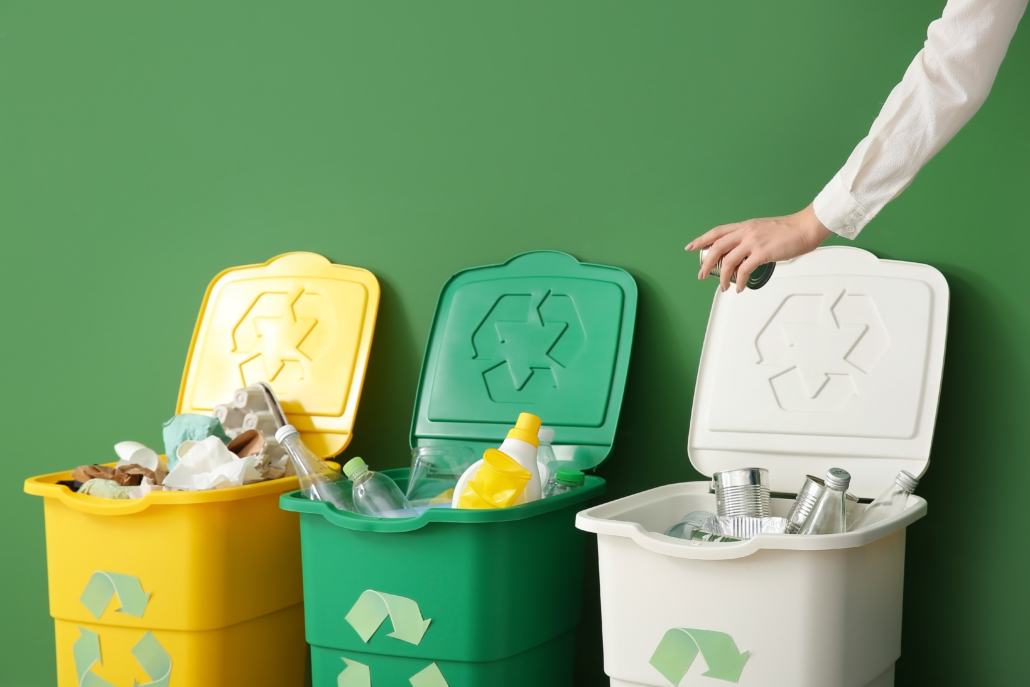
The first stage of plastic recycling begins with the collection of discarded packaging in homes and workplaces. It is essential that citizens properly separate plastic containers in the yellow container, which is specifically designated for this type of waste. A correct initial classification facilitates the subsequent process, since plastics can be mixed with other materials, which would complicate their recycling. 

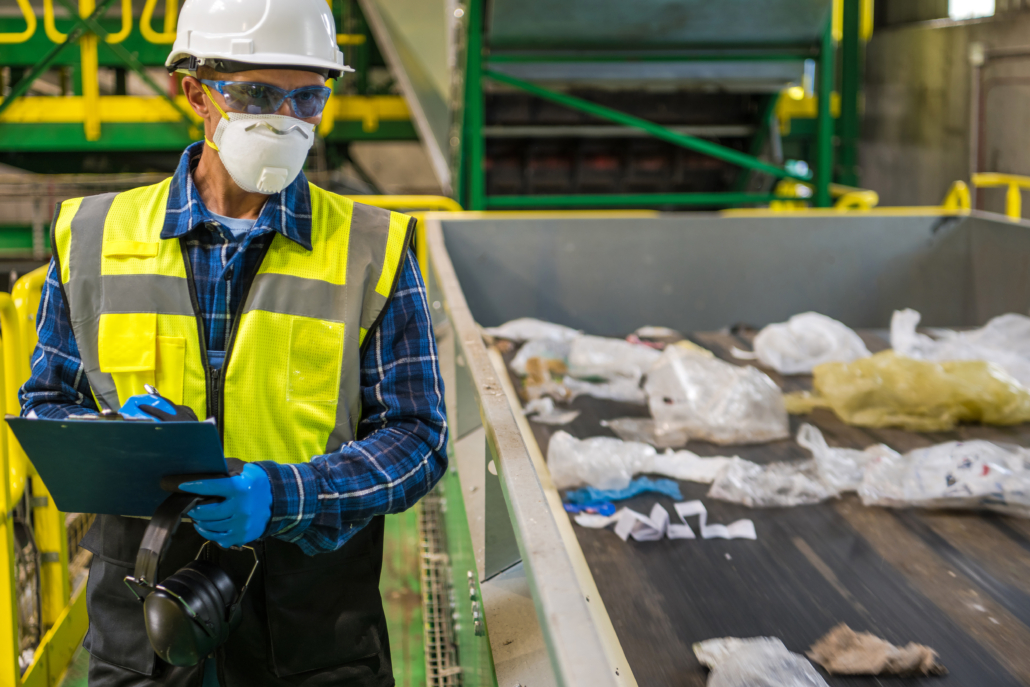
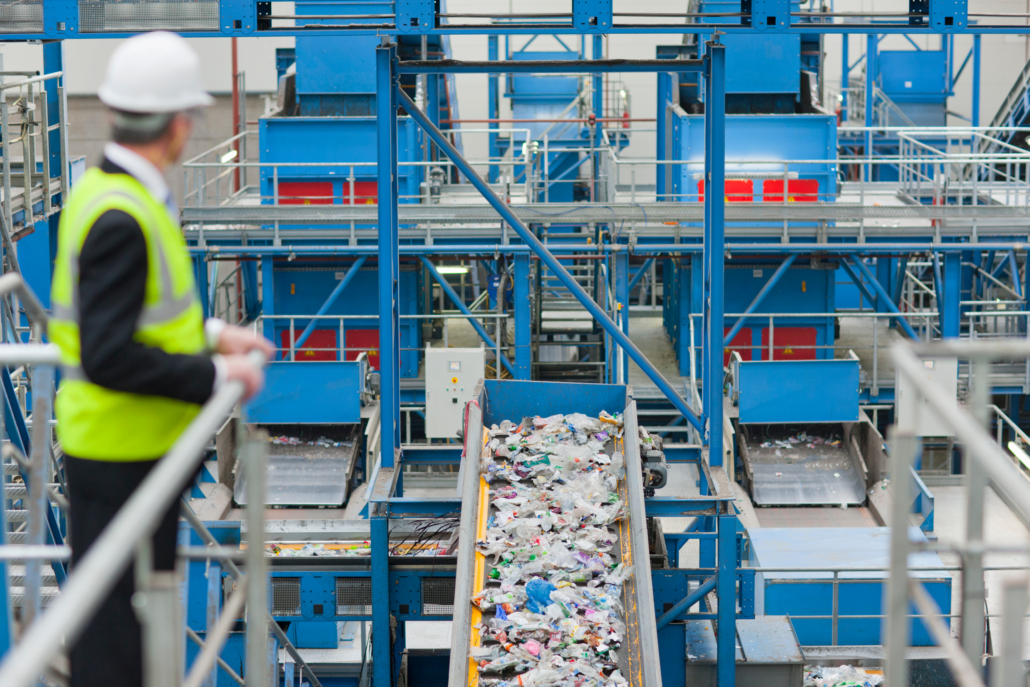
Once the plastic containers are deposited in the yellow container, they are transported to recycling plants where they are sorted. In these facilities, a distinction is made between plastics, metals and bricks, thanks to an automated process that uses advanced technology. The purity of the materials is crucial, as it determines the quality of the recycled plastic that will ultimately be obtained. A good level of separation is essential to ensure that recycled plastics are suitable for the manufacture of new products.

Sorting and separation in specialized plants 

The next phase in plastics recycling takes place in sorting plants, where a more detailed process is carried out. These plants are equipped with technology that allows for a precise selection of different types of plastics. This step is key, as plastics have diverse properties and chemical compositions that require specific procedures for processing. 

In Spain, Ecoembes manages a network of 97 sorting plants. There, plastic packaging is classified into categories that include PET (polyethylene terephthalate), HDPE (high-density polyethylene), PVC (polyvinyl chloride) and polypropylene (PP), among others. Thanks to this type of sorting, the recycling process is optimized, ensuring that each type of plastic is treated with the most appropriate method to maximize its recovery and reduce pollution in recycling.

Transformation of plastics into recycled raw material 

Once the plastic packaging has been sorted and sorted, the next step is its transformation into recycled raw material. The plastics are grouped into bales and sent to approved recyclers, who are entities specialized in the processing of these materials. This process involves various treatment techniques, which usually include washing and crushing. 

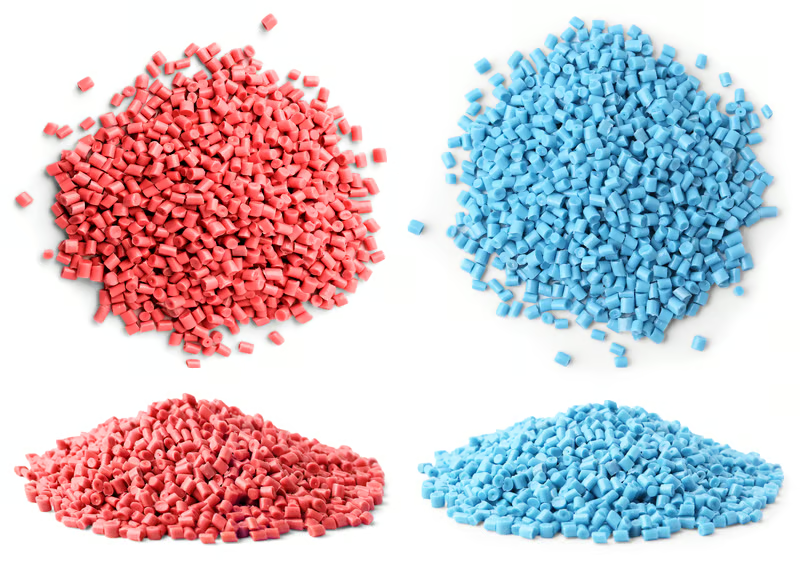
In the case of PET, commonly used in bottles, it undergoes rigorous washing to remove impurities, followed by a crushing process in which it is converted into small chips. These chips are the ones that will be used to manufacture new packaging or even textile fibers. HDPE, on the other hand, also goes through a similar wash and is transformed into pellets that can be used to produce new products, such as pipes or containers. 

In summary, plastic recycling is a complex process that begins with the collection and sorting of packaging and culminates in the transformation of these into recycled raw materials. Each stage is critical to ensure that effective recycling is achieved that contributes to a more sustainable future.

Types of plastics and their specific recycling methods 

Recycling plastics is a process that varies significantly depending on the type of material used. Knowing the particularities of each plastic is essential to optimize its recovery and recycling. This section will address the specific recycling methods of the most common plastics, such as PET, HDPE, as well as the challenges associated with PVC and polypropylene. 

PET recycling: washing and shredding 

Polyethylene terephthalate (PET) is one of the most recycled plastics in the world, mainly used in beverage bottles. The recycling process begins with the collection of PET containers, which are then transported to recycling plants. There, an exhaustive washing and crushing process is carried out. 

In the washing phase, the containers are purified to remove contaminants such as labels and content residues. The clean PET is then shredded into small pieces, known as chips or flakes. These flakes are the ones that will be used as raw material for the manufacture of new products, including bottles, textiles, and other packaging. 

HDPE Recycling: Processes and Applications 

High-density polyethylene (HDPE) is another commonly recycled plastic, prevalent in cleaning products and food packaging. Like PET, the HDPE recycling process includes washing and transformation stages. HDPE containers are sorted and cleaned to remove impurities. 

Once cleaned, the HDPE is crushed and turned into pellets. These granules have very diverse applications, allowing the manufacture of new products such as containers, pipes and toys. The versatility of recycled HDPE makes it a highly valued material, thus contributing to the circular economy. 

PVC and polypropylene recycling: challenges and solutions 

Recycling other types of plastics, such as polyvinyl chloride (PVC) and polypropylene (PP), presents several challenges. Both plastics are less common in the recycling cycle, in part due to the complexity of their composition and the risks associated with their processing. 

  • Purification requirements: PVC, for example, can release toxic substances during recycling, requiring more careful processes. 
  • Limitations in mechanical recycling: Polypropylene, although recyclable, is not always accepted in recycling plants due to its low demand on the secondary market. 
  • Technological innovations: New chemical recycling technologies are being developed to address these limitations, allowing these plastics to break down into their building blocks. 

With the development of better methods and technologies, it is possible to increase the recycling rate of these plastics and minimize their environmental impact, contributing to a more sustainable future. 

Impact and management of plastics recycling 

Recycling plastics has a significant impact on both an environmental and economic level. Proper management of plastic waste not only contributes to the reduction of environmental impact, but also offers opportunities to strengthen the circular economy. Through a comprehensive approach to recycling management, it is possible to maximize the benefits derived from this crucial process. 

Environmental and economic benefits of recycling 

Plastic recycling is presented as an effective solution to mitigate various environmental problems. First, it helps reduce the amount of waste sent to landfills, which in turn decreases soil and water pollution. By recycling plastics, the generation of new materials from virgin resources is avoided, which translates into lower energy consumption and a reduction in greenhouse gas emissions. 

From an economic point of view, plastics recycling not only creates jobs in the waste management and recycling sector, but also promotes innovation in the production of new materials and products. The integration of recycled plastics in the manufacture of products, such as new packaging and textile fibres, boosts the competitiveness of companies by offering more sustainable alternatives to consumers. 

Education and public awareness for responsible recycling 

Education and awareness are fundamental pillars in the management of plastic recycling. Ecoembes and other organisations work to provide information and resources that help citizens understand the importance of correctly separating waste and contributing to the recycling process. Awareness programs promote sustainable practices in the home, thus encouraging responsible behavior that positively impacts the environment. 

The formation of a culture of recycling among the population allows not only to improve the recovery rates of materials, but also to generate a sense of shared responsibility in the fight against plastic pollution. A comprehensive educational approach can lead to greater citizen participation and more effective waste management, benefiting both the environment and the local economy. 

Reverter Industries Recycling Plants: Solutions for All Materials 

At Reverter Industries we have specialized recycling plants for all types of materials, offering comprehensive solutions that cover the complete waste management cycle. Our facilities are designed to treat metals, paper, cardboard, glass, industrial waste and, of course, all types of plastics. 

Our plastic recycling plants are equipped with state-of-the-art technology to process the main polymers: PET, HDPE, PVC, polypropylene and other plastic materials that are difficult to recover. Thanks to our sorting, washing, shredding and granulation processes, we transform plastic waste into high-quality raw material, ready to be reincorporated into the industrial production chain. 

At Reverter Industries, we believe that the circular economy starts with the right infrastructure. That is why we are continuously investing in expanding our treatment capacity and developing new recycling lines that meet the needs of the market and the environmental objectives of our customers. If you are looking for a reliable industrial partner for the management and recycling of your plastic waste or other materials, at Reverter Industries we have the solution. 

Thermoplastic and thermosetting elastomers are polymers with unique properties that make them essential in many industries. They are characterized by their elasticity, strength, and ability to adapt to different thermal and mechanical conditions. A thorough understanding of these materials allows for the optimization of their use in design, manufacturing, and recycling.

Classification and Main Characteristics

Plastic materials are divided into thermoplastics, thermosets, and elastomers. Thermoplastics can be melted and recycled, while thermosets maintain a rigid structure after curing and cannot be reprocessed.


Elastomers are known for their high elasticity and ability to return to their original shape

They are divided into:

  • Thermoplastic elastomers, which are recyclable and moldable
  • Thermosetting elastomers, which are more resistant and durable but not recyclable

Properties and behavior

Thermoplastic elastomers offer flexibility, chemical resistance, and ease of processing, in addition to being recyclable. Thermoset elastomers, on the other hand, offer greater rigidity, heat resistance, and durability.

In general, thermoplastics stand out for their ability to deform and recover, while thermosets offer greater stability under extreme conditions.

Manufacturing processes

  • Thermoplastic elastomers are manufactured using processes such as injection molding or extrusion, which allow for flexible and efficient production.
  • Thermosetting elastomers require a chemical curing process that creates a permanent structure, providing strength but limiting their recyclability.

Industrial Applications

These materials are used in sectors such as automotive, construction, packaging, and electronics. They are used in gaskets, seals, electrical components, footwear, and food packaging, thanks to their combination of strength and flexibility.

Recycling and Sustainability

The recycling of elastomers is key to sustainability. Thermoplastics can be easily recycled, reducing costs and resource consumption. However, thermosets present greater challenges due to their chemical structure.

The development of new technologies and recyclable materials is driving more sustainable solutions within the circular economy.

Conclusion

Thermoplastic and thermoset elastomers are essential materials in modern industry due to their versatility and performance. While thermoplastics stand out for their recyclability and flexibility, thermosets offer greater strength and durability. Advancing recycling technologies and developing new sustainable materials will be key to maximizing their use and reducing their environmental impact.

Waste treatment plants are essential infrastructures for efficiently managing municipal solid waste. Their main function is to classify, process, and valorize waste, reducing its environmental impact while promoting recycling and the circular economy.

Sustainable waste management

Proper waste management helps minimize negative environmental impacts. Waste can be organic, inorganic, or hazardous, and each type requires specific treatment. Source separation is essential to improve material recovery and reduce the amount of waste sent to landfills.

Processes and operation of waste treatment plants

Waste treatment plants apply different processes to manage waste:

  • Collection and sorting to separate recyclable materials
  • Mechanical treatments such as shredding and separation
  • Biological processes such as composting or anaerobic digestion
  • Energy recovery through incineration or biogas generation

These stages allow waste to be transformed into new resources or energy, optimizing its use.

Types of waste treatment plants

There are different types of plants depending on their function:

  • Sorting and separation plants, which identify recyclable materials
  • Valorization plants, which convert waste into energy or new products
  • Specialized plants, such as those for hazardous waste or organic treatment

The use of advanced technologies, such as automated systems, shredders, and biological processes, improves efficiency and treatment accuracy.

Environmental and economic benefits

Waste treatment offers significant advantages:

  • Reduces the volume of waste sent to landfills
  • Lowers pollutant emissions
  • Promotes recycling and material reuse
  • Creates jobs and supports economic development
  • Encourages the circular economy

It also helps make use of resources that would otherwise be lost, reducing the need for virgin raw materials.

Optimization and efficient management

To improve plant performance, it is essential to:

  • Promote waste separation at the source
  • Incorporate sustainable and efficient technologies
  • Carry out maintenance and equipment upgrades
  • Optimize waste transport and logistics
  • Encourage environmental awareness

These strategies increase system efficiency and reduce environmental impact.

Treatment of materials and hazardous waste

Waste treatment plants also process materials such as paper, plastics, and metals through specific recycling processes. In the case of hazardous waste, advanced treatments and strict regulations are applied to ensure safe disposal and prevent risks to health and the environment.

Conclusion

Waste treatment plants are essential for moving towards a more sustainable model. They help reduce environmental impact, recover valuable materials, and optimize waste management. Investing in their improvement, along with proper waste sorting and the use of advanced technologies, is key to building a more efficient and responsible circular economy.

The lifespan of solar panels is a key factor when investing in photovoltaic energy. In general terms, solar panels are estimated to last between 25 and 30 years, although high-quality models can continue producing energy beyond that period. Over time, their performance gradually decreases, but proper installation, quality materials, and adequate maintenance help maximize their efficiency and profitability.

Duration and performance of solar panels

Throughout their lifespan, solar panels typically maintain at least 80% of their initial production capacity. The average annual degradation rate ranges between 0.3% and 1%, being lower in high-end panels. This degradation directly affects energy production and return on investment, making panel quality a decisive factor.

Panels manufactured with advanced technologies and supported by extended performance warranties deliver better long-term results, maintaining higher generation capacity even after decades of use.

Solar panel lifespan

Factors that affect the lifespan of solar panels

Environmental conditions have a direct impact on panel durability. Factors such as extreme temperatures, humidity, intense solar radiation, dust, or pollution can accelerate degradation. In addition, phenomena like light-induced degradation or repeated thermal cycles can affect photovoltaic cells over time.

Corrosion—especially in coastal or high-humidity areas—and poor electrical configuration can also reduce system efficiency if not properly managed.

Maintenance and best practices to extend lifespan

Proper maintenance is key to extending the lifespan of solar panels. Regular cleaning prevents dirt buildup that reduces light capture, while electrical inspections help detect faults before they affect performance.

Equally important is professional installation that ensures correct orientation, tilt, and mounting of the panels. Poor installation can accelerate degradation and significantly reduce energy production from the early years.

Warranties and quality of solar panels

Manufacturer warranties are a clear indicator of panel quality. Typically, these include product warranties covering manufacturing defects and performance warranties that guarantee a minimum production level for 25 years or more.

Carefully reviewing warranty conditions, comparing manufacturers, and understanding limitations are essential to making an informed purchase decision and protecting the long-term investment.

Recycling and sustainable management at end of life

When solar panels reach the end of their lifespan, recycling becomes essential. Through specialized processes, materials such as aluminum, glass, silicon, or silver can be recovered, reducing the need to extract new raw materials.

Solar panel recycling helps reduce waste, lower the carbon footprint, and strengthen the circular economy within the energy sector, while also creating jobs in the recycling industry.

Replacement and upgrading of solar systems

With constant technological advances, it may sometimes be cost-effective to replace or upgrade solar panels before the end of their lifespan. New, more efficient models, energy storage systems, or self-consumption solutions can optimize energy production and usage.

Before replacing a system, it is advisable to assess both costs and energy/economic benefits, as well as compatibility with the existing setup.

Conclusion

The lifespan of solar panels depends on multiple factors, from material quality and installation to maintenance and environmental conditions. Choosing quality panels, performing proper maintenance, and planning recycling at the end of their life cycle helps maximize performance and profitability. Investing in durable and sustainable solar systems not only ensures better energy use but also contributes to a cleaner, more efficient, and responsible long-term energy model.

Battery recycling is a key process for environmental sustainability and the protection of public health. Proper management of used batteries helps prevent soil and water contamination while allowing valuable materials to be recovered and reused in industry. Understanding how recycling works and the different stages involved is essential to maximize its effectiveness and move toward a more circular economy.

Importance of collecting and managing used batteries

Proper collection of used batteries is the first step in the recycling process. Recycling centers and selective collection systems make it easier for citizens to dispose of batteries safely. This prior classification ensures that each type of battery receives the appropriate treatment.

Once collected, batteries must be transported to treatment plants following strict safety protocols, as they may contain hazardous substances. Storage also requires specific conditions to prevent risks such as leaks, fires, or explosions.

Types of batteries and their recycling

There are different types of batteries, each with its own characteristics that determine how they are recycled. Lithium batteries, widely used in electronic devices and electric vehicles, contain valuable materials such as lithium, cobalt, and nickel, but they also pose risks if not properly managed.

Lead-acid batteries, commonly used in the automotive sector, are among the most recycled due to the ease of recovering lead. Meanwhile, alkaline batteries and cells require specific treatment, although they are considered less hazardous if managed correctly.

Battery recycling processes and techniques

Battery recycling combines different techniques to maximize material recovery and minimize environmental impact. The process usually begins with mechanical pre-treatment, which includes discharging and shredding the batteries to separate metals, plastics, and other components.

Subsequently, thermal or chemical treatments are applied. Pyrometallurgy uses high temperatures to melt materials and recover metals, while hydrometallurgy employs liquid solutions to extract and purify elements such as lithium, cobalt, or nickel in a more controlled manner.

Recovery and reuse of valuable materials

One of the major benefits of battery recycling is the recovery of critical raw materials. Metals such as lithium, cobalt, nickel, or lead can be reincorporated into the manufacture of new batteries, energy storage systems, or electronic components.

This process reduces the need to extract natural resources, lowers energy consumption, and strengthens the circular economy by keeping materials in use for longer and reducing waste generation.

Environmental benefits and challenges of battery recycling

Battery recycling helps minimize soil and water pollution, prevents the release of toxic substances, and reduces the volume of hazardous waste sent to landfills. It also lowers the environmental footprint associated with the production of new batteries.

However, the sector faces significant challenges, such as improving process efficiency and adapting to the growing volume of batteries on the market. Technological innovation and investment in new solutions will be key to addressing these challenges.

How to recycle batteries correctly

Battery recycling always begins with proper separation at the source. Batteries should never be disposed of in regular household waste, as they contain chemicals and metals that can contaminate soil and water.

The first step is to identify the type of battery. Household batteries, batteries from electronic devices, and car or electric vehicle batteries require different treatments. Proper separation facilitates subsequent recycling and improves process efficiency.

Once separated, batteries should be stored safely until they are handed over, avoiding impacts, moisture, or contact between terminals—especially in the case of lithium batteries. From there, they enter a specialized collection and treatment circuit that includes safe transport, dismantling, material separation, and recovery of valuable metals such as lithium, lead, nickel, or cobalt.

Where to recycle used batteries

There are multiple designated points for battery recycling. It is common to find specific containers for batteries and cells in supermarkets, shopping centers, and electronics stores. In the case of car batteries, mechanical workshops, dealerships, and authorized waste managers usually handle their collection and treatment in accordance with current regulations.

These infrastructures are part of the electronic recycling and sustainable mobility system, ensuring that batteries do not end up in landfills and that their materials can be reincorporated into new production processes.

If you want to learn more about the specific recycling of each type of battery and discover how to properly manage lithium batteries and car batteries, visit our specialized category. There you will find detailed information, recycling solutions, and practical content to recycle these key waste streams safely and sustainably.

Conclusion

The battery recycling process is essential to move toward a more sustainable and responsible model. Proper collection, treatment, and reuse of materials help reduce pollution, make better use of valuable resources, and strengthen the circular economy. Committing to efficient battery recycling not only protects the environment but is also crucial for the development of clean technologies and the future of sustainable mobility and energy.

Lithium battery recycling has become a fundamental aspect of reducing the environmental impact caused by the widespread use of electronic devices and electric vehicles. These batteries contain valuable materials such as lithium, cobalt, and nickel, but also potentially polluting substances if they are not managed properly. Effective recycling makes it possible to recover resources, prevent soil and water contamination, and move towards a more responsible circular economy model.

Environmental importance of lithium battery recycling

Improper disposal of lithium batteries can cause serious environmental damage, ranging from the release of toxic compounds to the risk of fires and explosions. In addition, the production of new batteries requires intensive extraction of natural resources, with a high ecological cost. Recycling reduces the need for new mining activities and helps protect sensitive ecosystems.

Material recovery and energy efficiency

One of the main benefits of recycling is the recovery of critical raw materials. Reusing lithium, cobalt, and nickel helps reduce the energy consumption associated with manufacturing new batteries and lowers production costs. This process is essential for the sustainable development of electric mobility and renewable energy technologies.

Recycling processes and management in Spain

In Spain, lithium battery recycling is organized through authorized collection points and specialized recycling plants. The process combines mechanical and chemical techniques that allow the separation and purification of the different components. All of this is regulated by strict legislation that ensures safety, traceability, and the proper management of these hazardous wastes.

Current challenges and the future of battery recycling

El crecimiento del vehículo eléctrico y del almacenamiento energético plantea nuevos desafíos. Será necesario mejorar continuamente los procesos de reciclaje, invertir en innovación tecnológica y reforzar la colaboración entre fabricantes, recicladores y administraciones. Adaptarse a nuevos tipos de baterías y aumentar la capacidad de tratamiento será clave para sostener esta transición.

Conclusion

Lithium battery recycling is not only an environmental obligation but also a strategic opportunity to move towards a cleaner and more efficient energy model. Recovering materials, reducing pollution, and minimizing dependence on scarce natural resources are essential steps to ensure a sustainable future. Investing in effective recycling today means securing environmental and economic balance for tomorrow.

Recycling car batteries is an essential element for moving toward more sustainable mobility. The growth of electric vehicles has significantly increased the demand for batteries, making proper management of their life cycle indispensable. Appropriate recovery and recycling help reduce environmental impact, recover valuable materials, and strengthen the circular economy.

Recycling as a pillar of sustainable mobility

The expansion of electric vehicles responds to the need to reduce emissions and improve air quality. However, this transition also involves an increase in battery production, whose manufacturing requires large amounts of natural resources such as lithium, nickel, and cobalt. Without responsible end-of-life management, these batteries can become a significant source of pollution.

Recycling plants play a key role, as they allow the recovery of strategic materials and reduce dependence on new extraction, closing the battery life cycle within the circular economy.

Life cycle of electric car batteries

The life cycle of a battery begins with the extraction of raw materials and manufacturing, processes that are energy-intensive and have a considerable environmental impact. During use, the battery gradually loses charging capacity due to natural wear.

Before reaching recycling, many batteries can have a second life in applications such as renewable energy storage or electrical backup systems. Finally, when they are no longer suitable for reuse, they must be collected and treated in specialized facilities that ensure safe and efficient management.

Key materials and their recovery

Electric vehicle batteries contain high-value materials such as lithium, nickel, and cobalt, which are essential for manufacturing new batteries. Through advanced recycling techniques such as hydrometallurgy and pyrometallurgy, it is possible to recover more than 80% of these materials.

Reusing these raw materials reduces the carbon footprint associated with producing new batteries, lowers pressure on natural resources, and improves the overall sustainability of the sector.

Recycling process for electric vehicle batteries

Battery recycling begins with safe collection and storage, following strict safety protocols. Next comes dismantling to separate components and the shredding of cells, generating what is known as “black mass,” which concentrates valuable metals.

Through advanced chemical treatments, recovered materials are purified and reintegrated into the production chain. The entire process is regulated by European standards that ensure safety, traceability, and compliance with environmental criteria.

Environmental impact and benefits of recycling

Battery recycling directly contributes to reducing emissions and lowering the carbon footprint by avoiding highly polluting extractive processes. It also prevents soil and water contamination by stopping the release of heavy metals and toxic substances.

From a strategic perspective, it strengthens energy security by reducing dependence on imported raw materials and promoting a more stable supply of key resources.

Circular economy and local development

Integrating battery recycling into the circular economy generates economic and social benefits. This sector drives the creation of green jobs, ranging from waste management to research and development of new recycling technologies.

The commitment of manufacturers, together with European regulations, is encouraging the implementation of increasingly efficient collection and recycling systems. Numerous success stories already show that environmental sustainability can go hand in hand with economic viability.

Challenges and future of battery recycling

Despite progress, battery recycling faces major challenges, such as improving recovery rates, developing new technologies, and adapting to new types of batteries. Innovation in machinery and processes will be key to increasing efficiency and reducing environmental impact.

Social awareness and citizen participation also play a fundamental role. Better information and education about the importance of recycling facilitate proper collection and maximize the benefits of the system.

Conclusion

Recycling car batteries is an essential pillar for ensuring truly sustainable electric mobility. It helps reduce pollution, recover strategic materials, and strengthen the circular economy, while also driving economic development and the creation of green jobs. Committing to efficient and responsible battery recycling not only protects the environment but also lays the foundations for a safer and more balanced energy future.

Electronic waste recycling is a fundamental pillar for moving towards a more sustainable development model. Proper management of electronic waste helps reduce pollution, protect public health, and recover valuable materials that can be reintegrated into production processes. Given the constant growth of this type of waste, it is essential to apply appropriate processes and promote a truly effective circular economy.

What electronic waste is and why it is important to manage it correctly

Electronic waste includes all devices that operate with electricity and have reached the end of their useful life, such as mobile phones, computers, household appliances, or audio and video equipment. Many of these devices contain hazardous components, such as lead, mercury, or cadmium, which can cause serious damage to the environment and human health if not properly managed.

Special attention must be given to batteries, both single-use and rechargeable, as their chemical content requires specialized treatment to prevent contaminating leaks.

Legislation and regulations on electronic waste

The management of electronic waste is regulated by specific legislation, such as the WEEE Directive in the European Union, which establishes clear obligations for manufacturers, distributors, and waste managers. These regulations aim to ensure the proper collection, treatment, and recycling of electrical and electronic equipment.

At the local level, recycling centers and selective collection systems make it easier for citizens to dispose of their devices safely, preventing uncontrolled dumping.

Electronic device recycling processes

Electronic recycling begins with the collection and classification of devices at authorized facilities. Afterwards, dismantling is carried out to separate recyclable materials from hazardous components.

During this process, valuable metals such as gold, silver, and copper are recovered, as well as rare earth elements essential for manufacturing new technological devices. At the same time, hazardous waste is treated following strict protocols to prevent the release of toxic substances.

Thanks to technological advances, recycling processes are becoming increasingly efficient, reducing energy consumption and encouraging the reuse of components and secondary raw materials.

Environmental and social impact of electronic recycling

Improper management of electronic waste can cause soil, water, and air pollution, seriously affecting ecosystems and human health. Proper recycling prevents the release of hazardous substances and reduces the need to extract new raw materials, easing pressure on the environment.

From a social perspective, electronic recycling contributes to job creation in sectors related to waste management, reuse, and remanufacturing, while also promoting greater environmental awareness among citizens.

Electronic recycling within the circular economy

Electronic waste recycling is a key element of the circular economy. By recovering materials and giving many components a second life, waste is reduced and the use of available resources is optimized. This approach helps lower energy consumption, reduce emissions associated with the production of new materials, and move towards a more sustainable and responsible model.

Citizen participation and corporate commitment are essential for this system to work effectively. Take-back programs, awareness campaigns, and clear information about collection points help make electronic recycling increasingly efficient.

Conclusion

Electronic recycling is a key tool for protecting the environment, improving public health, and efficiently using available resources. Proper management of this waste helps reduce pollution, recover valuable materials, and strengthen the circular economy. Committing to the recycling of electronic devices is not only an environmental responsibility but also an opportunity to move towards a more sustainable and balanced future.