
Plastics Recycling Processes: A Guide to a Sustainable Future
Recycling plastics is a crucial activity for environmental sustainability and the circular economy. As everyday life produces large amounts of plastic waste, it is essential to understand the processes involved in its transformation and reuse.
This comprehensive guide explores the key steps in plastics recycling, the different types of materials, and their impact on the environment. Through education and awareness, we can contribute to a more sustainable and responsible future.
Key processes in plastics recycling
Recycling plastics is an essential process for waste management in an increasingly sustainability-conscious world. Not only does this process reduce the amount of plastics that end up in landfills and oceans, but it also encourages the circular economy, where materials are reused instead of being discarded. The key processes in plastics recycling are described below.
Collection and sorting of plastic packaging
The first stage of plastic recycling begins with the collection of discarded packaging in homes and workplaces. It is essential that citizens properly separate plastic containers in the yellow container, which is specifically designated for this type of waste. A correct initial classification facilitates the subsequent process, since plastics can be mixed with other materials, which would complicate their recycling.
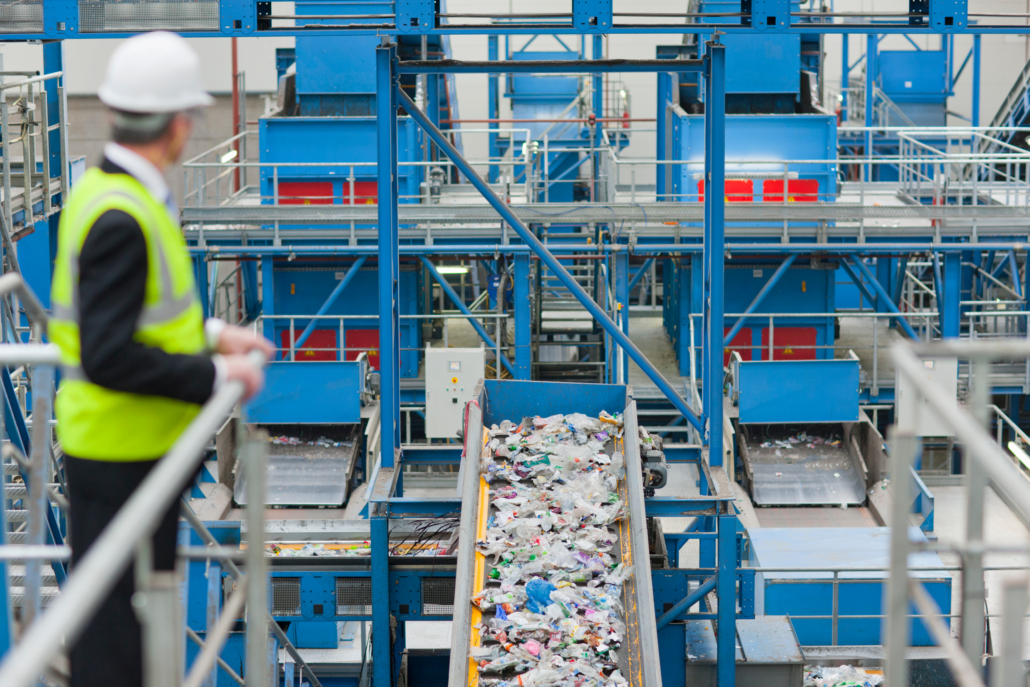
Once the plastic containers are deposited in the yellow container, they are transported to recycling plants where they are sorted. In these facilities, a distinction is made between plastics, metals and bricks, thanks to an automated process that uses advanced technology. The purity of the materials is crucial, as it determines the quality of the recycled plastic that will ultimately be obtained. A good level of separation is essential to ensure that recycled plastics are suitable for the manufacture of new products.
Sorting and separation in specialized plants
The next phase in plastics recycling takes place in sorting plants, where a more detailed process is carried out. These plants are equipped with technology that allows for a precise selection of different types of plastics. This step is key, as plastics have diverse properties and chemical compositions that require specific procedures for processing.
In Spain, Ecoembes manages a network of 97 sorting plants. There, plastic packaging is classified into categories that include PET (polyethylene terephthalate), HDPE (high-density polyethylene), PVC (polyvinyl chloride) and polypropylene (PP), among others. Thanks to this type of sorting, the recycling process is optimized, ensuring that each type of plastic is treated with the most appropriate method to maximize its recovery and reduce pollution in recycling.
Transformation of plastics into recycled raw material
Once the plastic packaging has been sorted and sorted, the next step is its transformation into recycled raw material. The plastics are grouped into bales and sent to approved recyclers, who are entities specialized in the processing of these materials. This process involves various treatment techniques, which usually include washing and crushing.
In the case of PET, commonly used in bottles, it undergoes rigorous washing to remove impurities, followed by a crushing process in which it is converted into small chips. These chips are the ones that will be used to manufacture new packaging or even textile fibers. HDPE, on the other hand, also goes through a similar wash and is transformed into pellets that can be used to produce new products, such as pipes or containers.
In summary, plastic recycling is a complex process that begins with the collection and sorting of packaging and culminates in the transformation of these into recycled raw materials. Each stage is critical to ensure that effective recycling is achieved that contributes to a more sustainable future.
Types of plastics and their specific recycling methods
Recycling plastics is a process that varies significantly depending on the type of material used. Knowing the particularities of each plastic is essential to optimize its recovery and recycling. This section will address the specific recycling methods of the most common plastics, such as PET, HDPE, as well as the challenges associated with PVC and polypropylene.
PET recycling: washing and shredding
Polyethylene terephthalate (PET) is one of the most recycled plastics in the world, mainly used in beverage bottles. The recycling process begins with the collection of PET containers, which are then transported to recycling plants. There, an exhaustive washing and crushing process is carried out.
In the washing phase, the containers are purified to remove contaminants such as labels and content residues. The clean PET is then shredded into small pieces, known as chips or flakes. These flakes are the ones that will be used as raw material for the manufacture of new products, including bottles, textiles, and other packaging.
HDPE Recycling: Processes and Applications
High-density polyethylene (HDPE) is another commonly recycled plastic, prevalent in cleaning products and food packaging. Like PET, the HDPE recycling process includes washing and transformation stages. HDPE containers are sorted and cleaned to remove impurities.
Once cleaned, the HDPE is crushed and turned into pellets. These granules have very diverse applications, allowing the manufacture of new products such as containers, pipes and toys. The versatility of recycled HDPE makes it a highly valued material, thus contributing to the circular economy.
PVC and polypropylene recycling: challenges and solutions
Recycling other types of plastics, such as polyvinyl chloride (PVC) and polypropylene (PP), presents several challenges. Both plastics are less common in the recycling cycle, in part due to the complexity of their composition and the risks associated with their processing.
- Purification requirements: PVC, for example, can release toxic substances during recycling, requiring more careful processes.
- Limitations in mechanical recycling: Polypropylene, although recyclable, is not always accepted in recycling plants due to its low demand on the secondary market.
- Technological innovations: New chemical recycling technologies are being developed to address these limitations, allowing these plastics to break down into their building blocks.
With the development of better methods and technologies, it is possible to increase the recycling rate of these plastics and minimize their environmental impact, contributing to a more sustainable future.
Impact and management of plastics recycling
Recycling plastics has a significant impact on both an environmental and economic level. Proper management of plastic waste not only contributes to the reduction of environmental impact, but also offers opportunities to strengthen the circular economy. Through a comprehensive approach to recycling management, it is possible to maximize the benefits derived from this crucial process.
Environmental and economic benefits of recycling
Plastic recycling is presented as an effective solution to mitigate various environmental problems. First, it helps reduce the amount of waste sent to landfills, which in turn decreases soil and water pollution. By recycling plastics, the generation of new materials from virgin resources is avoided, which translates into lower energy consumption and a reduction in greenhouse gas emissions.
From an economic point of view, plastics recycling not only creates jobs in the waste management and recycling sector, but also promotes innovation in the production of new materials and products. The integration of recycled plastics in the manufacture of products, such as new packaging and textile fibres, boosts the competitiveness of companies by offering more sustainable alternatives to consumers.
Education and public awareness for responsible recycling
Education and awareness are fundamental pillars in the management of plastic recycling. Ecoembes and other organisations work to provide information and resources that help citizens understand the importance of correctly separating waste and contributing to the recycling process. Awareness programs promote sustainable practices in the home, thus encouraging responsible behavior that positively impacts the environment.
The formation of a culture of recycling among the population allows not only to improve the recovery rates of materials, but also to generate a sense of shared responsibility in the fight against plastic pollution. A comprehensive educational approach can lead to greater citizen participation and more effective waste management, benefiting both the environment and the local economy.
Reverter Industries Recycling Plants: Solutions for All Materials
At Reverter Industries we have specialized recycling plants for all types of materials, offering comprehensive solutions that cover the complete waste management cycle. Our facilities are designed to treat metals, paper, cardboard, glass, industrial waste and, of course, all types of plastics.
Our plastic recycling plants are equipped with state-of-the-art technology to process the main polymers: PET, HDPE, PVC, polypropylene and other plastic materials that are difficult to recover. Thanks to our sorting, washing, shredding and granulation processes, we transform plastic waste into high-quality raw material, ready to be reincorporated into the industrial production chain.
At Reverter Industries, we believe that the circular economy starts with the right infrastructure. That is why we are continuously investing in expanding our treatment capacity and developing new recycling lines that meet the needs of the market and the environmental objectives of our customers. If you are looking for a reliable industrial partner for the management and recycling of your plastic waste or other materials, at Reverter Industries we have the solution.