Design, manufacture and assembly of turnkey recycling plants, tailored to each waste stream and focused on efficiency and profitability.

If you’re looking for “the 7 Rs” all in one place, here’s a clear and useful version: rethink, refuse, reduce, reuse, repair, recycle, and recover. I’ll explain how they fit into the EU waste hierarchy, what regulations support them, and how to move from theory to practice.

Before we begin: Why the 7 Rs exist

The 7 Rs are a didactic way to understand the waste hierarchy: prioritizing prevention/reduction, reuse, and recycling over recovery and disposal. This order comes from the Waste Framework Directive (EU), the basis of European waste policy.

The 7 Rs, explained with actionable examples

1) Rethink

Redesign products and services to consume fewer materials and extend their lifespan. This logic aligns with the EU’s priority of prevention. Examples: lighter packaging, modular designs, purchasing based on durability criteria.

2) Refuse

Avoid the unnecessary: single-use merchandising, redundant packaging, or “extras” that end up in the trash. This is prevention at the source, the top of the hierarchy.

3) Reduce

Minimize waste and resource consumption throughout the entire life cycle. Both the EU and the EPA place reduction at the top of the priority list. Examples: responsible purchasing, optimal batch sizes, zero printing, more efficient logistics.

4) Reuse

Give second lives without converting into raw materials: return of packaging, refurbishment, second-hand items. The European hierarchy prioritizes preparing for reuse over recycling.

5) Repair

Fix to extend useful life. In 2024, the EU approved a Goods Repair Directive that promotes the right to repair and access to affordable repairs. Examples: replacing batteries/screens, repairing household appliances, spare parts banks.

6) Recycle

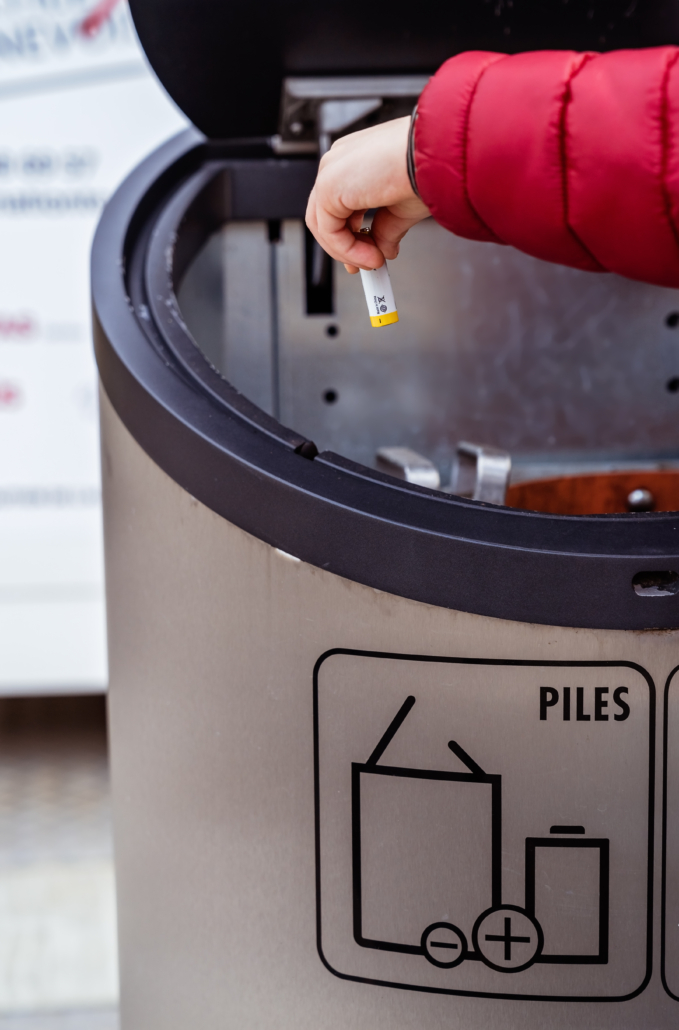
Transform waste into new raw material. Europe is making progress, but there is still room for improvement: in 2022, recycling reached approximately 49% for municipal waste (65% for packaging).

Tip from Reverter Industries: conditioning materials (e.g., wood) with industrial shredders y wood recycling lines improves quality and reduces logistics costs.

7) Recover

When recycling is not feasible, recovering energy or materials (e.g., biogas, energy recovery) is prioritized over disposal. It is above disposal in the waste hierarchy.

How to turn the 7 Rs into a plan (in 6 steps)

  1. Waste map with LER codes and hazard classification; Define where you can prevent and reuse.
  2. Targets per R: % of purchases avoided (rejected), % reduction, number of repairs, % reuse, % recycling, % recovery.
  3. Infrastructure: labeled containers, repair/reconditioning area, pretreatment (shredding/screening).
  4. Contracts and traceability with authorized waste management companies; report according to hierarchy.
  5. Training and communication: “what works/what doesn’t” guide, repair and return policy.
  6. Quarterly KPIs: share results (savings, % recycled) and adjust routes/services.

Data and context (to convince management)

The EEA confirms improvements but insists on higher quality recycling and boosting demand for recycled material; UNEP reinforces the 3R approach as the basis for safer waste management systems. The EPA places reduction, reuse, and recycling at the top of its waste management hierarchy (SMM).

Conclusion

The 7 Rs provide a simple framework for better decision-making: rethink and reject the unnecessary, reduce at the source, reuse and repair before buying again, recycle what can be recovered, and recover what can no longer be recycled. With the right metrics and partners, you can turn the slogan into real results.

Want a 7 R plan tailored to your operation (checklist, KPIs, signage and process improvement)? → Let’s talk | See shredding solution

Official links within the text (for further information)

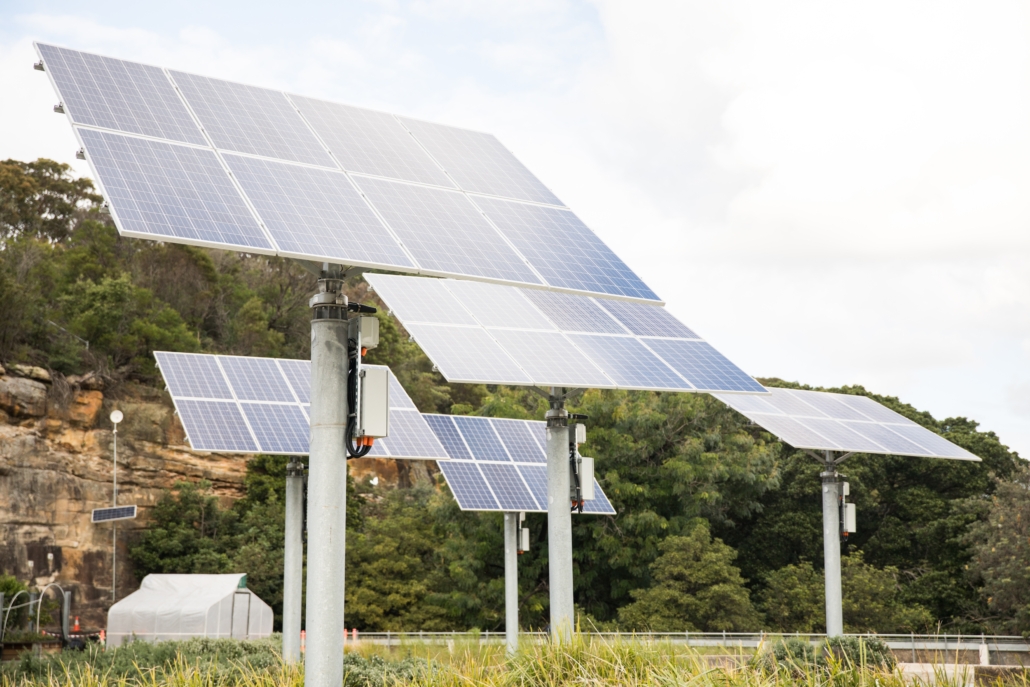
When we search for ‘is biomass renewable or non-renewable’, the short answer is: yes, but it depends. It depends on the origin of the resource, its sustainability and how it is managed over time. Here I explain it clearly, with official EU criteria and examples to help you act with confidence.

Biomass, bioenergy and the key distinction

  • Biomass: organic matter of plant or animal origin (and by-products of its transformation).
  • Bioenergy: renewable energy obtained by converting that biomass into heat, electricity or fuels (biogas/biomethane, biofuels).

So… is biomass renewable or non-renewable?

The European Union considers biomass to be a renewable source provided that it meets the sustainability and emission savings criteria set out in the Renewable Energy Directive (RED II/RED III). Since 2018/2023, these criteria apply to solid and gaseous biomass for heat/electricity and to biofuels for transport (forestry, agricultural, waste and GHG savings sustainability).

The IPCC points out that the climate contribution of bioenergy depends on the carbon cycle, land use, resource regeneration time and the replacement of fossil fuels. In short: not all biomass is automatically “neutral”; management matters.

Official summary of the Renewable Energy Directive and its 2030 targets. Energy

Criteria that make the difference (and turn ‘it depends’ into ‘yes’)

  • Sustainable origin
    • Forest/agro-industrial residues, by-products, pruning and bio-residues → better renewable fit.
    • Unsustainable logging or use that competes with carbon sinks → may not be acceptable under RED.
  • Verifiable emissions savings
    • GHG thresholds compared to fossil fuel equivalent (applies to solids, gases and biofuels).
  • Chain of custody/certification
    • Voluntary schemes recognised by the European Commission to certify sustainability.
  • Technology and operation
    • Efficient boilers and filters, stable fuels (size, moisture) and local emissions control (IDAE).

Quick examples: when yes and when no?

  • Yes, renewable
    • Municipal pruning chips, forestry cleaning residues and sustainably managed wood by-products → thermal energy/CHP.
    • Biowaste and sludge → biogas/biomethane with accredited GHG savings.
  • Caution
    • Forest biomass that does not meet sustainability criteria or degrades sinks → may not count as renewable according to RED.

Context in Europe: useful data

Renewables continue to grow in the EU (target ≥42.5% in 2030), and bioenergy continues to play a key role, especially in heating and thermal processes.

How to get started with biomass, right the first time (practical plan)

  1. Resource map: what do you have nearby? (pruning, wood waste, organic waste, sludge).
  2. Pre-treatment: shredding/screening and moisture control → stable fuel (pellets/chips).
  3. Technology: thermal/CHP or anaerobic digestion depending on flow.
  4. Sustainability and GHG: verify that you comply with RED II/RED III and certify the chain.
  5. Local emissions: equipment and operation in accordance with IDAE guidelines.
  6. KPIs: CO₂e savings, cost €/MWh, % of waste recovered.

Would you like a preliminary assessment (resources, technology, CAPEX/OPEX and RED compliance)? → Let’s talk.

Recommended reading

  • European Commission — Renewable Energy Directive (RED) (text and frequently asked questions). Energy

  • IEA — Bioenergy (sector monitoring and explainers). IEA

  • IPCC — Climate Change and Land (bioenergy and land use). ipcc.ch

  • Eurostat — Renewable energy statistics (series and fact sheets 2023–2024). European Commission

  • IDAE — Biomass (Spain) (definitions, technical guides). idae.es

Conclusion

The question ‘is biomass renewable or non-renewable’ can be answered rigorously as follows: it is renewable when it meets sustainability and emission savings criteria. With a good source of the resource, certification and appropriate technology, bioenergy reduces CO₂ and recovers waste. The challenge lies in designing the project well and measuring it.

Would you like to evaluate biomass for your operation (resource, technology and RED compliance)? → Talk to our team.

If you hear ‘waste recovery’ and it sounds like bureaucracy to you, here’s a simple explanation: it’s turning waste into resources (materials, energy or products). Here’s what it is, the different types, the legal framework, examples and a simple plan to get started.

Definition of waste recovery

In the EU, recovery is any operation whose main result is that the waste serves a useful purpose by replacing other materials or preparing it for use as raw material or energy. The Waste Framework Directive establishes this definition and the hierarchy: prevent → reuse → recycle → recover → dispose. In Spain, Law 7/2022 includes and develops these definitions and list of operations (Annex II). BOE

Types of recovery (with practical examples)

  • Material recovery (recycling, preparation for reuse): cardboard → recycled paper; scrap metal → steel; glass → new glass; biowaste → quality compost/digestate.

  • Energy recovery: non-recyclable fractions → biogas/biomethane (anaerobic digestion) or energy (when recycling is not feasible). IDAE and EEA guidelines highlight its role, always behind recycling in the hierarchy.

Recommendation: conditioning the stream (size, moisture, unsuitable items) with industrial shredders and wood recycling lines reduces costs and improves quality.

Why you should value (data and context)

  • Less landfill, more value: the EU is reducing landfill and increasing treatment alternatives. In 2023, municipal recycling stood at around 48%, while landfill continues to decline. European Commission

  • Climate and circular economy: recovery and recycling avoids the extraction of raw materials and cuts emissions associated with their processing (EEA, 2024). eea.europa.eu

The essential legal framework (EU and Spain)

  • EU – Waste Framework Directive: concepts, definitions (waste, recycling, recovery), hierarchy and principles. Environment

  • Official EU glossary – Waste hierarchy: legal priority for prevention and recovery over disposal. eur-lex.europa.eu

  • Spain – Law 7/2022 (BOE): recovery and disposal operations (Annexes), obligations and state planning. BOE

  • MITECO – Waste Prevention and Management: portal with regulations, transfers and coordination. miteco.gob.es

How to apply valuation in your company (6-step express plan)

  1. Waste map + LER: identifies waste streams, quantities and hazards; defines what can be recycled and what can be recovered (material/energy).
  2. Segregation at source: marked containers and training (avoids mixing hazardous and non-hazardous waste).
  3. Smart pre-treatment: shredding/screening/demetalisation to standardise particle size and reduce unsuitable materials (key for recycling and biogas).
  4. Destination and contracts: prioritise recycling and preparation for reuse; for non-recyclable materials, consider AD/biogas or energy recovery with authorised waste managers. 
  5. Traceability and KPIs: % recycled, % recovered, % to disposal, €/t and unsuitable items; compare them with EEA/Eurostat indicators.
  6. Continuous improvement: renegotiate with data, adjust routes and reinforce training.

Typical cases of recovery (sector by sector)

  • Municipal: biowaste → compost/digestate (if quality standards are met); non-recyclable waste → energy recovery.
  • Industrial: post-consumer wood → board/biomass; post-industrial plastics → recycled pellets; organic sludge → biogas.
  • Retail/logistics: cardboard and film → recycling; mixed waste → separation + recovery when there is no alternative.

Conclusion

Waste recovery is not an end in itself: it is part of a strategy that prioritises prevention and recycling, and only uses energy when there is no material alternative. With segregation, pre-treatment and clear contracts, you can turn waste costs into measurable value… and comply with regulations.

Would you like us to assess your recovery route (material/energy)? → Let’s talk | See shredding solutions

If you want to understand and implement waste management in your organization, here are the essentials: what it means, how the waste hierarchy works, current data in the EU, and a practical plan to get started today.

What is waste management?

Waste management encompasses collection, transport, treatment, recovery, and disposal, following the hierarchy: prevent → reuse → recycle → recover → dispose. This approach comes from the EU Waste Framework Directive and its official glossary; in Spain, MITECO develops prevention and management at the state level.

Why it matters (and what’s happening in the EU)

Official statistics show the challenge and progress: in 2022, 5.0 tons of waste per capita were generated in the EU; 40.8% was recycled and 30.2% ended up in landfill. In 2023, municipal waste fell for the second year, reaching 511 kg/person.

Recycling indicators by stream (municipal, packaging, WEEE) at the European Environment Agency. European Environment Agency

The management hierarchy: your operational compass

  1. Prevention (reducing at source: purchasing, design, processes).
  2. Preparation for reuse (repair, reconditioning).
  3. Recycling (material value).
  4. Recovery (e.g., energy or biogas when not recyclable).
  5. Disposal (landfill/incineration without recovery) as a last resort. The EPA and the EU agree on prioritizing the first three stages.

How to apply it in your company (6-step plan)

  1. Waste map + EWC codes: identify waste streams and hazards using the European Waste Catalogue and technical guidelines.
  2. Segregation at source: separate containers and signage; form teams on a recurring basis (avoid mixing hazardous/non-hazardous waste).
  3. Infrastructure and pre-treatment: shredding/screening to standardize size and improve recyclability. If you work with wood, check out our shredding solutions and wood recycling plants.
  4. Contracts and traceability: authorized managers, weighings, documents, and reporting aligned with the hierarchy. In Spain, MITECO centralizes procedures and internal/international transfers.
  5. Minimum KPIs: % prevention, % reuse, % recycling, % recovery, % disposal; cost €/t and incidents.
  6. Continuous improvement: container audits, route reviews, and renegotiation with data (EEA/Eurostat serve as a reference for comparing trends). European Environment Agency

Typical cases (and key decisions)

  • Municipal/urban services: biowaste, packaging, paper/cardboard, glass, bulky items.
  • Industrial/commercial: wood, cardboard, and plastic packaging; oils/solvents (hazardous) with specific treatment.
  • Construction and demolition: inert materials (concrete/brick) for recycling as aggregate; separate metals, wood, and hazardous fractions.
  • Always apply LER and applicable regulations for each flow.

Legal framework and official resources (essential)

  • European Commission — Waste Framework Directive (summary and principles). Environment
  • EUR-Lex — Directive 2008/98/EC (consolidated text). EUR-Lex
  • MITECO (Spain) — Waste Prevention and Management + Shipments. MITECO
  • Eurostat — Waste statistics (generation and treatment by country/material). European Commission
  • EEA — Recycling indicators in Europe. European Environment Agency
  • EPA (USA) – Waste management hierarchy / SMM. EPA

Conclusion

Waste management is not just about compliance: it is about saving costs, reducing risks and moving towards a circular economy. With proper sorting (LER), segregation at source, effective pre-treatment and traceability, your organisation improves its indicators and reputation… and the planet notices.

Would you like a management plan with a checklist, signage and KPIs for your case? → Let’s talk | See crushing solutions

If you want to understand organic waste (biowaste) in a clear and actionable way, here are the essentials: what it includes, why it is important to separate it, how to treat it (composting and biogas) and what regulations you must comply with.

What is organic waste?

In Spain, domestic biowaste is biodegradable organic waste of plant and/or animal origin generated in households and businesses (similar to domestic waste). It includes food scraps and garden waste, among other things.

Mandatory separation in the EU: what the law says

Separate collection of bio-waste has been mandatory in the EU since 31 December 2023, or recycling at source (domestic/community composting). The European Commission includes this in its separate collection guide and emphasises that bio-waste must be sent for biological recycling (e.g. composting or digestion). European Commission

Furthermore, the European circular economy platform and sectoral documents emphasise that composting and anaerobic digestion are considered recycling when the compost or digestate is used as a recycled product (fertiliser/manure). circulareconomy.europa.eu

Context and data in Europe

  • Weight in recycling: in 2023, the EU recycled (material + composting) 48% of municipal waste; separating organic waste helps to increase this rate. European Commission
  • Specific use of organic waste: European estimates place recycled organic waste (composting + digestion) at around 17% of total municipal waste, with considerable room for improvement if it is properly separated at source. compostnetwork.info

Types and examples of organic waste

  • Kitchen and dining room: fruit and vegetable scraps, bread, coffee grounds, eggshells; avoid plastics or metals.
  • Garden and pruning: leaves, grass, small branches (preferably shredded).
  • Shops/hotels: food preparation scraps and leftovers (similar to household waste).
  • Sludge and wet bio-waste: depending on flow and local regulations, these can be sent for anaerobic digestion. (Always check your local or regional guidelines).

How are they treated? Composting and biogas (biomethane)

  • Composting: converts organic matter into compost that improves soil and closes the carbon cycle. It is recycling when the compost meets usage criteria. circulareconomy.europa.eu
  • Anaerobic digestion (biogas/biomethane): enables the generation of energy and fertilisers (digestate). In Spain, the IDAE publishes technical resources and guides to promote biogas/biomethane projects and their proper territorial integration. idae.es

Tip from Reverter Industries: if you work with prunings or plant waste, prepare the material using industrial shredders and wood recycling lines to obtain a consistent size and moisture content before treatment.

How to implement separate waste collection (in your local authority or company)

  1. Service design: adapts organic waste collection to the urban context (types, composition, frequencies) and integrates the system with the rest of the fractions; it is not ‘just another bin’, it is a reoptimisation of the entire service.
  2. Containers and signage: brown bins, clear signage and ‘yes/no’ pictograms.
  3. Pre-treatment: shredding/screening to improve homogeneity (in prunings and green fractions).
  4. Destination: prioritises composting or anaerobic digestion depending on the flow (drier ↔ wetter).
  5. Traceability and KPIs: measure uptake, inappropriate waste and cost per tonne; compare with Eurostat to set improvement targets.

Common mistakes (and how to avoid them)

  • Inappropriate items (plastic, glass) in organic waste → solve with training and container design (opening and lock).
  • Lack of treatment capacity → agree with composting/biogas plants and plan contracts.
  • ‘Additive’ collection → re-optimise frequencies for other fractions when organic waste is introduced, as recommended by MITECO. miteco.gob.es

Brief FAQs

  • Organic waste = biowaste?
    Yes, in municipal management, we often talk about biowaste: biodegradable organic waste of plant/animal origin similar to household waste. miteco.gob.es
  • Is separate collection mandatory?
    Yes, in the EU since 31/12/2023, or recycling at source (compost). European Commission
  • Composting or biogas, which is better?
    It depends on the flow: dry/structured fractions are well suited to composting; wet fractions and sludge are usually better suited to digestion. Both count as recycling if the end product is used. circulareconomy.europa.eu

Conclusion

Organic waste is an opportunity: when properly separated, it can be transformed into compost and renewable energy. Regulations are pushing in this direction, and data shows that there is room for improvement. With service design, pre-treatment and KPI measurement, your city or company can reduce residual waste and gain value.

Would you like us to assess your organic waste collection and pre-treatment (shredding/screening) for composting or biogas? → Let’s talk | See shredding solutions

If you want to understand types of waste ‘clearly and actionably,’ here are the essentials: official definitions, classifications (hazardous/non-hazardous, ECL, materials), everyday examples, and the waste management hierarchy to help you make better decisions.


What is waste? (according to regulations)

For the European Union, waste is any substance or object that the holder discards or intends or is required to discard. The Waste Framework Directive also establishes the concepts of prevention, reuse, recycling and recovery, and sets out the waste management hierarchy (prioritising prevention and recycling over disposal).


“First prevent, then reuse and recycle; landfill is the last resort.”


Large families: dangerous and non-dangerous

  • Non-hazardous waste: cardboard, clean plastics, ferrous scrap metal, classified inert construction waste, urban bio-waste.
  • Hazardous waste: waste listed as such or waste with hazardous characteristics (flammability, corrosiveness, reactivity or toxicity). Examples: solvents, paints, used oils, certain types of sludge or contaminated packaging.


Helpful tip: if in doubt, check the European waste code (EWC) and the material safety data sheet.

LER: the “registration number” for each type of waste

The European Waste List (EWL) assigns each type of waste a 6-digit code and organises it into chapters (origin/flow) and subchapters. This technical guide from MITECO explains how to classify waste correctly and when waste is considered hazardous due to its composition or by ‘mirroring’. miteco.gob.es

Quick example:

  • 15 01 01 → paper and cardboard packaging (non-hazardous).
  • 08 01 11* → paint and varnish waste containing organic solvents (hazardous).
    (The asterisk indicates hazardous waste in the LER.) miteco.gob.es


Other classification approaches (material, flow, and sector)

  • By material (statistics and targets): metal, plastic, paper/cardboard, glass, wood, bio-waste, WEEE, packaging, etc. Useful for recycling rates and reporting.
  • By stream/sector: municipal, construction and demolition, hazardous, packaging, WEEE; the European Commission publishes implementation reports for each priority stream.

Clear examples by context

  • Household/municipal: biowaste (food scraps), packaging (plastic/metal), paper/cardboard, glass, textiles, bulky items.
  • Industry and commerce: pallets/wood, plastic packaging, scrap metal, non-hazardous sludge; and hazardous items such as solvents, oils, contaminated packaging.
  • Construction and demolition: concrete, brick, ceramics (recyclable aggregates), metals, wood; and specific hazardous materials (paints, sealants). (Always sort according to EWC and local regulations).

Management hierarchy (your operational compass)

  1. Prevention (design, responsible purchasing, extending useful life).
  2. Preparation for reuse.
  3. Recycling (material).
  4. Recovery (including energy recovery) when not recyclable.
  5. Disposal (landfill), only as a last resort.

Quick facts about the EU (to provide context)

Eurostat’s official statistics enable comparisons to be made between generation and treatment by material and by country; this is key to setting targets and identifying trends (e.g. packaging).

How to put it into practice (company/local council)

  • Correct classification (LER + hazardousness) and labelled containers.
  • Traceability: contracts with authorised waste managers, records and weighings.
  • Measurement: basic KPIs (tonnes per flow, % recycled/recovered, costs).
  • Regular training and container audits.
  • Operational integration: pre-treatment (shredding, screening) to improve recyclability.

Links we recommend


Recommended sources

  • European Commission — Implementation of the WFD (priority streams: municipal, C&D, hazardous, WEEE, packaging). Environment
  • MITECO — Municipal management models (how collections are organised). miteco.gob.es
  • Eurostat — Waste statistics (series and glossary). European Commission

FAQs

  1. What is the difference between hazardous and non-hazardous? Hazardousness is determined by listing or characteristics (flammability, corrosiveness, reactivity, toxicity). It requires specific labelling and treatment.
  2. How do I find the correct code (LER)? With the MITECO Technical Guide and the European Waste List (6-digit code per flow/material).
  3. What is the priority when managing waste? Follow the hierarchy: prevent, reuse, recycle and recover; dispose of only when there is no alternative.

Conclusion

Knowing the types of waste (and their EWC code) is not a formality: it is the basis for saving costs, avoiding penalties and improving circularity. If you sort properly, separate at source and measure your KPIs, the rest will follow: better contracts, more recycling and fewer problems.

Would you like us to review your cash flows and put together an improvement plan? → Let’s talk.

New construction, renovation, or demolition? In three paragraphs, I will explain what construction waste management entails, the regulations that apply, and how to organize yourself to comply without headaches.

What is CDW (construction and demolition waste)?

CDW is waste generated during construction, renovation, or demolition: concrete, brick, ceramics, wood, metals, plaster, soil, and rubble, among others. In Spain, its definition and management are regulated by Royal Decree 105/2008 and fall under Law 7/2022 and the EU Waste Framework Directive. Ministry of Ecological Transition

Sort properly from day one and you will save time and money.

Regulations: the essentials (Spain + EU)

  • Spain – RD 105/2008 (CDW): defines who is the producer and owner of the waste, requires a study and management plan, and sets obligations for the construction site and waste manager. Ministry of Transport
  • Law 7/2022: incorporates the circular economy, new traceability and taxation obligations (e.g., landfill/incineration tax), also applicable to CDW. BOE
  • European Union: Directive 2008/98/EC and EU CDW Protocol (updated 2024) with guidelines for pre-demolition/renovation audits and confidence in recycled materials. Publications Office of the EU

Complying with the law is easier if you design the management plan before starting the project.

Practical process on site (simple and effective)

  1. Before starting: include the CDW Management Study/Plan (expected flows, recovery, destination) in the project. Ministry of Transport

  2. Segregation at source: separate containers (aggregates, metals, wood, plaster, mixtures), visible signage, and training for staff. Publications Office of the EU

  3. Storage and safety: designated areas, dust/leachate control, photographic record and tracking sheets. BOE

  4. Transport and authorized manager: contracts, weighing and transfer documentation; adjust frequencies to actual data, not emergencies. BOE

  5. Priority recovery: apply the hierarchy prevent → reuse → recycle → recover → dispose (landfill only if there is no alternative). Environment

Common types of construction waste (and how to treat them)

  • Soil and rubble: prioritize reuse on site or as recycled aggregate when it meets criteria.
  • Concrete, brick, and ceramics: suitable for recycling as aggregate after crushing and screening.
  • Metals (steel, aluminum, copper): high recovery value; segregate cleanly.
  • Wood and plaster: separate for recycling; avoid contamination with paint/plaster in mixtures.
  • Occasional hazardous waste (paints, solvents, asbestos*): specific management with an authorized manager and safety protocols. (Asbestos requires regulations and specialized companies).

Pre-demolition or renovation audit (your secret weapon)

The EU recommends conducting preliminary audits to identify reusable materials, hazards, and recovery routes before dismantling. This improves recycling rates and reduces cost surprises. Publications Office of the EU

Conclusion

Construction waste management is not just a “paper exercise”: it is planning + segregation + traceability to comply with regulations and save costs. If you plan ahead, position containers correctly, train your team, and work with authorized waste managers, performance improves and environmental impact decreases.

If you deal with industrial waste, in 2 minutes you’ll see what it is, types and examples, how to organise collection, and how to run compliant, effective management.

What industrial waste is?

It’s the waste generated during manufacturing, maintenance, cleaning or consumption in industrial operations. It can be solid, liquid or gaseous, hazardous or non-hazardous, and its management is defined by the EU Waste Framework Directive and its 2018 update. Environment+1

Types of industrial waste

  • Non-hazardous: cardboard, plastics, wood, scrap metal, non-hazardous sludges.
  • Hazardous: solvents, paints, used oils, acids/bases, contaminated containers. They require GHS labelling, approved containers and dedicated storage areas.

Industrial waste – quick examples:

  • Carpentry: sawdust (non-hazardous) + varnish cans (hazardous).

  • Workshop: oils and filters (hazardous) + clean packaging (non-hazardous).

  • Food industry: plastic film (non-hazardous) + CIP soda/acids (hazardous).

EU fact: in 2022 the EU generated 2,233 million tonnes of waste (all activities and households), pushing circular-economy goals. European Commission

Practical process: from factory to licensed operator (smart steps, not red tape)

  1. Identification and classification (EWC code + hazard class)
    Match each stream to its European Waste Catalogue (EWC) code and hazard class. Use safety data sheets and clear signage.

  2. Segregation at source
    Separate containers, clear posters and periodic team training.

  3. Safe storage
    Visible labels, bunds for liquids, ventilated areas, PPE and emergency procedures. Portal INSST

  4. Industrial waste collection with full traceability: Authorised carriers/handlers, contracts and accessible records. Schedule pickups based on data (actual volumes), not last-minute rushes. Ministerio de Transición Ecológica+1

  5. Treatment and recovery: Follow the hierarchy: prevent → prepare for reuse → recycle → recover → dispose (last resort). Environment

Legal framework and official resources

  • EU – Directive 2008/98/EC (consolidated) and amendment (EU) 2018/851. EUR-Lex+1
  • European Commission – Waste Framework page (definitions, hierarchy, principles). Environment
  • Spain – MITECO: prevention and waste management portal and hierarchy. Ministerio de Transición Ecológica+1
  • INSST (Spain): labelling/storage of hazardous products (useful for hazardous waste). Portal INSST
  • US EPA: Guide for Industrial Waste Management (practical ideas and minimisation). US EPA+1

Conclusion

Managing industrial waste isn’t about ticking boxes: it’s about cutting costs, reducing risk and improving performance. With strict classification, real segregation, safe storage and traceable collection, you’ll meet the legal hierarchy and move closer to a circular operation.

urban waste treatment plants


Urban waste treatment plants are essential in solid waste management. Its main function is to classify and process waste to minimize its environmental impact and encourage recycling. Through advanced technologies, these facilities contribute to the circular economy. In addition, they ensure a better quality of life and public health by reducing pollution and promoting sustainable practices.

Importance of Urban Waste Treatment Plants

Urban waste treatment plants occupy a fundamental place in the effective management of the waste generated by our society. They have a direct impact on the environment and public health, as well as an important role in the local economy and sustainability.

Role in Urban Solid Waste Management

These facilities are essential to handling the growing amount of waste we produce. They are in charge of classification, separation and recovery, ensuring that recyclable materials are used properly. This process not only optimizes resources, but also decreases pressure on landfills.

  • Facilitation of separation at source, promoting more efficient management.
  • Reduction of pollution generated by poorly managed waste.
  • Optimisation of collection logistics through correct planning.

Contribution to the Environment

The environmental impact of these plants is multiple. They help reduce the volume of waste that ends up in landfills. Thus, greenhouse gas emissions and the use of natural resources are minimized. This conversion of waste into recyclable resources plays a crucial role in the conservation of our planet.

  • Reduced impact on air and water quality.
  • Protection and conservation of biodiversity.
  • Promoting a more sustainable circular economy through the reuse of materials.

Public Health Benefits

Proper waste management also has positive effects on public health. By reducing waste that decomposes in landfills, the risk of pest-related diseases and contamination is minimized. This translates into a healthier environment for the population.

  • Reduction of outbreaks of infections and diseases.
  • Improvement of the quality of life in nearby communities.
  • Generation of a more attractive and cleaner environment.

Types of Waste Treatment Plants

Within the field of waste management, there are various infrastructures that perform specific functions in waste management. Treatment plants are classified into types that are adapted to the characteristics of the treated materials and the objectives of their processing.

Separation and Sorting Plants

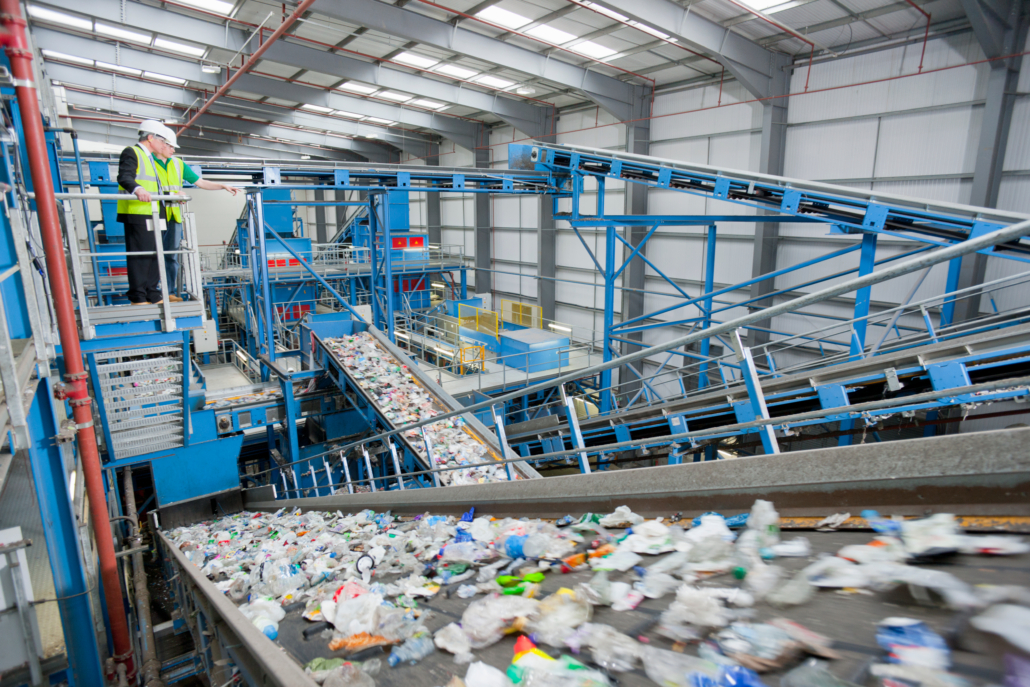
These facilities are responsible for the segregation of waste into different fractions to facilitate its subsequent treatment. Here, advanced technologies are used to differentiate between recyclable and non-recyclable materials. The effectiveness of this type of plant lies in its ability to optimise the use of resources and minimise the volume of waste to be disposed of in landfills.

  • **Separation Process:** Uses automated systems including optical and magnetic technologies to improve sorting accuracy.
  • **Main objective:** To supply recycling chains with high quality recovered raw materials.

Recovery and Recycling Plants

The focus of these plants is on turning waste into useful raw materials. This process involves recycling various materials, such as plastics, metals, and paper, contributing to the circular economy. During the recovery stages, organic waste can be transformed into compost or biogas, which enhances its reuse.

  • **Recycling of materials:** Processes that allow waste to be transformed into new products, reducing the demand for virgin resources.
  • **Contribution to sustainability:** Reduces environmental impact by reducing the amount of waste that reaches landfills and encouraging the use of renewable resources.

Energy Recovery Plants

These facilities deal with the conversion of non-recyclable waste into energy. Through processes such as controlled incineration, electricity or usable heat is generated, converting what would be waste into an energy resource. This type of plant plays a fundamental role in waste management, especially those that cannot be recycled.

  • **Waste transformation:** It allows waste to be used efficiently, contributing to the reduction of dependence on fossil fuels.
  • **Controlled emissions:** They implement technologies that minimize harmful emissions, ensuring a balance between energy generation and environmental protection.

Processes in Waste Treatment Plants

Waste treatment plants employ a variety of processes to manage waste efficiently and sustainably. These procedures ensure that materials are properly separated, processed, and valorized, contributing to better environmental management.

Separation of Recyclable Materials

Proper separation of recyclable materials is critical to maximizing recycling. This process involves the use of advanced technologies that facilitate the sorting of waste into specific fractions. Methods used include:

  • Manual sorting: Operators manually check and separate waste.
  • Optical systems: Sensors that detect and classify different materials based on their composition.
  • Magnets: Used to extract ferrous metals.

This care in segregation helps ensure that only recyclable materials are sent for further processing, reducing the volume of waste that reaches landfills.

Organic Waste Treatment

Organic waste, which constitutes a large part of municipal solid waste, is treated using specific technologies. This treatment seeks to decompose organic matter and transform it into useful resources. The main ways to manage this waste include:

  • Composting: A process where waste is broken down aerobically to create natural compost.
  • Anaerobic digestion: Organic matter decomposes in the absence of oxygen, producing biogas and fertilizers.

The efficient treatment of organic waste not only reduces the volume sent to landfills, but also generates products that can be reincorporated into agriculture.

Biogas Generation

The production of biogas from organic waste is an ecological solution that transforms waste into energy. This process takes place in anaerobic digesters, where microorganisms break down organic matter. The benefits are multiple:

  • Reduction of greenhouse gas emissions.
  • Renewable energy generation.
  • Production of organic fertilizers that can be used in agriculture.

The implementation of this technology makes it possible to take advantage of waste that could otherwise contribute to environmental pollution.

Energy Recovery from Waste

Energy recovery is a process that transforms non-recyclable waste into usable energy. Through incineration or gasification, waste is converted into electricity and heat. This method offers multiple advantages, such as:

  • Significant reduction in the volume of waste.
  • Generation of energy that can be integrated into the electricity grid.
  • Decreased dependence on fossil fuels.

This approach represents an effective way of managing waste and contributes to a more sustainable and diversified energy system.

Economic Impact of Waste Treatment Plants

The economic impact of waste treatment plants is significant and multifaceted. These facilities not only contribute to sustainability, but generate tangible economic benefits for local communities and the country as a whole.

Circular Economy and New Resources

The implementation of waste treatment plants promotes the circular economy, a model that seeks to close the life cycle of products through the reuse, recycling and recovery of materials. This approach not only reduces reliance on virgin resources, but also creates new resources from waste. Some of the benefits derived from this circular economy are:

  • Cost reduction in the production of new materials.
  • Reduction of waste sent to landfills.
  • Recovery of valuable materials, such as metals, plastics and paper, which can be reused in society.

In this way, treatment plants serve as engines of innovation and sustainability, transforming waste into economic opportunities.

Job Creation

Waste treatment plants are not only critical to the environment, but also create jobs in various areas. The construction and operation of these facilities require a multitude of workers, which contributes to local economic development. Some of the types of employment generated include:

  • Machinery operators and specialized technicians.
  • Administrative and management staff.
  • Researchers and technicians in recycling technology and waste treatment.

Increased employment in this sector improves the local economy and promotes professional development in areas related to sustainability and resource management.

Sustainable Business Models

Developing sustainable business models around waste treatment plants is crucial to their long-term viability. These models must be integrated into the regional economic strategy, generating income through:

  • Sale of recycled materials to industries that need them.
  • Production of energy from waste, such as biogas or derived fuels.
  • Development of waste management consulting services for other municipalities.

These approaches not only provide a sound economic basis, but also contribute to the ability of plants to positively influence waste management at the national level.

Technologies Implemented in Waste Treatment

Technological innovations have transformed the way waste is managed. The treatment plants have integrated various tools and processes that optimize the classification, processing and recovery of materials, thus achieving a lower environmental impact and greater operational efficiency.

Automation and Optical Sorting

Automation has revolutionized treatment plants, where optical sorting has become a fundamental element. This system uses advanced technologies to recognize different types of materials using optical sensors and cameras. These systems are capable of identifying colors, shapes, and textures, facilitating the accurate separation of recyclable waste.

  • Reduction of human error in classification.
  • Increased speed in the separation process.
  • Improvement in the quality of the recyclable materials obtained.

This kind of automation also translates into lower operating costs in the long term, as it allows a significant reduction in the need for manual labor, thus increasing the competitiveness of treatment plants.

Anaerobic Digestion

This process has established itself as an effective solution for transforming organic waste into renewable energy. Anaerobic digestion uses microorganisms that break down organic matter in the absence of oxygen, generating biogas that can be used to produce electricity or heat.

  • Contribution to sustainability by generating energy from renewable sources.
  • Production of organic fertilizers as a by-product of the process.
  • Reducing the amount of waste that ends up in landfills.

This approach not only contributes to the circular economy, but also helps mitigate greenhouse gas emissions, representing a significant step forward in the fight against climate change.

Innovation in Paper and Cardboard Recycling

The technologies implemented in the paper and cardboard recycling industry have significantly improved the efficiency of the process. From initial harvesting to processing, modern machines can recover a higher percentage of fibers, optimizing the use of resources.

  • Use of high-capacity presses that compact materials for more efficient transport.
  • Disintegration systems that prepare the fibers for reconstitution into new products.
  • Implementation of technologies that minimize pollution in the recycling process.

These improvements have not only enabled more effective recycling, but have also reduced the environmental impact associated with the production of virgin paper, which is crucial in the pursuit of a more sustainable future.

Challenges in Waste Management

Waste management presents multiple challenges that must be faced to achieve effective sustainability. Among these challenges are the search for solutions to reduce emissions and optimize the use of resources.

Greenhouse Gas Emissions Reduction

One of the main challenges in waste management is the reduction of greenhouse gas (GHG) emissions. The decomposition of organic waste in landfills produces methane, a gas that contributes significantly to climate change.

To address this challenge, it is critical to implement:

  • The improvement of waste treatment technologies that minimise the generation of these gases.
  • The promotion of alternatives such as anaerobic digestion, which allows the biogas generated to be captured and used.
  • The development of monitoring and emission control systems in treatment plants.

Minimization of Waste in Landfills

Landfill saturation has become a critical problem. Reducing the amount of waste that ends up in these places is a priority objective. To do this, it is necessary to propose strategies that include:

  • Encouraging the recycling and reuse of materials, ensuring that resources are kept in circulation for as long as possible.
  • The implementation of awareness programs aimed at the population to promote the reduction in the generation of waste at its source.
  • The development of adequate infrastructure for the treatment and recovery of materials, which reduces dependence on landfills.

Promotion of Selective Collection

Proper solid waste management is also related to the effectiveness of selective collection. This system faces significant challenges, as its success depends largely on citizen collaboration and the available infrastructure. Strategies to improve this include:

  • Educate and sensitize the population about the importance of segregating waste at home.
  • Implement accessible recycling points in communities, facilitating the delivery of recyclable materials.
  • Integrate technologies that optimize waste collection and transportation, improving separation and recycling rates.

Are you looking for advanced solutions for the treatment of municipal solid waste? At Reverter Industries, we design and install urban waste recycling plants adapted to each need, with cutting-edge technology to maximize the recovery of materials and minimize environmental impact.

Despite decades of awareness campaigns, only 9% of the plastic produced in the world is recycled. The rest ends up in landfills, is incinerated or, even worse, ends up polluting our rivers, seas and soils. With more than 430 million tonnes of plastic produced annually, according to UNEP data, the scale of the problem is undeniable.

In this article we analyse the causes of this low recycling rate, the necessary solutions and the role of plastics recycling machinery and recycling plants as a fundamental part of the transformation towards a real and sustainable circular economy.

The reasons behind the low recycling rate of plastics

1. Poorly recyclable designs

Many plastic packaging and products are made from multiple layers or mixtures of materials (such as PET with aluminum or paper), making them difficult to separate and recycle efficiently.

2. Poor classification at source

Proper waste separation in homes, industries and businesses is crucial. However, the lack of environmental education and proper collection systems reduces the quality of plastic waste that reaches recycling plants.

3. Technological insufficiency

Many facilities do not have the right technology to process all types of plastics. This translates into a significant loss of recyclable materials that end up as unrecovered waste.

4. Lack of economic and regulatory incentives

The low price of virgin plastic, compared to recycled plastic, discourages its use. In addition, the lack of regulations that require the incorporation of recycled content in new products slows down the development of the recycling market.

Keys to increasing the plastic recycling rate

Product Redesign

Eco-design is essential: products and packaging must be created with reusability and recyclability in mind. This includes the use of pure polymers and the removal of difficult-to-separate mixed materials.

Selective collection and separation at source

Improving the selective collection infrastructure and raising awareness among citizens about their role in the process is vital to raise the quality of the materials that reach the plants.

Investment in plastics recycling machinery

The incorporation of advanced technological equipment makes it possible to increase the recovery rate and purity of recycled plastic. Among the most prominent are:

  • Primary and secondary shredders
  • Ballistic, optical and magnetic separators
  • Robotic picking with artificial intelligence
  • Automatic presses
  • High-efficiency conveyor belts

These solutions are the backbone of modern plastics recycling plants.

Regulations and circular economy

Implementing regulations that encourage the use of recycled material and penalize the excessive use of virgin plastic is crucial. In addition, promoting circular business models where waste becomes a resource will help close the plastic loop.

The key role of technology in plastics recycling plants

Plastics recycling plants must be equipped with systems that allow for accurate and efficient sorting. The automation and digitalization of these processes increases productivity, reduces costs and improves the quality of the final product.

Among the most demanded technologies are:

  • Infrared optical systems for separating polymer types
  • Auto-selection robots with machine vision
  • Density flotation equipment for rigid plastics and films
  • Complete washing, drying and pelletizing lines

Investing in technology is investing in sustainability, efficiency and competitiveness.

Reverter Industries: innovation in plastics machinery and recycling plants

Reverter Industries is a company specialized in the design, manufacture and installation of machinery for the recycling of plastics and comprehensive development of plastic recycling plants adapted to the needs of each customer and industry.

At Reverter we work to ensure that our customers not only recycle more, but also do it better. Our solutions allow you to reduce your carbon footprint, optimize operating costs and comply with the most demanding quality standards and environmental regulations.