
Waste Segregation: Keys to Effective and Sustainable Waste Management
Waste segregation is a fundamental process for properly managing waste generated by households, businesses, and industries. It involves classifying waste according to its nature to facilitate recycling, treatment, and recovery, thereby reducing environmental impact and supporting the circular economy.
Fundamentals of Waste Segregation
Proper waste separation helps optimize waste management and improve the recovery of valuable materials. This process contributes to reducing pollution, lowering the use of virgin raw materials, and promoting more sustainable practices.
Its main benefits include:
- Reducing the amount of waste sent to landfills.
- Lowering polluting emissions.
- Saving natural resources and energy.
- Promoting recycling and material reuse.
Waste Classification
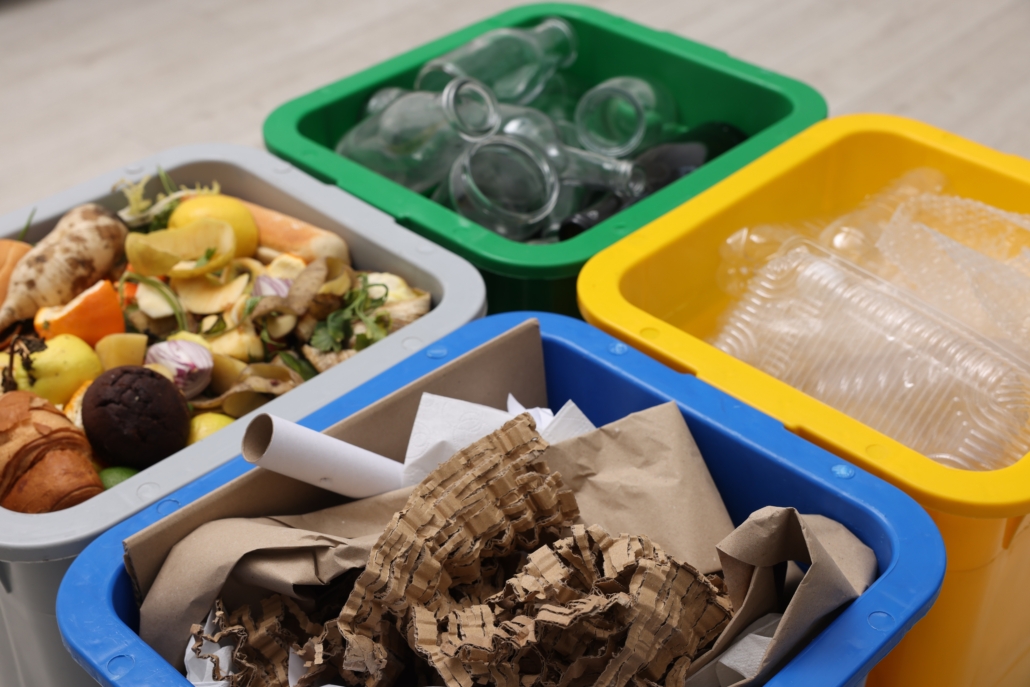
Recyclable Waste
Recyclable materials should be placed in the appropriate containers to facilitate their recovery:
- Paper and cardboard.
- Glass.
- Plastic packaging.
- Cans and metals.
Proper separation improves recycling efficiency and increases the quality of recovered materials.
Organic Waste
Food scraps, peels, and other biodegradable waste can be processed through:
- Composting.
- Anaerobic digestion for biogas production.
These treatments transform organic waste into useful resources such as fertilizers and renewable energy.
Hazardous Waste
This category includes batteries, chemicals, medicines, and electronic waste. These materials require specific management procedures to prevent risks to human health and the environment, following strict storage and treatment regulations.
Efficient Solid Waste Management
An effective waste segregation system should include:
- Properly labeled containers.
- Optimized collection processes.
- The use of compactors and sorting technologies.
- Collaboration between businesses, public administrations, and citizens.
The combination of these measures improves material recovery and reduces waste management costs.
Regulations and Legal Framework
In Spain, waste management is regulated by various laws aimed at promoting prevention, reuse, and recycling. Compliance with these regulations helps companies reduce legal risks, enhance their corporate image, and contribute to the sustainability objectives established by the European Union.
Waste Segregation in the Healthcare Sector
Healthcare waste requires specific classification due to the risks involved. This includes:
- Non-hazardous waste.
- Infectious waste.
- Sharps and cutting materials.
- Chemical or pharmaceutical waste.
Proper segregation and treatment are essential to protect public health and prevent environmental damage.
Training and Awareness
Employee training and public awareness are essential to ensure effective waste segregation. Recommended measures include:
- Training programs.
- Clear container labeling and signage.
- Digital support tools.
- Audits and process monitoring.
Environmental and Social Impact
Proper waste segregation contributes to:
- Reducing greenhouse gas emissions.
- Conserving natural resources.
- Improving environmental quality.
- Supporting the circular economy.
- Strengthening corporate social responsibility.
Conclusion
Waste segregation is an essential tool for achieving more efficient and sustainable waste management. Proper material classification, regulatory compliance, and the involvement of citizens and businesses help reduce environmental impact, improve recycling performance, and promote a circular economy based on the responsible use of resources.