Waste Management Regulations: Keys to a Circular Economy in Spain
Waste management regulations in Spain are essential to ensure sustainable waste management and reduce environmental impact. These regulations establish measures for waste collection, treatment, recycling, and recovery, while also promoting the development of the circular economy and environmental protection.
Regulatory Framework for Waste Management
Spanish waste legislation is based on national, regional, and European regulations. Among the most important are the Waste Legislative Royal Decree and the State Framework Waste Management Plan, which establish objectives for prevention, recycling, and reducing the amount of waste sent to landfill.
In addition, Spain’s autonomous communities develop specific regulations adapted to the needs of each territory, coordinating with local authorities to improve management efficiency. European Union directives also play a key role, especially in promoting the circular economy and ecological transition.
Types of Waste and Specific Regulations
The regulations distinguish different types of waste according to their hazardous nature and origin. The most important categories include:
- Hazardous waste, which requires strict controls for storage, transport, and disposal.
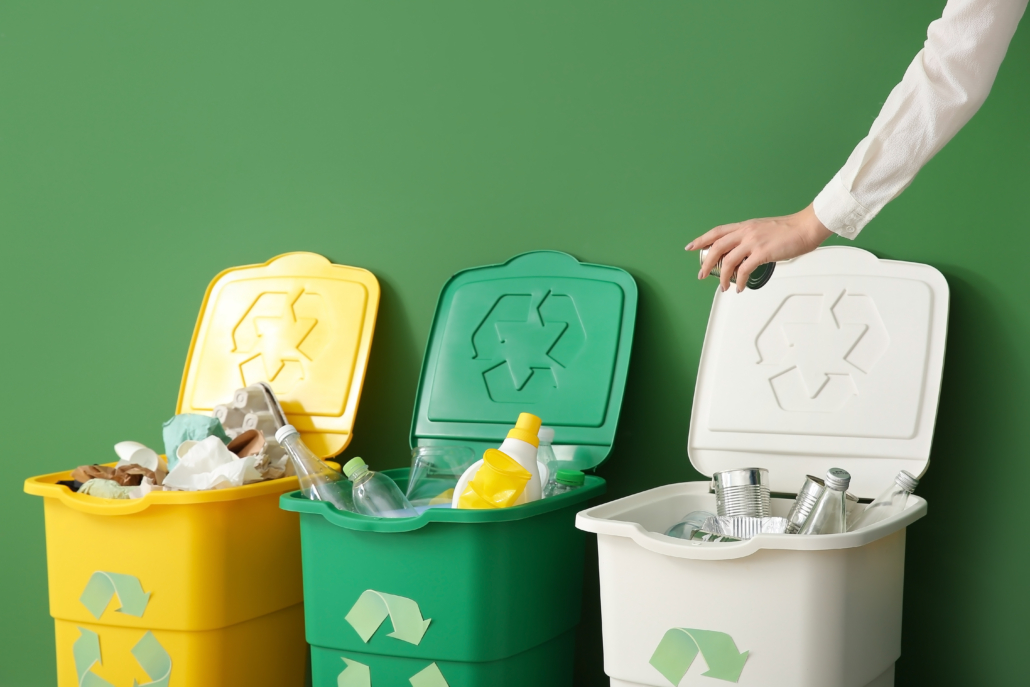
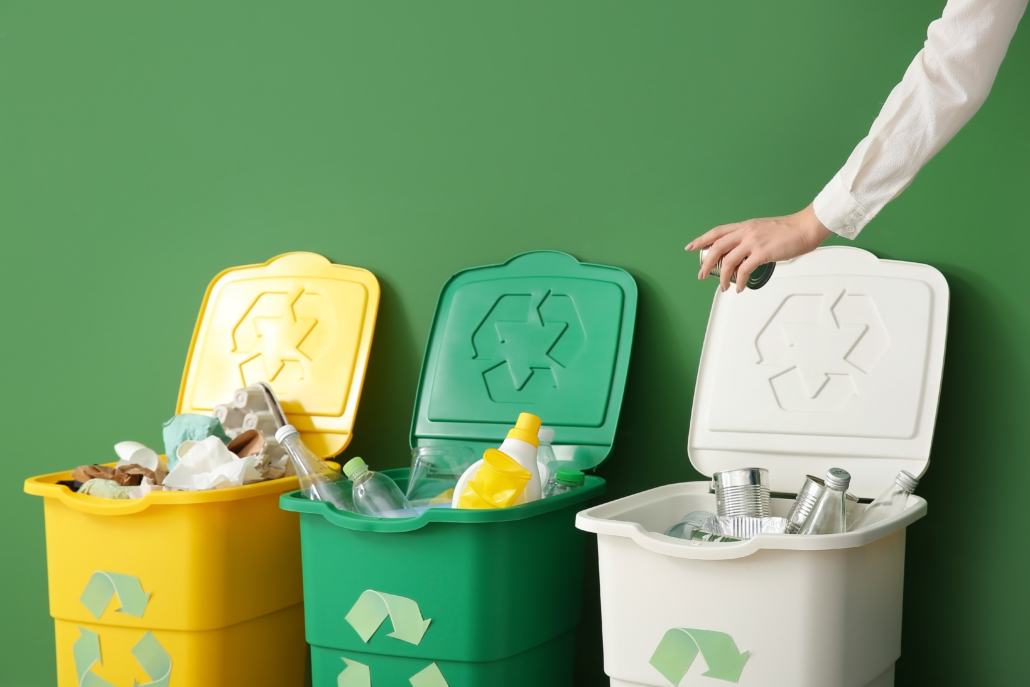
- Municipal and non-hazardous waste, managed through selective collection and recycling systems.
- Industrial and construction waste, subject to specific treatment plans.
- Waste electrical and electronic equipment (WEEE), regulated through extended producer responsibility systems.
Each category has specific protocols to minimize environmental risks and improve material recovery.
Extended Producer Responsibility
One of the pillars of current regulations is extended producer responsibility. This system requires manufacturers and distributors to take responsibility for managing the waste generated by their products at the end of their useful life.
This particularly affects sectors such as:
- Packaging and plastic products.
- Electrical and electronic equipment.
- Tires and other special waste.
To comply with these obligations, many companies participate in collective collection and recycling systems that allow waste to be managed more efficiently and sustainably.
Waste Collection and Treatment Operations
Waste management includes several key stages:
- Collection and transport.
- Classification and storage.
- Recycling and recovery treatments.
- Controlled disposal.
Among the most common treatments are material recycling, composting of organic waste, energy recovery, and in some cases, controlled incineration or disposal in authorized landfills.
Treatment facilities must comply with very strict technical and environmental requirements to ensure safety and minimize polluting emissions.
Waste Prevention and Circular Economy
Current regulations prioritize waste prevention over disposal. To achieve this, measures are promoted such as:
- Reducing the use of single-use plastics.
- Encouraging product reuse and repair.
- Implementing separate collection systems.
- Developing recyclable packaging and eco-design strategies.
The goal is to reduce waste generation and keep materials within the production cycle for as long as possible, thereby promoting the circular economy.
Environmental Protection and Administrative Control
The legislation also establishes control mechanisms to protect the environment and public health. These include:
- Regulation of contaminated soils.
- Environmental inspection and monitoring systems.
- Waste registration and traceability.
- Control of emissions and polluting activities.
Authorized companies and waste managers must comply with registration, reporting, and waste tracking obligations to ensure safe and transparent management.
Future Challenges in Waste Management
Among the main challenges are the increase in waste resulting from urban growth and consumption, as well as the need to modernize infrastructure and recycling systems.
Spain continues to move toward more sustainable models through the development of new technologies, process digitalization, and the integration of policies aligned with European sustainability and circular economy objectives.
Conclusion
Waste management regulations in Spain are essential to reducing environmental impact and promoting a more sustainable model based on the circular economy. Proper waste classification, collection, and treatment, together with the responsibility of producers, public administrations, and citizens, help improve material recovery and advance toward more efficient and responsible resource management.