
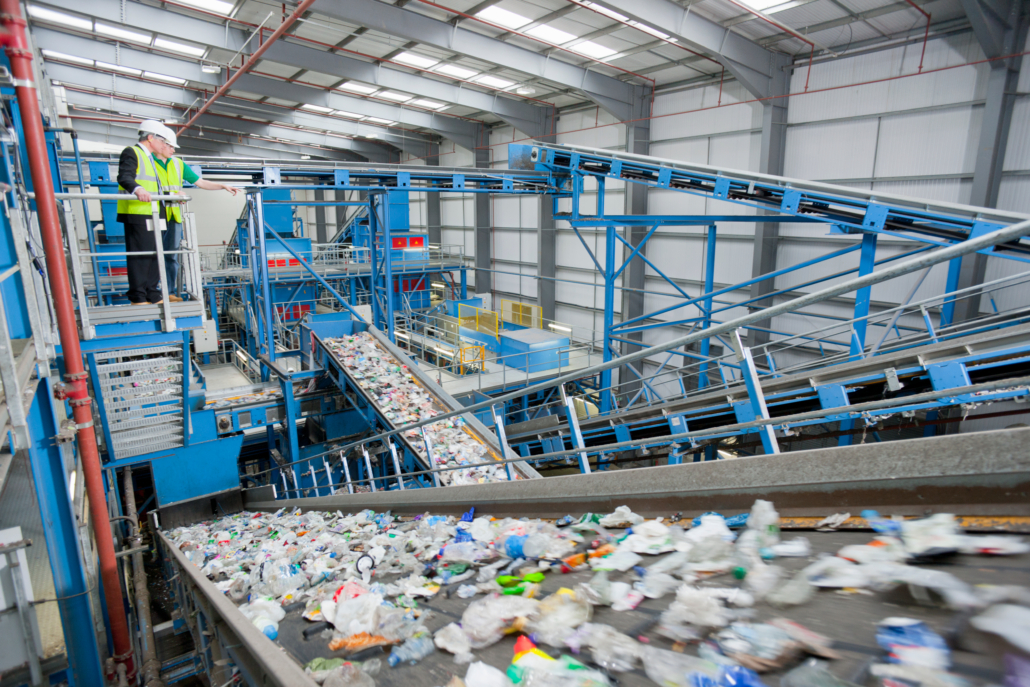
Waste treatment plants
Waste treatment plants are essential infrastructures for efficiently managing municipal solid waste. Their main function is to classify, process, and valorize waste, reducing its environmental impact while promoting recycling and the circular economy.
Sustainable waste management
Proper waste management helps minimize negative environmental impacts. Waste can be organic, inorganic, or hazardous, and each type requires specific treatment. Source separation is essential to improve material recovery and reduce the amount of waste sent to landfills.
Processes and operation of waste treatment plants
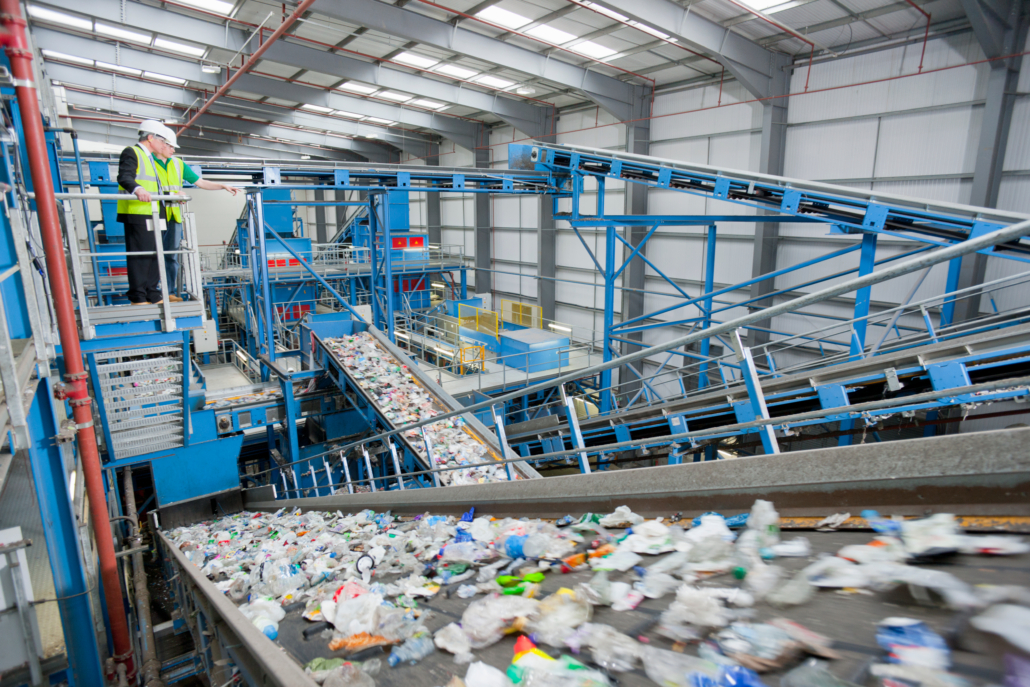
Waste treatment plants apply different processes to manage waste:
- Collection and sorting to separate recyclable materials
- Mechanical treatments such as shredding and separation
- Biological processes such as composting or anaerobic digestion
- Energy recovery through incineration or biogas generation
These stages allow waste to be transformed into new resources or energy, optimizing its use.
Types of waste treatment plants
There are different types of plants depending on their function:
- Sorting and separation plants, which identify recyclable materials
- Valorization plants, which convert waste into energy or new products
- Specialized plants, such as those for hazardous waste or organic treatment
The use of advanced technologies, such as automated systems, shredders, and biological processes, improves efficiency and treatment accuracy.
Environmental and economic benefits
Waste treatment offers significant advantages:
- Reduces the volume of waste sent to landfills
- Lowers pollutant emissions
- Promotes recycling and material reuse
- Creates jobs and supports economic development
- Encourages the circular economy
It also helps make use of resources that would otherwise be lost, reducing the need for virgin raw materials.
Optimization and efficient management
To improve plant performance, it is essential to:
- Promote waste separation at the source
- Incorporate sustainable and efficient technologies
- Carry out maintenance and equipment upgrades
- Optimize waste transport and logistics
- Encourage environmental awareness
These strategies increase system efficiency and reduce environmental impact.
Treatment of materials and hazardous waste
Waste treatment plants also process materials such as paper, plastics, and metals through specific recycling processes. In the case of hazardous waste, advanced treatments and strict regulations are applied to ensure safe disposal and prevent risks to health and the environment.
Conclusion
Waste treatment plants are essential for moving towards a more sustainable model. They help reduce environmental impact, recover valuable materials, and optimize waste management. Investing in their improvement, along with proper waste sorting and the use of advanced technologies, is key to building a more efficient and responsible circular economy.









Leave a Reply
Want to join the discussion?Feel free to contribute!