
Waste Treatment: Strategies for Sustainable Waste Management
Waste treatment is a key process for efficiently managing the waste generated by human activities. Its main objective is to reduce environmental impact, recover valuable materials, and promote a more sustainable model based on the circular economy. Through proper waste classification and treatment, many of these materials can be transformed into new resources.
Classification and Origin of Waste
Waste can be classified according to its origin and characteristics. Among the most common types are household, commercial, and industrial waste, as well as organic bio-waste, construction debris, and sanitary or hazardous waste.
Each type of waste requires specific treatment to minimize its environmental impact and facilitate recycling or reuse. Proper separation at the source helps improve the efficiency of waste management processes and reduces the amount of waste that ends up in landfills.
Processes and Methods in Waste Treatment
Various techniques are used in waste treatment. Preparing materials for reuse allows products to extend their lifespan through cleaning, repair, or refurbishment.
Biological treatments are mainly used for organic waste. Composting converts organic residues into natural fertilizer, while biomethanization generates biogas through the anaerobic decomposition of organic matter.
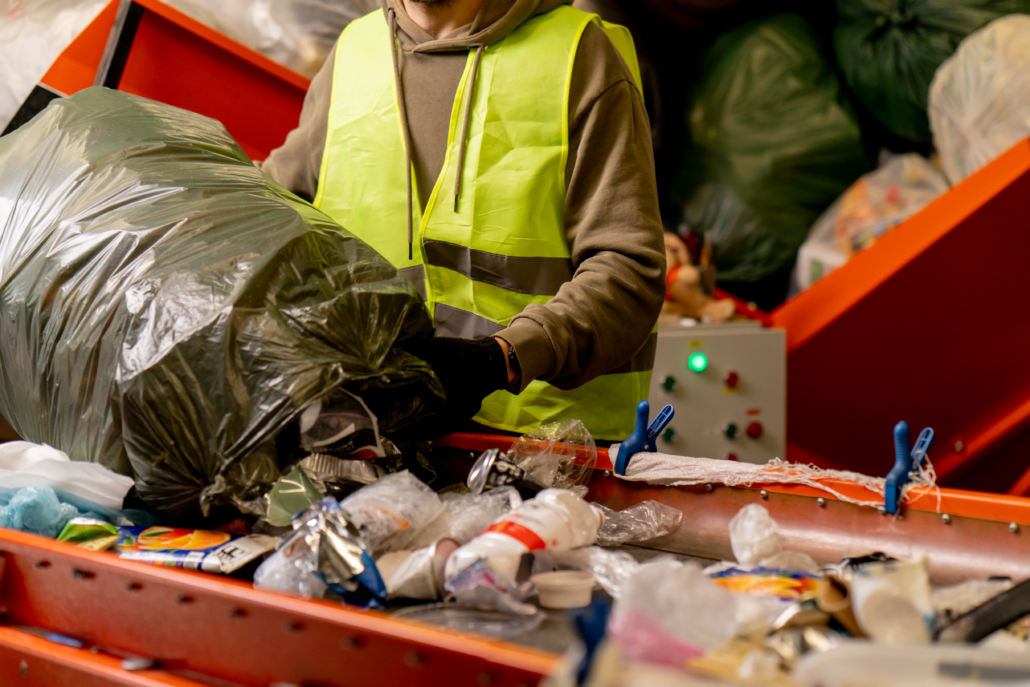
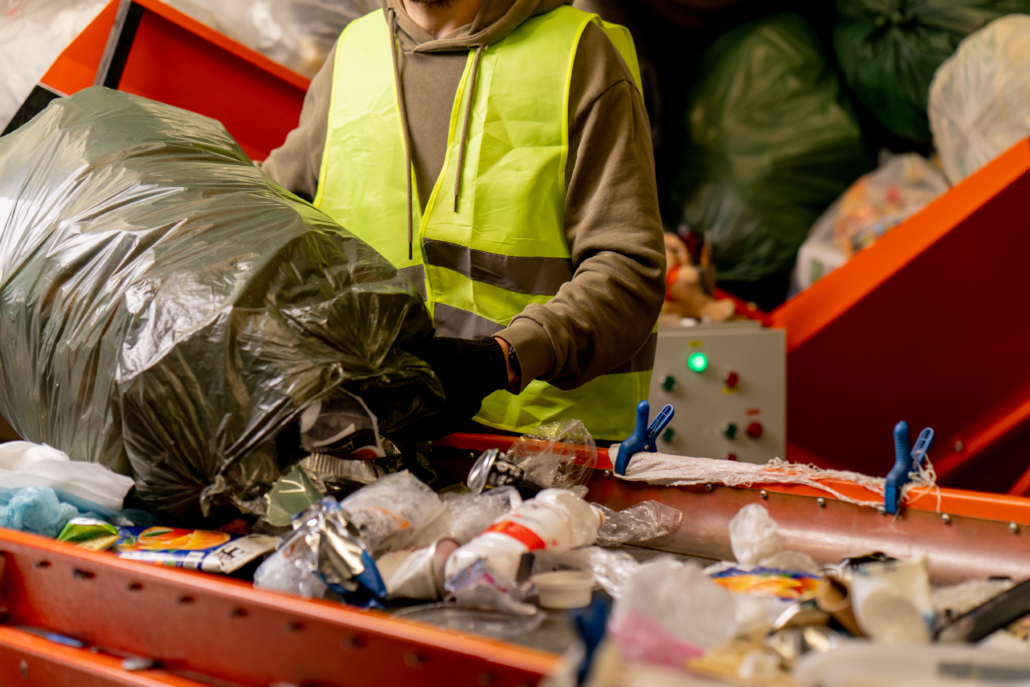
Mechanical treatments include processes such as shredding, sorting, and separating recyclable materials like metals, plastics, and paper. There are also thermal treatments, such as incineration and gasification, which allow energy to be recovered from certain types of waste.
Integrated Management in Treatment Plants
Recycling plants and treatment centers play a fundamental role in managing waste efficiently. These facilities incorporate automated sorting technologies, material shredding systems, and biological or energy recovery processes to valorize waste.
In addition to technical processes, integrated waste management includes services such as selective collection, specialized treatment of hazardous waste, and environmental education programs that encourage sustainable habits.
Regional Context: Waste Management in La Rioja
In La Rioja, several initiatives have been developed to improve waste management and promote recycling. Source separation, the expansion of treatment infrastructure, and the adoption of new technologies have increased the recovery of materials.
Recycling plants in the region use methods such as composting, mechanical recycling, and energy recovery treatments to reduce the volume of waste and make better use of resources. Cooperation between governments, companies, and citizens is also essential to move toward a more sustainable model.
Conclusion
Waste treatment is a fundamental element in protecting the environment and optimizing the use of resources. Proper waste classification, the development of recycling technologies, and efficient management in treatment plants help reduce environmental impact and recover valuable materials. Moving toward sustainable waste management is essential to strengthen a circular economy model that transforms waste into new resources and contributes to a more responsible future.



Leave a Reply
Want to join the discussion?Feel free to contribute!