
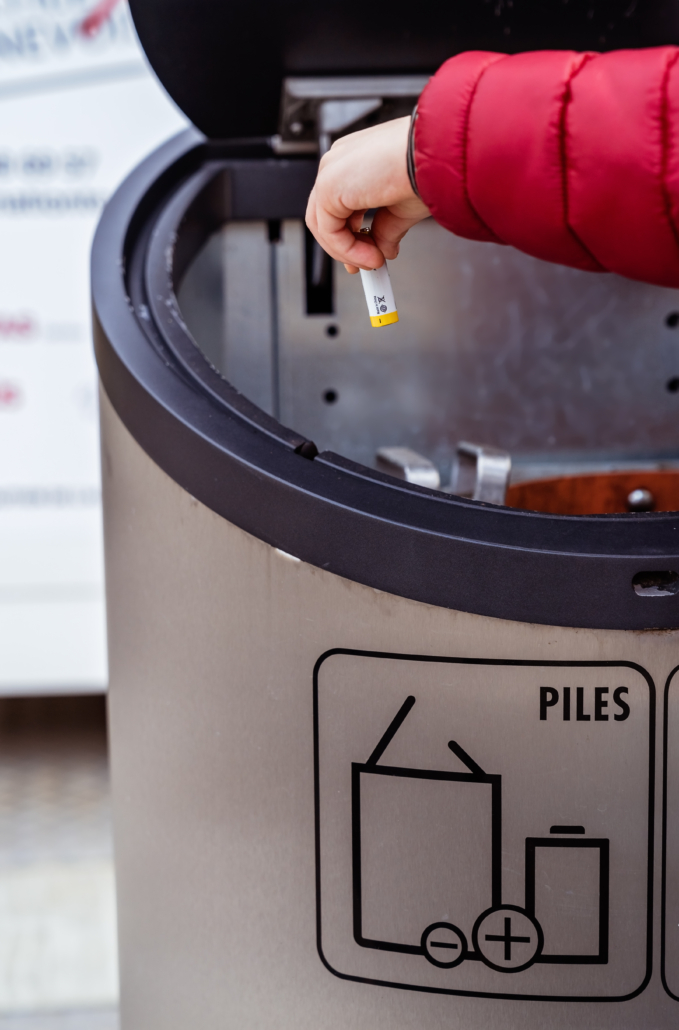
Battery recycling process: everything you need to know
Battery recycling is a key process for environmental sustainability and the protection of public health. Proper management of used batteries helps prevent soil and water contamination while allowing valuable materials to be recovered and reused in industry. Understanding how recycling works and the different stages involved is essential to maximize its effectiveness and move toward a more circular economy.
Importance of collecting and managing used batteries
Proper collection of used batteries is the first step in the recycling process. Recycling centers and selective collection systems make it easier for citizens to dispose of batteries safely. This prior classification ensures that each type of battery receives the appropriate treatment.
Once collected, batteries must be transported to treatment plants following strict safety protocols, as they may contain hazardous substances. Storage also requires specific conditions to prevent risks such as leaks, fires, or explosions.
Types of batteries and their recycling
There are different types of batteries, each with its own characteristics that determine how they are recycled. Lithium batteries, widely used in electronic devices and electric vehicles, contain valuable materials such as lithium, cobalt, and nickel, but they also pose risks if not properly managed.
Lead-acid batteries, commonly used in the automotive sector, are among the most recycled due to the ease of recovering lead. Meanwhile, alkaline batteries and cells require specific treatment, although they are considered less hazardous if managed correctly.
Battery recycling processes and techniques
Battery recycling combines different techniques to maximize material recovery and minimize environmental impact. The process usually begins with mechanical pre-treatment, which includes discharging and shredding the batteries to separate metals, plastics, and other components.
Subsequently, thermal or chemical treatments are applied. Pyrometallurgy uses high temperatures to melt materials and recover metals, while hydrometallurgy employs liquid solutions to extract and purify elements such as lithium, cobalt, or nickel in a more controlled manner.
Recovery and reuse of valuable materials
One of the major benefits of battery recycling is the recovery of critical raw materials. Metals such as lithium, cobalt, nickel, or lead can be reincorporated into the manufacture of new batteries, energy storage systems, or electronic components.
This process reduces the need to extract natural resources, lowers energy consumption, and strengthens the circular economy by keeping materials in use for longer and reducing waste generation.
Environmental benefits and challenges of battery recycling
Battery recycling helps minimize soil and water pollution, prevents the release of toxic substances, and reduces the volume of hazardous waste sent to landfills. It also lowers the environmental footprint associated with the production of new batteries.
However, the sector faces significant challenges, such as improving process efficiency and adapting to the growing volume of batteries on the market. Technological innovation and investment in new solutions will be key to addressing these challenges.
How to recycle batteries correctly
Battery recycling always begins with proper separation at the source. Batteries should never be disposed of in regular household waste, as they contain chemicals and metals that can contaminate soil and water.
The first step is to identify the type of battery. Household batteries, batteries from electronic devices, and car or electric vehicle batteries require different treatments. Proper separation facilitates subsequent recycling and improves process efficiency.
Once separated, batteries should be stored safely until they are handed over, avoiding impacts, moisture, or contact between terminals—especially in the case of lithium batteries. From there, they enter a specialized collection and treatment circuit that includes safe transport, dismantling, material separation, and recovery of valuable metals such as lithium, lead, nickel, or cobalt.
Where to recycle used batteries
There are multiple designated points for battery recycling. It is common to find specific containers for batteries and cells in supermarkets, shopping centers, and electronics stores. In the case of car batteries, mechanical workshops, dealerships, and authorized waste managers usually handle their collection and treatment in accordance with current regulations.
These infrastructures are part of the electronic recycling and sustainable mobility system, ensuring that batteries do not end up in landfills and that their materials can be reincorporated into new production processes.
If you want to learn more about the specific recycling of each type of battery and discover how to properly manage lithium batteries and car batteries, visit our specialized category. There you will find detailed information, recycling solutions, and practical content to recycle these key waste streams safely and sustainably.




Leave a Reply
Want to join the discussion?Feel free to contribute!