
Benefits of the circular economy for a sustainable future
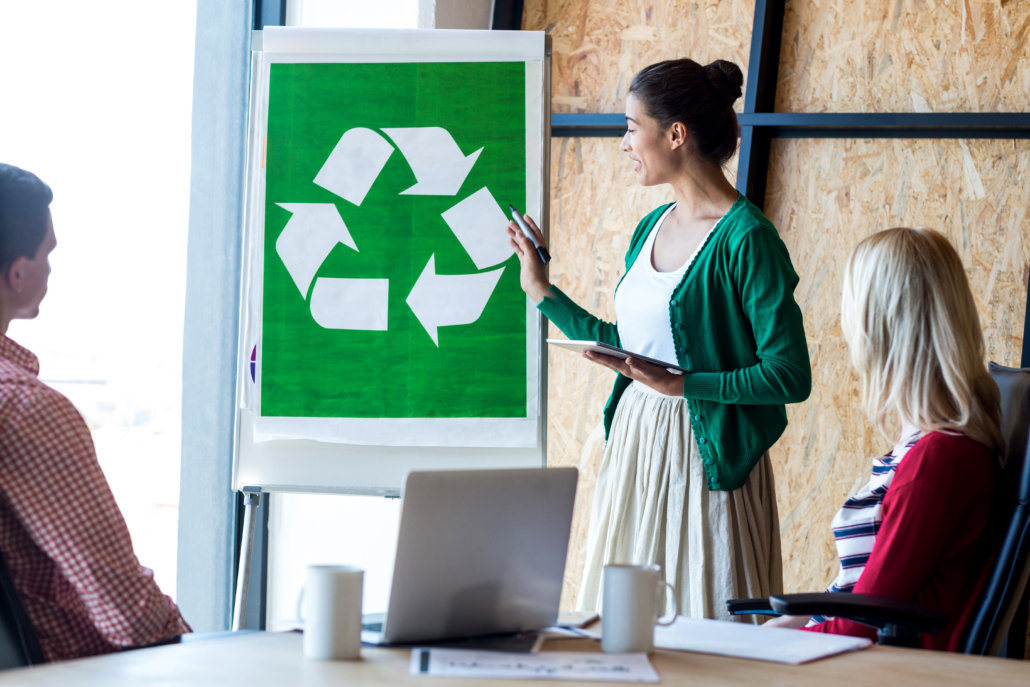
The circular economy is presented as a key model for moving towards more sustainable development. Unlike the traditional system of producing, consuming, and discarding, this approach focuses on optimizing resource use, reducing waste, and maintaining the value of materials for as long as possible. Adopting the circular economy not only has positive effects on the environment but also boosts the economy and generates significant social benefits.
Foundations of the circular economy
The circular economy aims to close production and consumption loops, minimizing waste generation. Its main objectives are to extend the lifespan of products, promote reuse and recycling, and reduce environmental impact. Unlike the linear model, where resources are lost at the end of the cycle, the circular model reintegrates them as valuable raw materials.
Its key principles include preserving natural resources, efficiently managing materials, and improving the efficiency of the productive system at all stages.
Environmental benefits
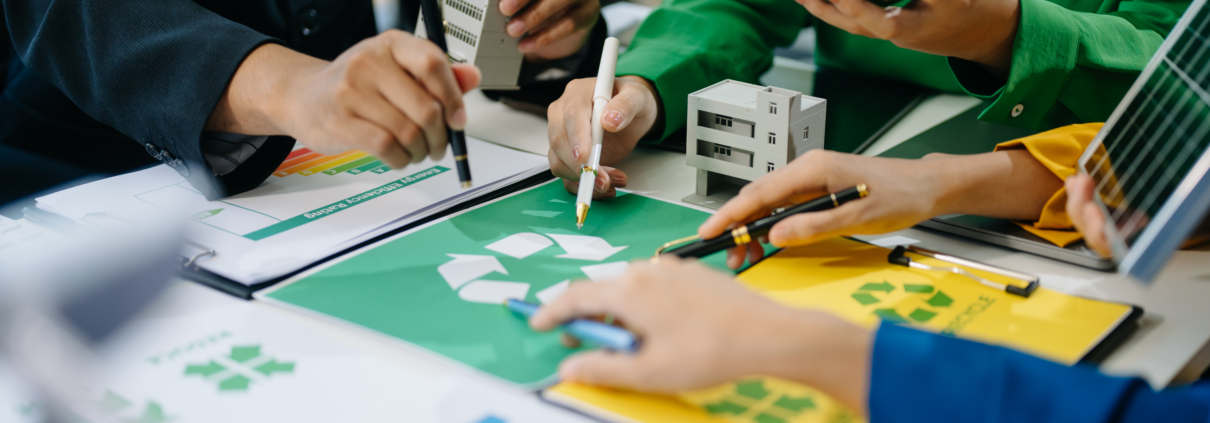
One of the main benefits of the circular economy is the significant reduction of waste. Through reuse and recycling, large volumes of waste are prevented from ending up in landfills, contributing to cleaner environments.
This model also helps reduce greenhouse gas emissions by lowering the need to extract and process new raw materials. In addition, it promotes more responsible use of natural resources, supporting ecosystem conservation and biodiversity protection.
Economic advantages
The transition to a circular model has a positive impact on the economy. More efficient use of resources helps reduce production costs and improve business competitiveness. Innovation plays a key role, driving the development of new products, services, and more sustainable business models.
Furthermore, the circular economy contributes to economic growth and job creation, especially in sectors such as repair, recycling, and remanufacturing, generating new employment opportunities and fostering more resilient local economies.
Social benefits
From a social perspective, the circular economy improves consumers’ quality of life by offering more durable and efficient products. It also supports social inclusion by creating jobs for groups with greater difficulties accessing the labor market.
In addition, it encourages new, more collaborative forms of consumption based on sharing, repair, and reuse, strengthening community participation and promoting more responsible habits.
Challenges and opportunities of the circular economy
Aunque los beneficios de la economía circular son claros, su implementación implica retos como la reorganización de procesos, la adaptación empresarial y la inversión inicial en tecnología. Sin embargo, la creciente demanda de productos sostenibles y las sinergias con la transición energética convierten estos desafíos en oportunidades para innovar y diferenciarse en el mercado.
Conclusion
The benefits of the circular economy go far beyond environmental protection. This model offers economic, social, and environmental advantages that contribute to more balanced and sustainable development. Committing to the circular economy means moving toward a more efficient, resilient, and responsible system, capable of addressing current challenges without compromising the well-being of future generations.




Leave a Reply
Want to join the discussion?Feel free to contribute!