
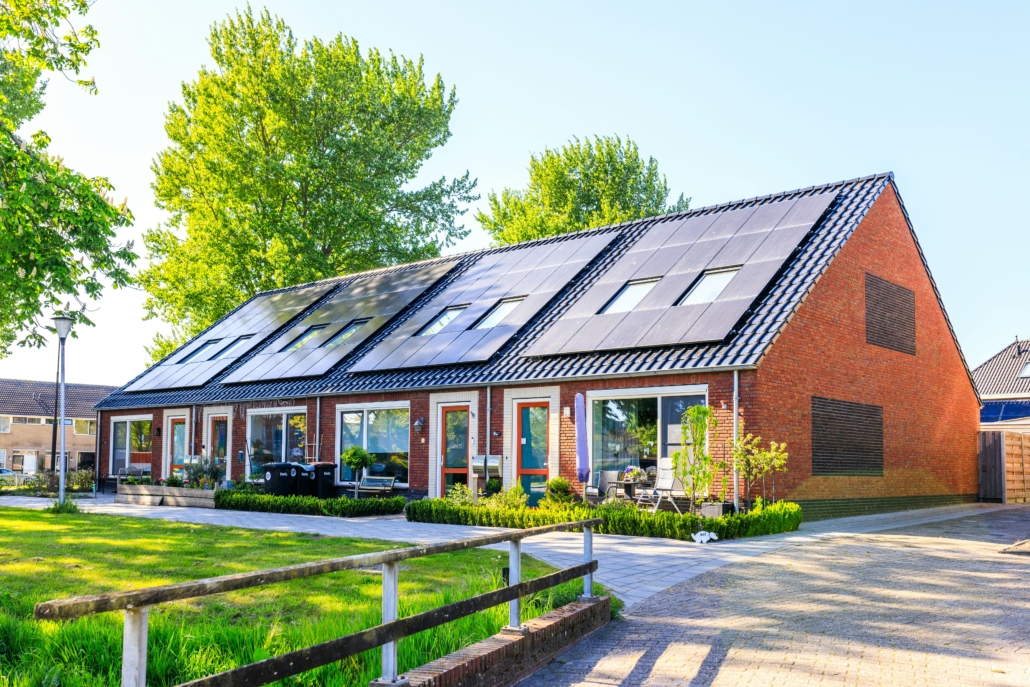
Ecological houses: the future of sustainable housing in Spain
Ecological houses represent a sustainable alternative to conventional construction. These homes focus on the efficient use of natural resources and the implementation of bioconstruction techniques. Its design seeks to minimize environmental impact while promoting the well-being of occupants. Throughout this article, the principles, benefits and challenges associated with this type of buildings will be explored.
Fundamental Principles of Ecological Home Construction
Sustainable home construction is based on key principles that promote efficiency, well-being, and respect for the environment. These fundamental pillars are explained below.
Utilizing Natural Resources in Design
With a focus on sustainability, it is vital to utilize available natural resources. This involves using technologies that integrate the environment into the construction process. In this way, buildings not only blend into the landscape but also reduce their ecological footprint.
Bioconstruction Criteria and Building Materials
The responsible use of materials in construction is crucial. Bioconstruction advocates for methods that respect and integrate natural cycles.
Use of Wood, Straw, and Natural Materials
- Wood is obtained from sustainable sources, ensuring that its extraction does not harm the environment.
- Straw provides insulating properties and is an easily renewable agricultural material.
- Natural materials promote healthy environments and minimize pollution during construction.
Circular Economy and Reduced Environmental Impact
The focus on the circular economy allows for the recycling and reuse of components, closing the life cycle of the materials used. This minimizes waste and promotes resource regeneration, ensuring a significant reduction in environmental impact.
Sustainable Architecture and Energy Efficiency
Architecture that considers sustainability is essential for the future. Energy efficiency becomes the foundation of these designs.
Passive Design for Optimized Heating and Cooling
- Buildings are strategically oriented to maximize solar gain.
- The integration of elements such as overhangs and well-placed windows reduces energy consumption for heating and cooling.
Incorporation of Renewable Energy
Including renewable sources, such as solar panels and geothermal energy systems, transforms homes into self-sufficient units. This guarantees that the energy consumed is clean and sustainable.
Prefabricated and Modular Eco-Friendly Homes: Quick and Sustainable Solutions
The construction of prefabricated and modular eco-friendly homes has emerged as an effective option. This method facilitates the creation of sustainable homes in a shorter time and with a reduced environmental impact.
Characteristics of Modular Wood and Straw Bale Homes
Modular homes, built primarily with wood and straw bales, have several distinctive characteristics. Wood is used for its insulating properties and sustainability. Straw bales, on the other hand, act as an excellent insulating material and contribute significant ecological benefits.
Advantages of the Prefabricated Construction System
One of the main advantages of the prefabricated system is the speed of installation. The components are manufactured in a controlled environment, which reduces construction time. Furthermore, the minimization of waste compared to traditional construction is remarkable, as less waste is generated during the process.
Servicio integral “llave en mano” y personalización
Companies that offer modular homes typically provide a comprehensive turnkey service, enhancing the customer experience. This approach allows for significant customization in the design, adapting to the specific needs of each project.
Impact on Quality of Life and Well-being
The implementation of modular eco-friendly homes not only has structural benefits but also positively impacts the quality of life of their inhabitants. The use of natural materials and sustainable techniques creates healthier and more pleasant environments.
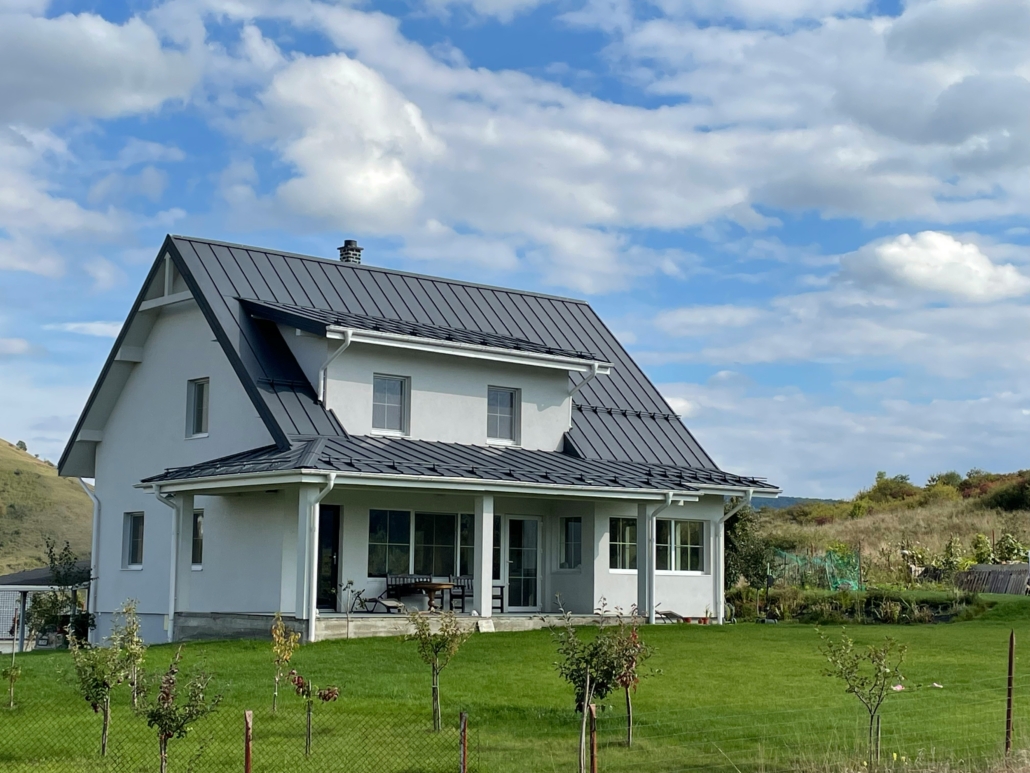
Benefits of Living in Sustainable Eco-Friendly Homes
Sustainable homes offer numerous advantages that go beyond simply living in them. The following points highlight some of the most relevant benefits.
Economic Savings Through Reduced Energy Consumption
Building homes that utilize natural resources and apply energy efficiency principles allows homeowners to enjoy significant savings on their energy bills.
Maximum Energy Efficiency and Thermal Insulation
Eco-friendly homes are designed with materials that provide optimal thermal insulation. This means that heat is retained during the winter and coolness is maintained in the summer. This efficient insulation reduces the need for heating and cooling, contributing to lower energy consumption.
Reducing Energy Consumption in Heating and Cooling
Integrating efficient climate control systems, such as solar panels and sustainable heating technologies, minimizes energy consumption. This not only translates into savings in operating costs, but also enhances overall energy efficiency.
Improved Health and Indoor Environmental Quality
The design of these homes prioritizes a healthy environment, avoiding health problems associated with traditional construction. Indoor air quality is vital for the well-being of the occupants.
Air Quality Control and Sick Building Syndrome
Eco-friendly homes are designed to ensure adequate air circulation, which helps combat sick building syndrome. This is achieved through the selection of non-toxic materials and a design that prevents humidity and promotes ventilation.
Natural Ventilation and Natural Light
Cross ventilation and the proper use of openings allow fresh air to flow throughout the home, improving air quality and providing natural light. These two elements are essential for creating a healthy and pleasant space.
Contribution to Sustainability and Environmental Protection
Living in an eco-friendly home means actively participating in environmental protection. These buildings use sustainable resources that are less harmful to the planet.
Implementing sustainable construction practices and promoting the use of recycled materials are actions that reduce environmental impact.
- Promoting the circular economy through material recycling.
- Reducing waste generation during construction.
- Conserving natural resources through the responsible use of materials.
Comprehensive process in the construction of eco-friendly homes
Developing eco-friendly homes involves a meticulous and systematic approach, encompassing everything from project management to material selection and obtaining certifications. This process ensures that every element contributes to a sustainable and healthy environment.
Comprehensive project management and eco-friendly construction
Effective management is crucial in eco-friendly construction. Planning must include aspects such as site selection, design focused on the use of natural resources, and the use of technologies that optimize energy efficiency.
Selection and use of sustainable building materials
Materials play a fundamental role in the building process. It is imperative to choose those with a lower environmental impact and that are recyclable or renewable.
- Certified wood from sustainably managed forests.
- Straw and reeds as bioconstruction options that facilitate excellent thermal insulation.
- Recycled materials that contribute to the circular economy and minimize waste during construction.
Certifications and guarantees for eco-friendly homes
Obtaining certifications is an essential step that demonstrates a commitment to sustainability. These guarantees strengthen the confidence of future homeowners and validate the use of responsible construction practices.
Energy efficiency regulations and standards
European regulations have established rigorous standards that govern the energy consumption of new buildings. These regulations not only promote energy efficiency but also aim for a reduced environmental impact.
Commitment to reducing environmental impact
A clear commitment to sustainability translates into the implementation of processes that minimize the ecological footprint. This includes everything from reducing construction waste to using clean technologies that reduce emissions throughout the building’s lifespan.
Challenges and Solutions in Implementing Green Housing
Adopting green housing faces several challenges that must be addressed to facilitate its implementation and promote a more sustainable environment.
Initial Costs and Payback on Energy Savings
One of the main obstacles is the high initial cost of building a green home. This cost can be a deterrent for potential buyers. However, it is essential to consider the long-term payback period. Green homes, being more energy-efficient, offer significant reductions in energy bills.
- Initially, the investment can range from 3% to 8% higher than a traditional home.
- In the long term, savings on heating and cooling costs can reach up to 90% compared to conventional homes.
Adapting to Local Regulations and Legal Requirements
Regulations in each locality can complicate the construction of green homes. There are specific regulations that must be considered during the design and construction process. Complying with these standards is fundamental to avoid legal problems and ensure the project’s viability.
- It is important to consult building regulations before starting construction.
- Energy efficiency certification can be a key regulatory requirement for any home.
Raising Awareness and Education on Bioconstruction and Sustainability
Lack of awareness about the advantages of bioconstruction and sustainability can be another significant challenge. Raising awareness about the benefits of eco-friendly housing is crucial to increasing its acceptance and demand in the market.
- Education on the importance of reducing the carbon footprint is essential.
- Awareness programs can help change public perception about the costs and benefits.




Leave a Reply
Want to join the discussion?Feel free to contribute!