
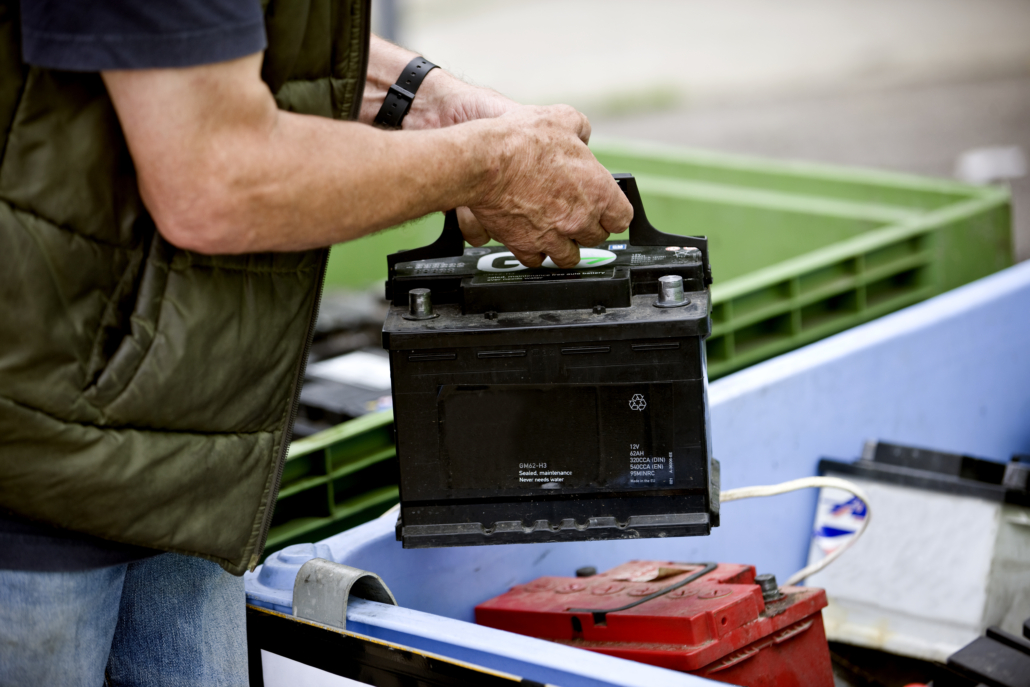
Recycling car batteries
Recycling car batteries is an essential element for moving toward more sustainable mobility. The growth of electric vehicles has significantly increased the demand for batteries, making proper management of their life cycle indispensable. Appropriate recovery and recycling help reduce environmental impact, recover valuable materials, and strengthen the circular economy.
Recycling as a pillar of sustainable mobility
The expansion of electric vehicles responds to the need to reduce emissions and improve air quality. However, this transition also involves an increase in battery production, whose manufacturing requires large amounts of natural resources such as lithium, nickel, and cobalt. Without responsible end-of-life management, these batteries can become a significant source of pollution.
Recycling plants play a key role, as they allow the recovery of strategic materials and reduce dependence on new extraction, closing the battery life cycle within the circular economy.
Life cycle of electric car batteries
The life cycle of a battery begins with the extraction of raw materials and manufacturing, processes that are energy-intensive and have a considerable environmental impact. During use, the battery gradually loses charging capacity due to natural wear.
Before reaching recycling, many batteries can have a second life in applications such as renewable energy storage or electrical backup systems. Finally, when they are no longer suitable for reuse, they must be collected and treated in specialized facilities that ensure safe and efficient management.
Key materials and their recovery
Electric vehicle batteries contain high-value materials such as lithium, nickel, and cobalt, which are essential for manufacturing new batteries. Through advanced recycling techniques such as hydrometallurgy and pyrometallurgy, it is possible to recover more than 80% of these materials.
Reusing these raw materials reduces the carbon footprint associated with producing new batteries, lowers pressure on natural resources, and improves the overall sustainability of the sector.
Recycling process for electric vehicle batteries
Battery recycling begins with safe collection and storage, following strict safety protocols. Next comes dismantling to separate components and the shredding of cells, generating what is known as “black mass,” which concentrates valuable metals.
Through advanced chemical treatments, recovered materials are purified and reintegrated into the production chain. The entire process is regulated by European standards that ensure safety, traceability, and compliance with environmental criteria.
Environmental impact and benefits of recycling
Battery recycling directly contributes to reducing emissions and lowering the carbon footprint by avoiding highly polluting extractive processes. It also prevents soil and water contamination by stopping the release of heavy metals and toxic substances.
From a strategic perspective, it strengthens energy security by reducing dependence on imported raw materials and promoting a more stable supply of key resources.
Circular economy and local development
Integrating battery recycling into the circular economy generates economic and social benefits. This sector drives the creation of green jobs, ranging from waste management to research and development of new recycling technologies.
The commitment of manufacturers, together with European regulations, is encouraging the implementation of increasingly efficient collection and recycling systems. Numerous success stories already show that environmental sustainability can go hand in hand with economic viability.
Challenges and future of battery recycling
Despite progress, battery recycling faces major challenges, such as improving recovery rates, developing new technologies, and adapting to new types of batteries. Innovation in machinery and processes will be key to increasing efficiency and reducing environmental impact.
Social awareness and citizen participation also play a fundamental role. Better information and education about the importance of recycling facilitate proper collection and maximize the benefits of the system.
Conclusion
Recycling car batteries is an essential pillar for ensuring truly sustainable electric mobility. It helps reduce pollution, recover strategic materials, and strengthen the circular economy, while also driving economic development and the creation of green jobs. Committing to efficient and responsible battery recycling not only protects the environment but also lays the foundations for a safer and more balanced energy future.




Leave a Reply
Want to join the discussion?Feel free to contribute!