

Recycling electronics: the key to a sustainable future
Electronic waste recycling is a fundamental pillar for moving towards a more sustainable development model. Proper management of electronic waste helps reduce pollution, protect public health, and recover valuable materials that can be reintegrated into production processes. Given the constant growth of this type of waste, it is essential to apply appropriate processes and promote a truly effective circular economy.
What electronic waste is and why it is important to manage it correctly
Electronic waste includes all devices that operate with electricity and have reached the end of their useful life, such as mobile phones, computers, household appliances, or audio and video equipment. Many of these devices contain hazardous components, such as lead, mercury, or cadmium, which can cause serious damage to the environment and human health if not properly managed.
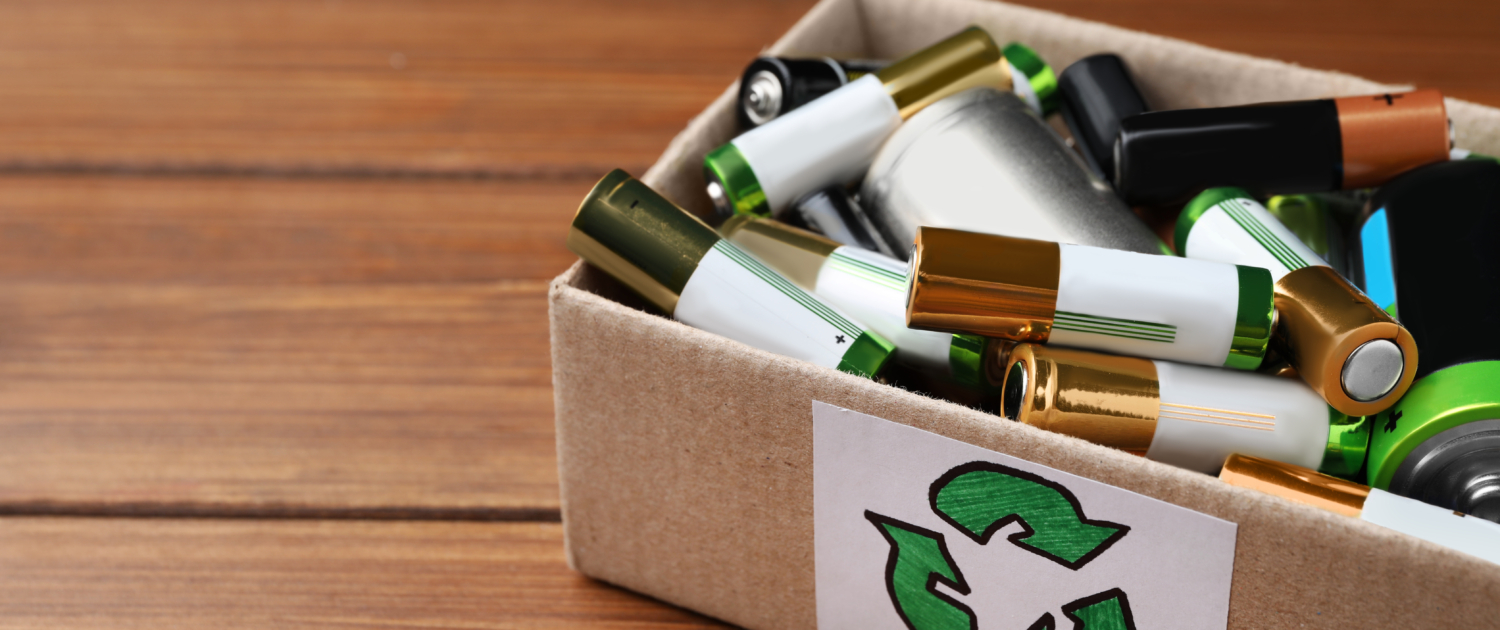
Special attention must be given to batteries, both single-use and rechargeable, as their chemical content requires specialized treatment to prevent contaminating leaks.
Legislation and regulations on electronic waste
The management of electronic waste is regulated by specific legislation, such as the WEEE Directive in the European Union, which establishes clear obligations for manufacturers, distributors, and waste managers. These regulations aim to ensure the proper collection, treatment, and recycling of electrical and electronic equipment.
At the local level, recycling centers and selective collection systems make it easier for citizens to dispose of their devices safely, preventing uncontrolled dumping.
Electronic device recycling processes
Electronic recycling begins with the collection and classification of devices at authorized facilities. Afterwards, dismantling is carried out to separate recyclable materials from hazardous components.
During this process, valuable metals such as gold, silver, and copper are recovered, as well as rare earth elements essential for manufacturing new technological devices. At the same time, hazardous waste is treated following strict protocols to prevent the release of toxic substances.
Thanks to technological advances, recycling processes are becoming increasingly efficient, reducing energy consumption and encouraging the reuse of components and secondary raw materials.
Environmental and social impact of electronic recycling
Improper management of electronic waste can cause soil, water, and air pollution, seriously affecting ecosystems and human health. Proper recycling prevents the release of hazardous substances and reduces the need to extract new raw materials, easing pressure on the environment.
From a social perspective, electronic recycling contributes to job creation in sectors related to waste management, reuse, and remanufacturing, while also promoting greater environmental awareness among citizens.
Electronic recycling within the circular economy
Electronic waste recycling is a key element of the circular economy. By recovering materials and giving many components a second life, waste is reduced and the use of available resources is optimized. This approach helps lower energy consumption, reduce emissions associated with the production of new materials, and move towards a more sustainable and responsible model.
Citizen participation and corporate commitment are essential for this system to work effectively. Take-back programs, awareness campaigns, and clear information about collection points help make electronic recycling increasingly efficient.
Conclusion
Electronic recycling is a key tool for protecting the environment, improving public health, and efficiently using available resources. Proper management of this waste helps reduce pollution, recover valuable materials, and strengthen the circular economy. Committing to the recycling of electronic devices is not only an environmental responsibility but also an opportunity to move towards a more sustainable and balanced future.




Leave a Reply
Want to join the discussion?Feel free to contribute!