
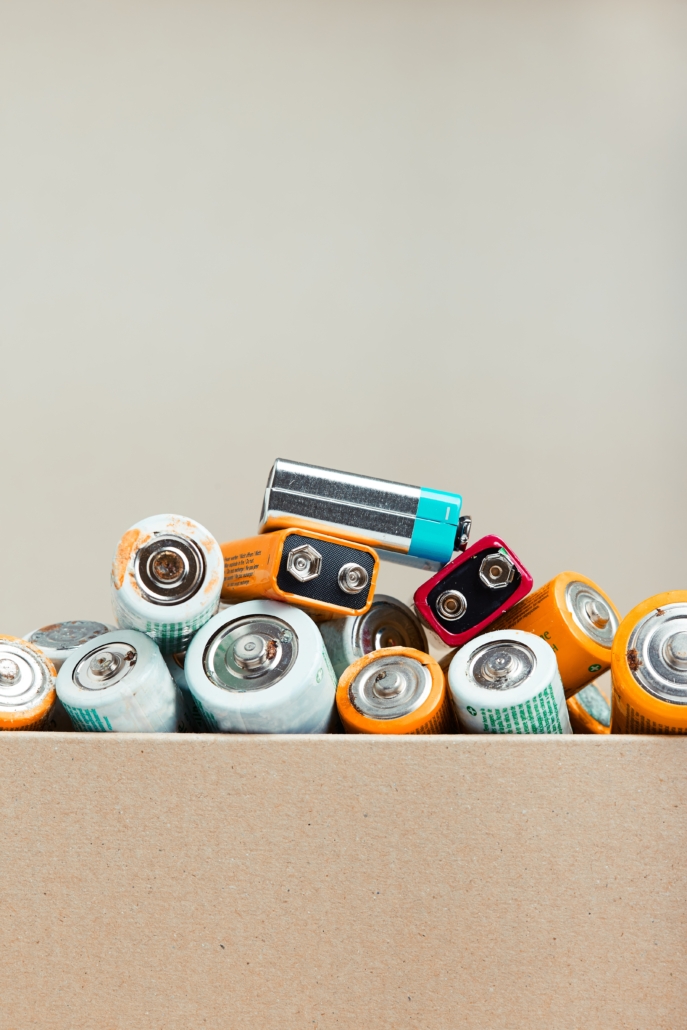
Lithium battery recycling
Lithium battery recycling has become a fundamental aspect of reducing the environmental impact caused by the widespread use of electronic devices and electric vehicles. These batteries contain valuable materials such as lithium, cobalt, and nickel, but also potentially polluting substances if they are not managed properly. Effective recycling makes it possible to recover resources, prevent soil and water contamination, and move towards a more responsible circular economy model.
Environmental importance of lithium battery recycling
Improper disposal of lithium batteries can cause serious environmental damage, ranging from the release of toxic compounds to the risk of fires and explosions. In addition, the production of new batteries requires intensive extraction of natural resources, with a high ecological cost. Recycling reduces the need for new mining activities and helps protect sensitive ecosystems.
Material recovery and energy efficiency
One of the main benefits of recycling is the recovery of critical raw materials. Reusing lithium, cobalt, and nickel helps reduce the energy consumption associated with manufacturing new batteries and lowers production costs. This process is essential for the sustainable development of electric mobility and renewable energy technologies.
Recycling processes and management in Spain
In Spain, lithium battery recycling is organized through authorized collection points and specialized recycling plants. The process combines mechanical and chemical techniques that allow the separation and purification of the different components. All of this is regulated by strict legislation that ensures safety, traceability, and the proper management of these hazardous wastes.
Current challenges and the future of battery recycling
El crecimiento del vehículo eléctrico y del almacenamiento energético plantea nuevos desafíos. Será necesario mejorar continuamente los procesos de reciclaje, invertir en innovación tecnológica y reforzar la colaboración entre fabricantes, recicladores y administraciones. Adaptarse a nuevos tipos de baterías y aumentar la capacidad de tratamiento será clave para sostener esta transición.
Conclusion
Lithium battery recycling is not only an environmental obligation but also a strategic opportunity to move towards a cleaner and more efficient energy model. Recovering materials, reducing pollution, and minimizing dependence on scarce natural resources are essential steps to ensure a sustainable future. Investing in effective recycling today means securing environmental and economic balance for tomorrow.









Leave a Reply
Want to join the discussion?Feel free to contribute!