
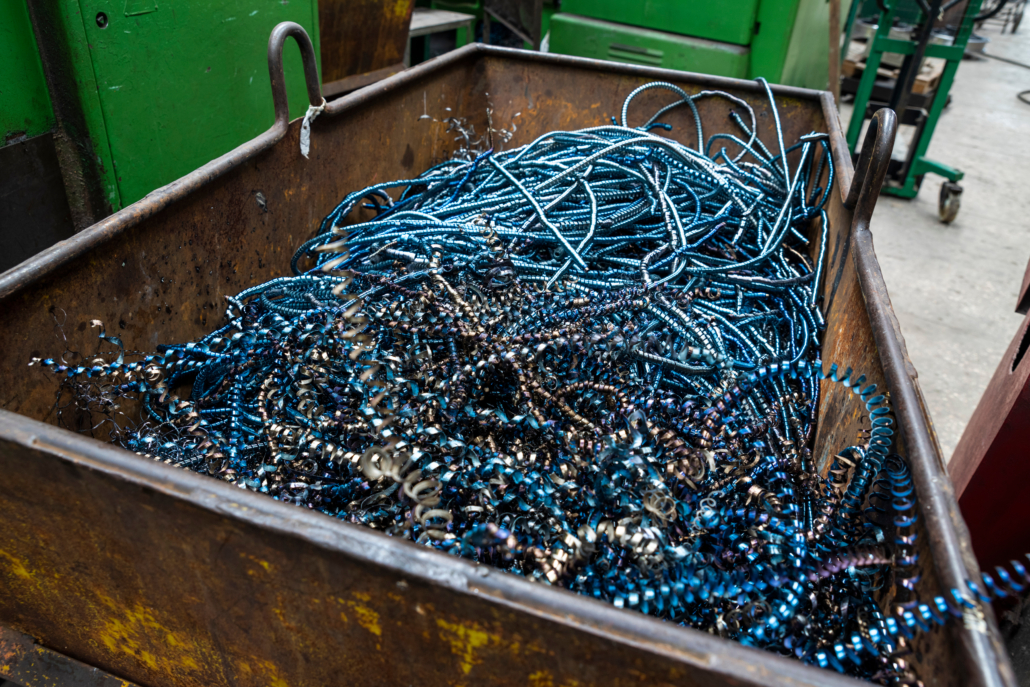
Metal Recycling
Metal recycling is a fundamental practice for sustainability and the circular economy. It helps reduce the extraction of raw materials, lower pollution, and make the most of resources that can be reused multiple times without losing quality. Metals such as aluminum, steel, and copper have high industrial value, and their recycling represents significant energy and environmental savings.
Importance of Metal Recycling
Recycling metals significantly reduces energy consumption and pollutant emissions associated with mining and primary production. For example, recycling aluminum can save up to 95% of the energy required to produce it from raw materials.
In addition, recycling helps to:
- Reduce waste in landfills
- Lower waste management costs
- Boost employment in the sector
- Promote a more sustainable industryTodo ello refuerza un modelo económico más eficiente y respetuoso con el entorno.
All of this strengthens a more efficient and environmentally responsible economic model.
Recycling Processes and Technologies
The process begins with the collection and sorting of metals. Afterwards, techniques such as the following are applied:
- Shredding to reduce size
- Magnetic separation for ferrous metals
- Eddy current separation for non-ferrous metals
- Smelting and refining to obtain reusable ingots
New technologies, such as automated systems and high-efficiency machinery, are improving material recovery rates and reducing environmental impact.
Types of Recyclable Metals
Among the main recyclable metals are:
- Aluminum, used in packaging and automotive industries
- Copper, essential in electricity and electronics
- Steel, widely used in construction
- Nickel, key in batteries and alloys
Their nearly infinite recyclability makes them strategic materials for the circular economy.
Current Challenges
Metal recycling faces challenges such as waste contamination, transportation costs, market price fluctuations, and a lack of public awareness. In addition, complex alloys make efficient separation more difficult.
Overcoming these challenges requires technological investment, infrastructure improvements, and environmental education.
How to Participate in Metal Recycling
At an individual level, it is important to properly separate metal waste and use appropriate recycling containers or collection centers.
Companies can implement internal recycling programs, collaborate with authorized waste managers, and train employees in environmental best practices.
Conclusion
Metal recycling is a key element in moving toward a more sustainable and efficient economic model. It helps save energy, reduce the extraction of natural resources, and lower pollution, while also driving industrial development and technological innovation. Active participation from both citizens and businesses is essential to maximize its impact and strengthen a circular economy based on responsible resource use.









Leave a Reply
Want to join the discussion?Feel free to contribute!