
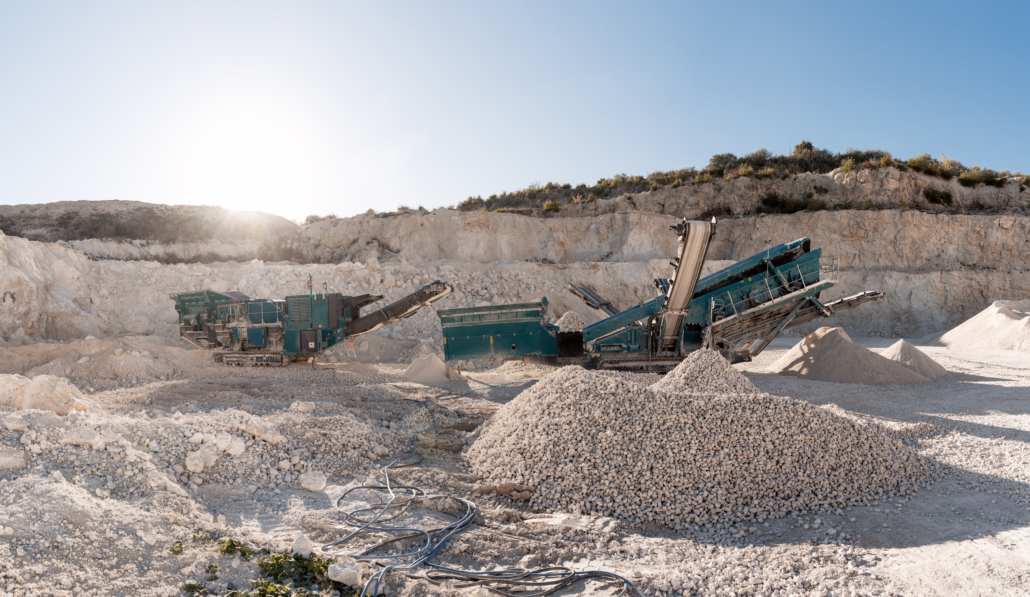
Construction debris recycling plants: sustainability and circular economy
Construction debris recycling plants are specialized facilities dedicated to managing waste generated from construction and demolition projects. Their main purpose is to recover reusable materials in order to reduce waste volume, preserve natural resources, and promote more sustainable construction practices.
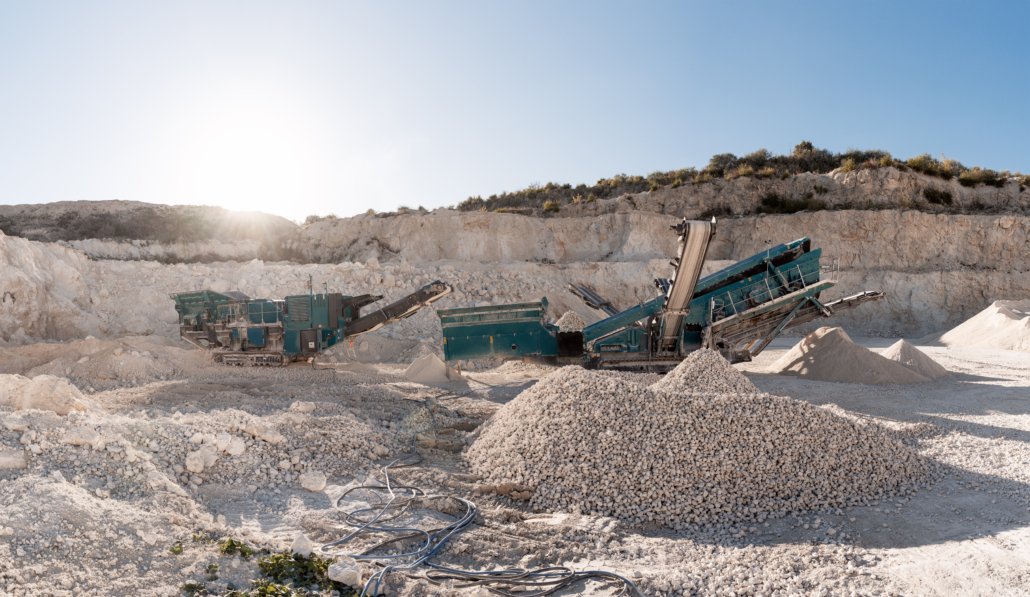
How do construction debris recycling plants work?
The process begins with the reception and evaluation of waste materials to identify their composition and determine recycling possibilities. The materials then go through different stages of sorting and treatment.
Material classification and separation
Debris is separated through manual processes and automated systems. Technologies such as conveyor belts, magnets, and separators help identify recyclable materials like concrete, metals, wood, and plastics while removing non-reusable elements.
Crushing and treatment
Once classified, the materials are crushed and processed to reduce their size and facilitate reuse. During this stage, quality controls are carried out to ensure recycled materials meet the required standards for future applications.
Removal of impurities
The final stage involves eliminating contaminants or non-recyclable materials through cleaning and separation systems, obtaining products suitable for new construction uses.
Benefits of debris recycling
Reduction of landfill waste
Recycling significantly decreases the amount of waste sent to landfills, helping extend their lifespan and reducing the environmental impact associated with waste disposal.
Conservation of natural resources
Reusing recycled materials reduces the need to extract aggregates, sand, gravel, and other natural resources, contributing to ecosystem protection and energy savings.
Economic advantages
Using recycled materials can lower production costs in construction projects, create new business opportunities, and encourage job creation in the recycling sector.
Main recycled materials
Recycled concrete
Recovered concrete can be transformed into recycled aggregates used in road bases, fillings, and new construction elements.
Metals
Ferrous and non-ferrous metals are separated and recycled for reuse in different industries, reducing the need for virgin raw material extraction.
Wood and organic waste
Recycled wood can be used in the production of boards and other products, while certain organic waste can be utilized for composting or biomass generation.
Technology used in recycling plants
Modern facilities incorporate specialized equipment such as crushers, screens, magnetic separators, and washing systems. In addition, the use of smart sensors, automation, robotics, and artificial intelligence is becoming increasingly common to optimize sorting and improve process efficiency.
Challenges and opportunities in the sector
Debris recycling still faces challenges related to technological investment, regulatory adaptation, and specialized training. However, the growing focus on the circular economy and sustainability policies is creating new opportunities for the development of this sector.
Conclusion
Construction debris recycling plants play a fundamental role in sustainable construction. Through material recovery, waste reduction, and the use of advanced technologies, these facilities help conserve natural resources, reduce environmental impact, and promote a more efficient circular economy. Their development will be essential for advancing toward more responsible and sustainable construction models.