Industrial Waste Examples: Types and Classification.
Industrial waste refers to the materials and by-products generated during industrial production, processing and maintenance activities. Proper waste management is essential to reduce environmental impact, protect public health and promote the principles of the circular economy.
What Is Industrial Waste?
Industrial waste includes materials, substances or products that are no longer useful within an industrial process. Depending on their composition and characteristics, they require different treatment, storage and disposal methods.
Proper classification allows each type of waste to be managed safely and efficiently.
Classification of Industrial Waste
According to Hazard Level
Hazardous Waste
These are wastes that may pose a risk to human health or the environment due to their toxicity, flammability or contaminating properties.
Examples:
- Used oils.
- Industrial solvents.
- Toxic chemical products.
- Contaminated sludge.
- Batteries and electronic waste.
Non-Hazardous Waste
These wastes do not present significant risks but still require proper management to prevent environmental impacts.
Examples:
- Industrial plastics.
- Cardboard and packaging materials.
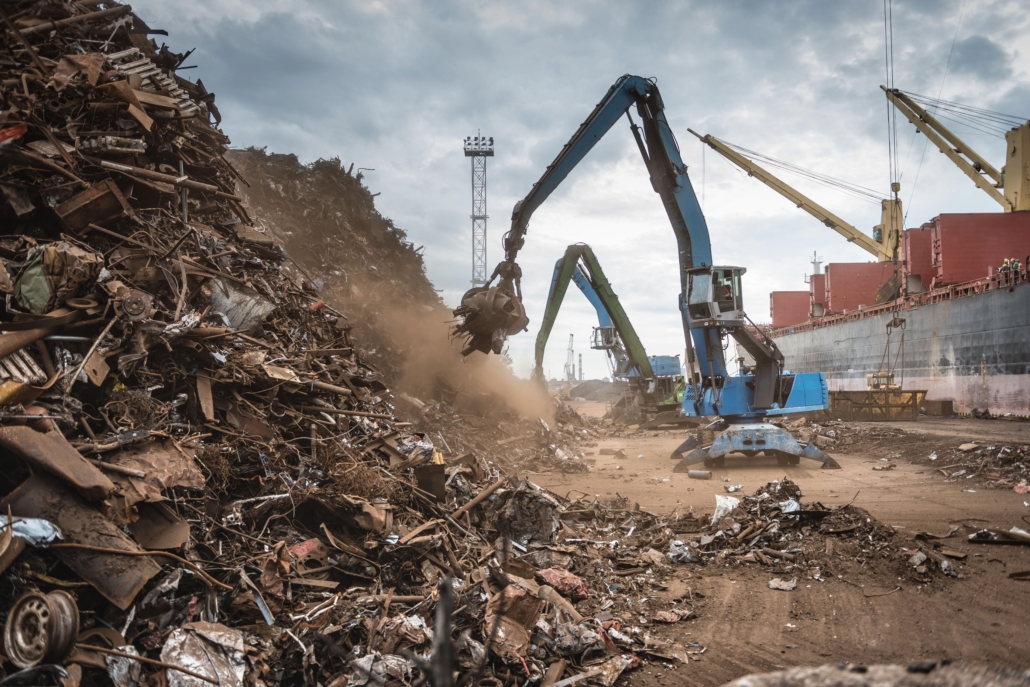
- Metal scrap.
- Ashes from production processes.
Inert Waste
These materials do not undergo significant chemical transformations and generally do not cause environmental contamination.
Examples:
- Construction debris.
- Concrete.
- Bricks.
- Glass.
According to Physical State
Solid Waste
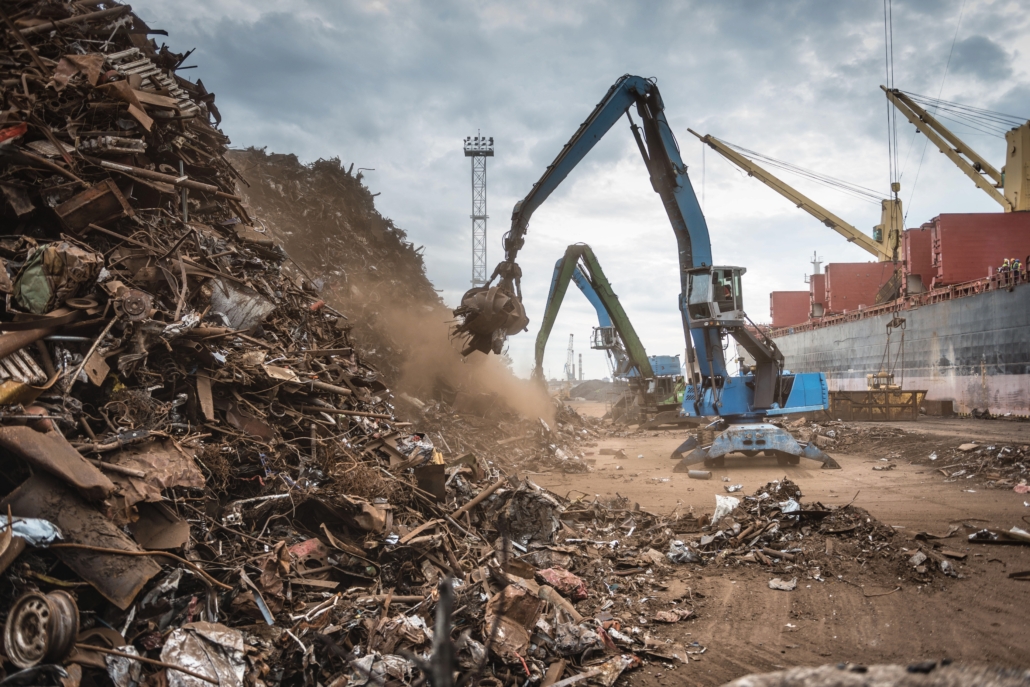
Includes scrap metal, packaging materials, leftover production materials and construction waste.
Liquid Waste
Such as used oils, contaminated industrial wastewater and liquid chemical products.
Gaseous Waste
These are emissions generated during industrial processes that may affect air quality.
Industrial Waste Management and Treatment
Efficient waste management should include:
- Separation and classification at the source.
- Safe and properly labeled storage.
- Transportation in compliance with current regulations.
- Specific treatment methods according to the type of waste.
The main treatment methods include:
Recycling and Material Recovery
This process allows materials to be recovered and reused as secondary raw materials.
Energy Recovery
Certain waste streams can be used to generate energy, reducing reliance on fossil fuels.
Controlled Disposal
When recycling or recovery is not possible, waste may be treated through controlled incineration or disposed of in authorized landfills.
Environmental Impact and Health Risks
Poor industrial waste management can lead to:
- Soil and water contamination.
- Emission of toxic substances.
- Damage to natural ecosystems.
- Health risks, particularly from exposure to hazardous chemicals.
For this reason, preventive and control measures must be implemented throughout the entire waste management cycle.
Circular Economy and Sustainability
Recycling and reusing industrial waste help to:
- Reduce the extraction of raw materials.
- Decrease waste generation.
- Save energy and resources.
- Promote more sustainable production models.
New sorting, separation and recovery technologies are significantly improving the efficiency of industrial recycling facilities.
Conclusion
Industrial waste is an inevitable part of manufacturing and production activities, but proper classification and management can greatly reduce its environmental impact. Recycling, recovery processes and advanced technologies are key tools for transforming waste into valuable resources, supporting a more sustainable, efficient industry aligned with the principles of the circular economy.