
Ballistic Separator: Guide to Choosing the Best Model for Your Recycling Plant
A ballistic separator is an essential machine in modern recycling plants. Its main function is to classify municipal solid waste, lightweight packaging, paper, cardboard, plastics, wood, or construction waste according to their shape, size, and behavior during the separation process.
Thanks to this technology, treatment plants can improve the quality of recovered materials, increase sorting efficiency, and reduce the amount of waste sent to landfill. As a result, the ballistic separator has become a key solution for moving toward more automated, profitable, and sustainable waste management.
What Is a Ballistic Separator?
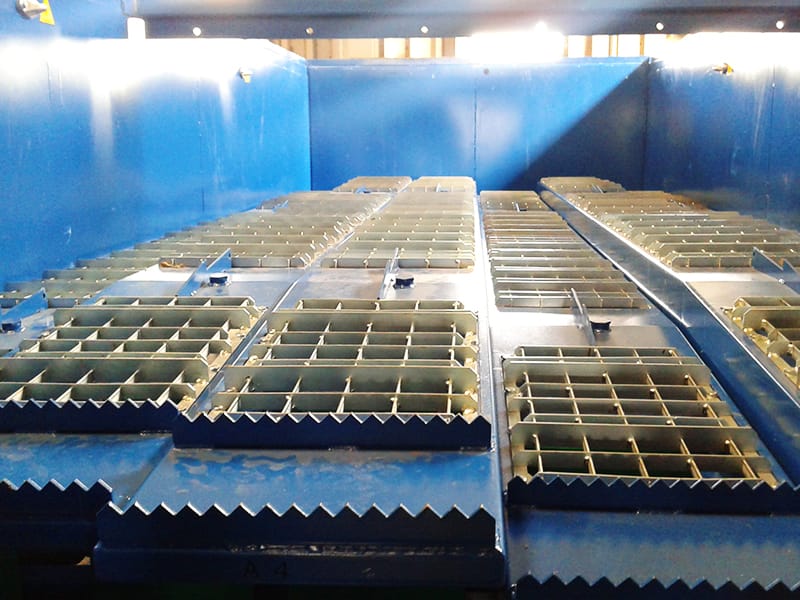
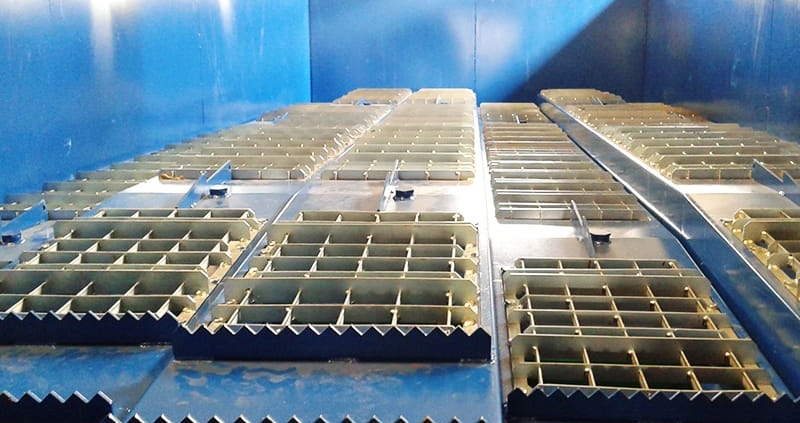
A ballistic separator is a machine designed to divide waste into different fractions using the oscillating movement of an inclined surface made up of paddles or screens. This movement allows materials to be separated according to their physical characteristics.
The equipment generally distinguishes between:
- Flat or 2D materials, such as paper, cardboard, or plastic film.
- Rolling or 3D materials, such as bottles, containers, cans, or rigid packaging.
- Fine fraction, made up of small particles that pass through the screens.
This classification facilitates the subsequent treatment of waste and improves the performance of other plant equipment, such as optical sorters, magnetic separators, shredders, or compactors.
How Does a Ballistic Separator Work?
The operation of a ballistic separator is based on the alternating movement of its inclined paddles. When waste enters the machine, each material behaves differently.
Flat materials tend to move in one direction, rigid or rolling objects move in another, and small particles fall through the perforations in the screen. This system enables fast and accurate separation without the need for constant manual intervention.
In addition, many models allow the inclination and speed to be adjusted to suit the type of waste being processed and improve the purity of the recovered fractions.
Main Components of a Ballistic Separator
To choose the right machine, it is important to understand its most relevant components.
Adjustable Chassis
The inclinable chassis allows the working angle of the separator to be modified, adapting the sorting process to different materials. This adjustment improves performance without the need to completely stop the process.
Classification Shafts and Paddles
The shafts generate the oscillating movement of the machine, while the paddles or screens drive the separation of waste. Their resistance is essential when working with heavy, wet, or abrasive materials.
Interchangeable Screens
Screens make it possible to separate the fine fraction from the rest of the materials. Models with bolted or easily accessible screens simplify maintenance and reduce downtime.
Feeding System
A regular and well-dosed feeding process improves the efficiency of the separator. That is why it is usually integrated with conveyor belts and other automated systems in the plant.
Types of Ballistic Separators by Application
Not all ballistic separators are designed for the same type of waste. The choice of model will depend on the material to be processed, the required capacity, and the necessary level of robustness.
Separators for Paper, Cardboard, and Lightweight Packaging
These machines are designed for light and dry materials. They are commonly used in packaging sorting plants, paper recovery centers, and recyclable waste treatment lines.
They allow paper, cardboard, flexible plastics, bottles, cans, and other packaging materials to be separated efficiently.
Separators for Municipal Solid Waste and Industrial Waste
These models are designed to work with more complex and heavier material flows. They are suitable for mixed municipal waste, plastic fractions, compacted packaging, or non-hazardous industrial materials.
Their structure is usually more resistant and prepared for intensive use.
Separators for Construction and Demolition Waste
When working with rubble, wood, bulky materials, or heavy impurities, more robust machines are required. These separators are prepared to withstand impacts, abrasion, and heavy workloads.
They are especially useful in construction and demolition waste recycling plants.
Advantages of Ballistic Separators in Recycling Plants
Installing a ballistic separator in a treatment plant offers important benefits:
- Improves the quality of recovered materials.
- Increases the efficiency of the sorting process.
- Reduces dependence on manual sorting.
- Optimizes the performance of other recycling equipment.
- Reduces operating costs and downtime.
- Supports compliance with recycling and sustainability targets.
By enabling greater automation, it also helps plants become more productive and competitive.
How to Choose the Best Ballistic Separator
Before selecting a ballistic separator, it is advisable to analyze several technical and operational factors.
Type of Waste to Be Processed
Sorting paper and cardboard is not the same as processing mixed municipal waste or construction materials. The type of waste will determine the required robustness, screen size, and configuration.
Processing Capacity
The machine must match the volume of waste processed by the plant. Insufficient capacity can create bottlenecks, while oversized equipment can lead to unnecessary costs.
Available Space
Some plants have limited surface area. In these cases, it is worth considering compact models, modular configurations, or systems that allow several separation stages to be integrated into less space.
Ease of Maintenance
Access to screens, shafts, paddles, and wear areas is key to reducing downtime. A good maintenance-friendly design improves the service life of the machine and reduces long-term costs.
Integration with Other Equipment
The ballistic separator must work in coordination with conveyor belts, optical sorters, magnetic separators, shredders, and compacting systems. Proper integration improves the overall flow of the plant.
Automation and Technology in Ballistic Separation
Modern ballistic separators can incorporate control systems, sensors, and monitoring tools to improve process performance. These solutions make it possible to adjust parameters, detect incidents, and optimize sorting in real time.
Automation is especially important in plants with high volumes of waste, where precision and process continuity are essential.
Ballistic Separators and Sustainability
The use of ballistic separators has a direct impact on the circular economy. By improving waste sorting, they make it possible to recover more materials and reintroduce them into new production cycles.
This reduces the extraction of virgin raw materials, decreases the amount of waste sent to landfill, and improves the environmental efficiency of recycling plants.
Frequently Asked Questions About Ballistic Separators
What Materials Can a Ballistic Separator Separate?
It can separate paper, cardboard, lightweight packaging, bottles, cans, plastics, wood, municipal waste, and certain industrial or construction waste, depending on the installed model.
What Is the Difference Between a Ballistic Separator and a Trommel?
A trommel mainly sorts materials by size using a rotating drum. A ballistic separator, on the other hand, sorts by shape, density, and material behavior, separating flat, rolling, and fine fractions.
Where Is a Ballistic Separator Installed?
It is installed in recycling plants, municipal solid waste treatment plants, packaging lines, industrial waste plants, and construction and demolition waste treatment centers.
What Maintenance Does It Require?
It requires periodic inspections of screens, paddles, shafts, bearings, and transmission systems. Proper preventive maintenance prevents breakdowns and extends the service life of the equipment.
Conclusion
A ballistic separator is a key machine for improving waste sorting in recycling plants. Its ability to separate flat, rolling, and fine materials makes it an efficient solution for processing packaging, paper, cardboard, plastics, municipal waste, industrial waste, or construction waste.
Choosing the right model depends on the type of material, processing capacity, available space, and required level of automation. With proper integration and maintenance, a ballistic separator can increase material recovery, reduce operating costs, and support more sustainable waste management aligned with the circular economy.
Recycling Machinery at Reverter Industries
At Reverter Industries, we design and manufacture recycling machinery adapted to the needs of each treatment plant. If you need to improve waste sorting, shredding, separation, or recovery, our team can help you find the most efficient solution for your project.
Discover our recycling machinery solutions and optimize the performance of your plant with specialized industrial technology.