
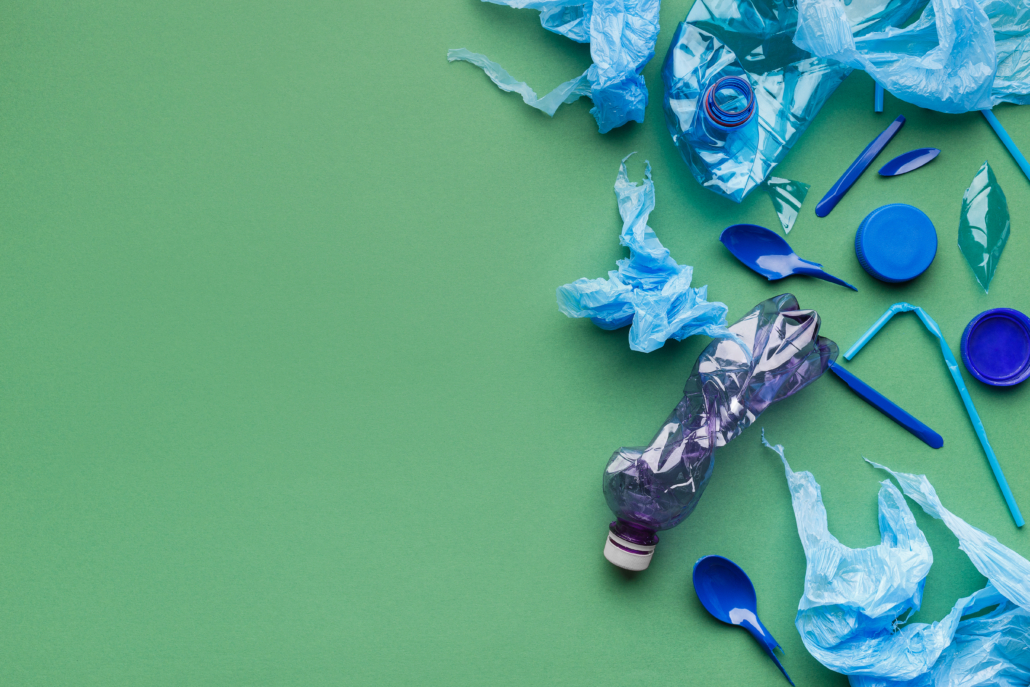
Plastic Pollution: A Global Environmental Challenge
Plastic pollution has become one of the greatest environmental challenges of the 21st century. The massive production of plastics and the increasing consumption of disposable products have led to an accumulation of waste that affects oceans, rivers, soils, and ecosystems around the world. Its impact not only harms biodiversity but also creates economic consequences and potential risks to human health.
Why Is Plastic Pollution Such a Serious Problem?
Plastics are known for their durability and resistance, but these same characteristics allow them to remain in the environment for decades or even centuries. Every year, millions of tons of plastic waste end up in natural environments due to inadequate waste management.
A large portion of this waste reaches the oceans, where it severely impacts marine ecosystems and countless animal species that mistake it for food or become entangled in it.
Types of Plastics That Pollute the Environment
Plastic pollution can mainly be divided into two categories:
Macroplastics
These are large plastic items such as bags, bottles, packaging, fishing nets, and containers. They can remain in the environment for years and cause direct harm to wildlife.
Microplastics
These are particles smaller than five millimeters that originate from the breakdown of larger plastic objects or from certain industrial and cosmetic products. Due to their tiny size, they are particularly difficult to remove and can easily enter the food chain.
Main Causes of Plastic Pollution
Several factors have contributed to the growth of this environmental problem:
- Mass production of single-use plastics.
- Excessive consumption of disposable packaging.
- Poor waste management practices.
- Lack of adequate recycling infrastructure.
- Illegal dumping and littering in natural areas.
- Limited awareness of responsible consumption.
The combination of these factors has resulted in large amounts of plastic being dispersed throughout the environment.
Environmental and Economic Consequences
Plastic pollution has impacts that go far beyond the visual degradation of landscapes.
Impact on Biodiversity
Many marine species, birds, and mammals suffer injuries, digestive problems, or even death after ingesting plastic waste or becoming trapped in it.
Ecosystem Contamination
Plastics alter natural habitats and can release chemical substances that affect water, soil, and living organisms.
Economic Consequences
Industries such as fishing, aquaculture, and tourism face financial losses due to environmental degradation and the costs associated with waste cleanup and management.
Risks to Human Health
Microplastics have already been detected in food, drinking water, and various consumer products, raising growing concerns about their potential long-term effects on human health.
Solutions to Reduce Plastic Pollution
Addressing this issue requires the joint involvement of governments, businesses, and citizens.
Some of the most effective measures include:
- Reducing the use of disposable plastics.
- Promoting reusable products and returnable packaging.
- Improving waste collection and recycling systems.
- Encouraging the circular economy.
- Promoting environmental education and awareness.
- Developing biodegradable materials and more sustainable alternatives.
Innovation and the Circular Economy
New recycling technologies make it possible to recover increasing amounts of material and transform it into new products. This approach supports the circular economy, where waste is no longer considered garbage but a valuable resource.
Investment in advanced machinery, automated sorting systems, and material recovery processes is helping reduce dependence on virgin raw materials and decrease waste generation.
Conclusion
Plastic pollution is a global problem that affects the environment, the economy, and human health. Reducing unnecessary plastic consumption, improving recycling systems, and investing in innovative solutions are essential steps to mitigate its impact. Only through responsible resource management and greater public awareness can we move toward a more sustainable and environmentally friendly future.