Industrial Waste Collection: Responsible Management
Industrial waste collection is an essential process to ensure that waste generated by productive activities is managed safely and in compliance with regulations. Proper planning helps reduce environmental risks, optimize resources, and promote the reuse of materials.
The Importance of Efficient Waste Collection
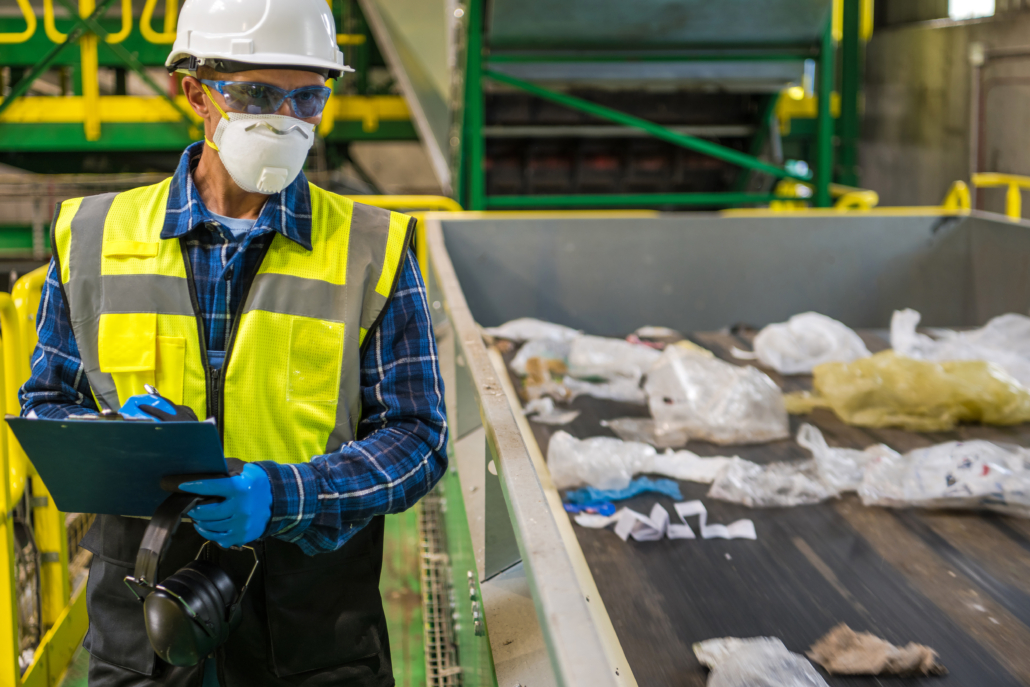
Industries generate a wide variety of waste streams that require different treatments depending on their composition. For this reason, waste collection is the first step in ensuring proper management and preventing pollution issues or regulatory non-compliance.
An efficient organization improves waste traceability and facilitates subsequent recycling, recovery, or disposal processes.
Main Types of Industrial Waste
Industrial waste can be classified into different categories:
Hazardous Waste
These wastes contain substances that may be harmful to people or the environment, such as chemicals, used oils, or contaminated sludge.
Non-Hazardous Waste
This category includes common industrial materials such as plastics, cardboard, metals, and packaging, which can often be recovered through recycling processes.
Waste by Physical State
Depending on its physical form, waste may be solid, liquid, or gaseous, which determines how it must be stored and transported.
Company Responsibilities
Current legislation establishes that waste producers are responsible for the proper management of the waste they generate. Their obligations include:
- Identifying and classifying generated waste.
- Ensuring safe storage conditions.
- Delivering waste to authorized waste management companies.
- Maintaining the documentation and records required by regulations.
Compliance with these obligations helps avoid penalties and improves an organization’s environmental performance.
Storage and Transportation
Before treatment, waste must be stored under suitable conditions to prevent leaks, mixing, or contamination.
Transportation must be carried out by authorized operators and supported by the required documentation, ensuring full control and traceability of waste from its origin to its final destination.
Waste Treatment and Recovery
Once collected, waste can follow different management routes:
- Recycling of recoverable materials.
- Energy recovery.
- Specific physical or chemical treatments.
- Controlled disposal when no recovery alternative is available.
The chosen treatment depends on the type of waste and its recovery potential.
Innovation and Sustainability
Digitalization, automation, and emerging technologies are improving the efficiency of industrial waste management. These tools help optimize collection processes, increase material recovery rates, and reduce operating costs.
At the same time, the circular economy promotes models in which waste is no longer considered a disposal problem but a valuable resource.
Conclusion
Industrial waste collection goes far beyond the simple removal of waste materials. It is a strategic process that combines regulatory compliance, environmental protection, and resource recovery. Efficient management helps reduce the environmental impact of industrial activities, improve sustainability, and advance toward more responsible and circular production models.