
Design, manufacture and assembly of turnkey recycling plants, tailored to each waste stream and focused on efficiency and profitability.

Diferencias entre el reciclaje de Plásticos Rígidos y Flexibles

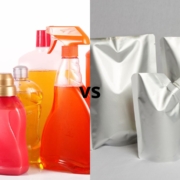
Recycling plastics is a key aspect of reducing environmental pollution. There are two main types of plastics: rigid and flexible, each with distinct characteristics and recycling processes. Rigid plastics, such as PET and HDPE, are used in durable packaging and have more structured recycling. On the other hand, flexible plastics, such as LDPE and PP, present significant challenges in their collection and recycling.

Classification of Plastics

The classification of plastics is based on their properties and uses. Each type of plastic has specific characteristics that determine its recyclability and application in everyday life.

Types of Rigid Plastics

Rigid plastics are those that maintain their shape and offer high strength. These plastics are widely used in packaging and products that require durability. Some of the most common are:

  • PET (Polyethylene Terephthalate): It is a clear and resistant plastic that is mainly used in beverage bottles. Its easy recyclability makes it a popular choice.
  • HDPE (High Density Polyethylene): This material is known for its strength and is found in product packaging such as detergents and milk bags. It is highly recyclable.
  • PVC (Polyvinyl Chloride): Used in pipes and linings, PVC can be recycled, although its process is more complex due to the variety of additives it contains.

Types of Flexible Plastics

Flexible plastics are products that can be bent or compressed without breaking, giving them versatility in different applications. Some prominent examples are:

  • LDPE (Low Density Polyethylene): This plastic is known for its softness and flexibility, used in bags and wrappers. Its recyclability is on the rise, but it faces challenges in collection.
  • PP (Polypropylene): This material is common in food packaging and lids. Despite their widespread use, their recycling faces similar challenges to those of flexible plastics.

Recycling Processes

Plastic recycling processes are essential for their subsequent reuse and waste minimisation. Each type of plastic requires specific methods to be recycled effectively.

Methods for Recycling Rigid Plastics

Collection and Sorting

Rigid plastics, such as PET and HDPE, are collected through specific containers for recycling. This initial step is based on separating products according to their type and composition, which facilitates subsequent processes and ensures more efficient recycling.

Cleaning and Crushing

Once sorted, the plastics are subjected to a cleaning process to remove any contaminants. They are then crushed into small fragments or flakes, which allows for easier handling during casting.

Foundry & Extrusion

The crushed fragments are melted at high temperatures, and molded to create pellets that can be used in the manufacture of new products. This process is crucial for reincorporating rigid plastics into the economic cycle.

Processes for Recycling Flexible Plastics

Gathering and Challenges

Collecting flexible plastics is less systematic and presents several challenges. Many end up in landfills due to a lack of adequate infrastructure for recycling, making them difficult to recover.

Cleaning and Recovery

Before being recycled, flexible plastics must be thoroughly cleaned. This process can be complicated, as they are often mixed with other materials and products, making it difficult to recover them later and take advantage of their properties.

Infrastructure Limitations

The shortage of specific recycling plants for flexible plastics severely limits recycling rates. Despite efforts to educate consumers on proper separation, the lack of proper facilities remains a major obstacle.

Plastics Recycling Challenges

Plastics recycling faces significant challenges that affect its effectiveness and sustainability. These challenges vary by type of plastic and can compromise efforts to reduce pollution and maximize resources.

Obstacles in Rigid Recycling

The recycling of rigid plastics has presented a series of impediments that can hinder its effective process. Despite having a structured framework, it is essential to address the following issues.

Pollution and Waste

Contamination of rigid plastics with other materials can hinder recycling. The presence of organic or non-plastic waste affects both the quality of the recycled material and the efficiency of the process. The need for thorough cleaning has a direct impact on the costs and resources required to carry out recycling.

Inefficiencies in Harvesting

Despite the existence of established collection systems, many rigid plastics are not fully recycled. A lack of consumer awareness and variability in local recycling infrastructure affect the effectiveness of collection, resulting in a high percentage of plastics ending up in landfills.

Challenges when Recycling Flexible Plastics

Recycling flexible plastics presents even more complicated challenges. The need to develop adequate methods for their recovery and processing becomes crucial in a context of growing consumption.

Lack of Dedicated Infrastructure

One of the main limitations in the recycling of flexible plastics is the deficiency in specific facilities for their treatment. Most recycling centers are designed for rigid plastics, which reduces the manageability of flexible plastics and often leaves them out of the recycling loop.

Low Public Awareness

The poor understanding in the population about the correct way to recycle flexible plastics also contributes to this problem. Many consumers are unaware that these plastics are recyclable, leading to them being disposed of incorrectly or not properly separated for processing.

Environmental Impact of Plastic

Plastic has a significant environmental impact, affecting diverse ecosystems and contributing to the waste crisis. Rigid and flexible plastics have different consequences, which must be analyzed in depth.

Consequences of Rigid Plastics

Durability and Degradation

Rigid plastics, such as PET and HDPE, are extremely durable, meaning they can remain in the environment for extended periods, ranging from 100 to 1,000 years. This long durability translates into the accumulation of waste, which affects fauna and flora, as well as marine and terrestrial ecosystems.

Energy Savings by Recycling

On the other hand, the recycling of rigid plastics allows considerable energy savings. Recycling these materials consumes less energy compared to producing new plastics from virgin materials. As a result, greenhouse gas emissions are reduced and a more sustainable economy is fostered.

Effects of Flexible Plastics

Decomposition Problems

Flexible plastics, such as LDPE and polypropylene, are also persistent in the environment. Their decomposition is slow and they often fragment into microplastics, which are equally harmful. These microplastics can be ingested by marine organisms, affecting the food chain and the health of ecosystems.

Visual and Environmental Pollution

The presence of flexible plastics in nature contributes to visual pollution. Many of these plastics end up in landfills and natural areas, generating a negative impact on the aesthetics of the environment. In addition, the accumulation of plastic waste can affect the habitat of many species, altering their behavior and reproduction.

Alternatives to improve recycling

There are several alternatives that can contribute to improving plastic recycling and promote a more positive impact on the environment. These strategies range from economic models to innovations in materials and public awareness.

Promotion of the Circular Economy

The circular economy is a model that seeks to reintroduce materials into the economic cycle, minimizing waste. The implementation of this model involves:

  • Design products that facilitate recycling.
  • Encourage the reuse of materials instead of creating new products from virgin resources.
  • Create incentives for companies that adopt effective recycling practices.

Innovations in Materials and Techniques

Advancement in recycling technology is crucial. Innovations may include:

  • Development of bioplastics that are more easily recyclable or biodegradable.
  • Improvements in plastic separation and purification processes in recycling plants.
  • Use of advanced techniques, such as pyrolysis, to recycle plastics that cannot be conventionally processed.

Education and Public Awareness

Education and awareness are key to increasing recycling rates. It is necessary to:

  • Develop educational campaigns on the correct separation and recycling of plastics.
  • Include content on sustainability and recycling in school curricula.
  • Promote community initiatives that involve citizens in recycling activities.

Are you looking for efficient solutions for the recycling of packaging and plastics? At Reverter Industries, we design packaging and plastics recycling plants tailored to your specific needs, incorporating advanced technologies to maximize material recovery and reduce environmental impact. Our team of experts is ready to advise you and help you implement a sustainable and cost-effective solution, contact us today for more information and personalized advice!
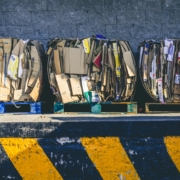
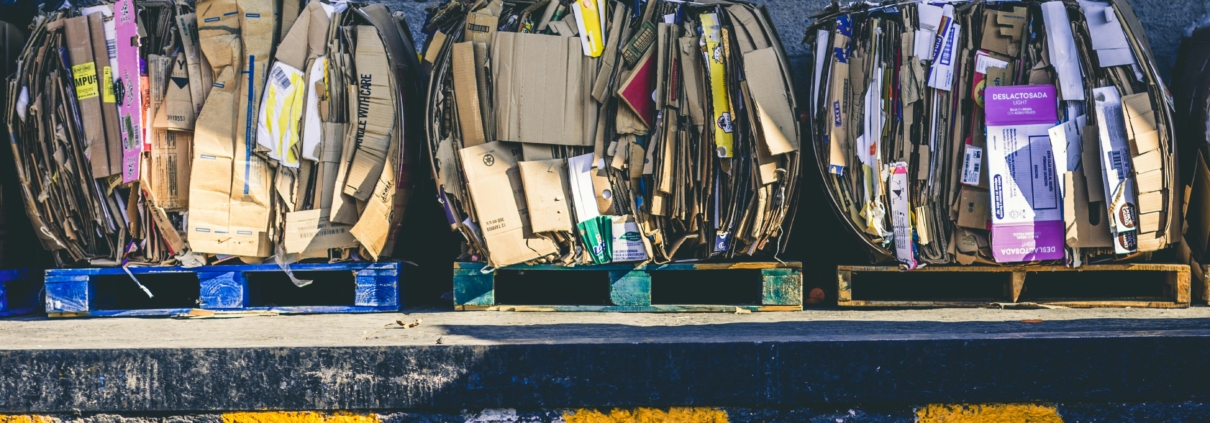
Paper and cardboard recycling plants play a crucial role in reducing deforestation. Through efficient processes, they transform recycled materials into new products, thus reducing the need to cut down trees. In addition, recycling contributes to the conservation of natural resources and the mitigation of climate change. With a focus on sustainability, it promotes the responsible use of resources, benefiting both the environment and the economy.

Operation of Paper and Cardboard Recycling Plants

The paper and cardboard recycling process is carried out in plants specifically designed to transform these materials into new products. This operation is based on several stages that allow the recovery and reuse of materials, thus contributing to environmental sustainability.

Paper and cardboard recycling process

The recycling process begins with the collection of paper and cardboard from different sources. Once collected, it is taken to the recycling plant where it is separated and classified according to type and quality. The materials are then shredded and mixed with water and chemicals to break them down into pulp.

After the pulp is obtained, it is purified by removing contaminants, such as staples or plastics. This process often includes a filtering system that improves the quality of the pulp. Finally, the clean pulp is dried and made into recycled paper sheets or used to manufacture new paperboard products.

Technologies used in recycling

Recycling plants employ various technologies to improve the efficiency of the process. Some of the most common are:

  • Shredding machines: These machines reduce the size of paper and cardboard, facilitating handling and processing.
  • Separation systems: Implement mechanical and optical methods that help sort recyclable materials and effectively remove contaminants.
  • Chemical reactor: Used to treat pulp and remove impurities more efficiently, which improves the quality of recycled paper.

Recent improvements in recycling techniques

In recent years, recycling plants have incorporated advanced technologies that optimize energy and resource consumption. A greater focus on process automation has been developed, reducing errors and speeding up production.

In addition, closed-loop recycling methods have been implemented, allowing the water used in the process to be treated and reused, thus minimizing the plant’s environmental impact.

Recycled paper and its transformation into new products

Once the recycling process is complete, recycled paper and cardboard can be used in the manufacture of a wide variety of products. From printing and writing paper to corrugated board and packaging, the possibilities are numerous.

Recycled products not only help reduce the need for virgin raw materials, but also promote a more sustainable production cycle. The use of recycled paper has the potential to reduce the demand for tree felling, thereby protecting forests.

Environmental Benefits of Paper and Cardboard Recycling

Recycling paper and cardboard provides multiple environmental benefits. These benefits range from natural resource conservation to climate change mitigation and solid waste reduction. Implementing effective recycling practices not only protects ecosystems, but also promotes sustainability in our environment.

Conservation of natural resources

One of the most significant benefits of paper and cardboard recycling is the conservation of natural resources. This practice contributes directly to reducing the need to extract raw materials from the natural environment.

Reduced tree felling

Conventional paper production requires the felling of a large number of trees. By recycling paper and cardboard, the demand for wood is reduced, which helps to preserve forests and their biodiversity. Each ton of recycled paper can save up to 17 trees, demonstrating the direct impact that recycling has on deforestation.

Saving water in the recycling process

Paper recycling not only saves trees, but also significantly reduces water consumption. The conventional paper industry consumes large amounts of water to process wood. In comparison, recycling uses 60% less water. This not only benefits the environment, but also helps to conserve a vital resource in regions where water is scarce.

Climate change mitigation

Paper and cardboard recycling plays a crucial role in climate change mitigation. Through waste reduction and resource savings, negative impacts on the environment are minimized.

Reduced carbon footprint

By recycling paper and cardboard, the carbon footprint associated with the production of new paper is reduced. The manufacture of recycled paper emits significantly fewer greenhouse gases compared to the production of paper from virgin materials. Recycling thus helps reduce air pollution and contributes to a cleaner environment.

Reduction of greenhouse gas emissions

The recycling process, by replacing virgin paper production, implies a reduction in greenhouse gas emissions. Fewer emissions translate into less impact on climate change, which is essential for the health of the planet and future generations.

Reducing solid waste in landfills

Paper and cardboard recycling not only contributes to resource conservation and climate change mitigation, but also plays a key role in reducing solid waste. Proper management of these recyclable materials prevents their accumulation in landfills.

Impact of waste on soil

Landfilled waste can seriously affect soil quality. When paper and cardboard decompose, they release chemicals that can contaminate the soil and affect water tables. Recycling avoids the production of these wastes, contributing to a healthier soil.

Amount of waste recycled annually

Today, millions of tons of paper and cardboard are recycled annually in various parts of the world. This collective effort diverts large volumes of waste from landfills and provides raw material for new production, closing the life cycle of products and promoting the circular economy.

Economic and Social Impact of Paper and Cardboard Recycling

Paper and cardboard recycling not only brings environmental benefits, but also has a significant impact on the economy and society. These recycling plants generate employment and promote a more sustainable economic model, contributing to social welfare and the circular economy.

Employment generation in the recycling industry

The paper and cardboard recycling industry is a growing sector that has become an important source of employment. This sector not only creates direct jobs in recycling plants, but also generates indirect jobs in related areas, such as collection, transportation and distribution of recycled materials.

  • Recycling plant operators
  • Collection truck drivers
  • Logistics and distribution personnel
  • Waste management experts
  • Researchers in recycling technologies

Energy and cost savings in production

Recycling paper and cardboard also results in significant savings in both energy and economic terms. The use of recycled materials instead of virgin materials leads to lower energy consumption, which is reflected positively in production costs.

Cost comparison: recycled paper vs. new paper

The production of recycled paper is generally more economical than the production of new paper. This saving is due to several factors:

  • Reduced costs in obtaining raw materials.
  • Lower energy consumption in the production process.
  • Reduced costs associated with waste management.

These factors make recycled paper an attractive option for companies and industries, thus favoring a more sustainable economic model.

Circular economy and sustainability

Paper and cardboard recycling is an integral part of the circular economy, a model that promotes the reuse and recycling of products to minimize waste and maximize the use of resources.

Role of recycling in the circular economy

Recycling not only reduces the amount of waste, but also helps to conserve natural resources, closing the production and consumption cycle. By recycling paper and cardboard, these materials are reintroduced into the market, reducing dependence on new raw materials.

Sustainability benefits for businesses

Companies that adopt sustainable practices, including the use of recycled paper, not only improve their public image, but can also benefit from:

  • Reduced operating costs.
  • Improved customer satisfaction.
  • Access to government incentives and subsidies.

Sustainability has become a key factor for business competitiveness, driving more organizations to consider recycling as a fundamental part of their strategy.

Paper and Board Recycling Challenges and Opportunities

Paper and board recycling faces a number of significant challenges, but also presents opportunities that can contribute to a more sustainable future.

Current challenges in waste management

Waste management is a critical aspect in the fight for environmental sustainability. One of the main challenges is the correct classification and treatment of waste, including the identification of hazardous waste that requires special handling.

Hazardous waste and its proper treatment

In the area of recycling, it is essential to consider hazardous waste. These include materials that can be toxic or harmful to human health and the environment, such as certain types of inks, glues and other additives present in recycled paper and cardboard. Their inadequate treatment can lead to soil and water contamination, which represents a significant risk. It is therefore essential to develop adequate infrastructures and safety protocols for their handling.

Innovations needed to improve recycling

The implementation of new technologies is crucial to optimize paper and board recycling. Among the most promising innovations are:

  • Automated sorting systems that increase efficiency and reduce human error.
  • Improvements in the disintegration and fiber separation processes, which allow more recyclable material to be recovered, thus enhancing the quality of the final product.
  • Research into new recycling methods that minimize the loss of quality in paper fibers, making them more reusable.

New opportunities in the recycling sector

Despite the present challenges, the paper and cardboard recycling sector is also seeing remarkable development in terms of business opportunities and innovation.

Development of new recycled materials

The industry is exploring the creation of new recycled materials that can serve to diversify supply in the market. These materials, which include high-quality recycled paper and cardboard, are finding applications in various sectors, such as construction, packaging and furniture production. The use of these products not only promotes the circular economy, but also reduces dependence on virgin raw materials, which in turn reduces pressure on forests.

The future of sustainable paper production

The move towards more sustainable paper production is another area full of opportunities. This includes the integration of processes that use fewer resources and are more environmentally friendly, such as the use of renewable energy in recycling plants. On the other hand, the development of public policies that promote the use of recycled paper instead of new paper also plays a fundamental role in this change. This would create a virtuous circle that would encourage consumers to opt for recycled products, being more aware of the environmental impact of their purchasing decisions.

Are you interested in implementing a sustainable solution for paper and cardboard recycling? At Reverter Industries, we offer paper and cardboard recycling plants designed with advanced technology to maximize efficiency and reduce environmental impact. Our team of experts is ready to advise you and help you find the perfect solution for your needs – contact us today and take the next step towards a more sustainable future!

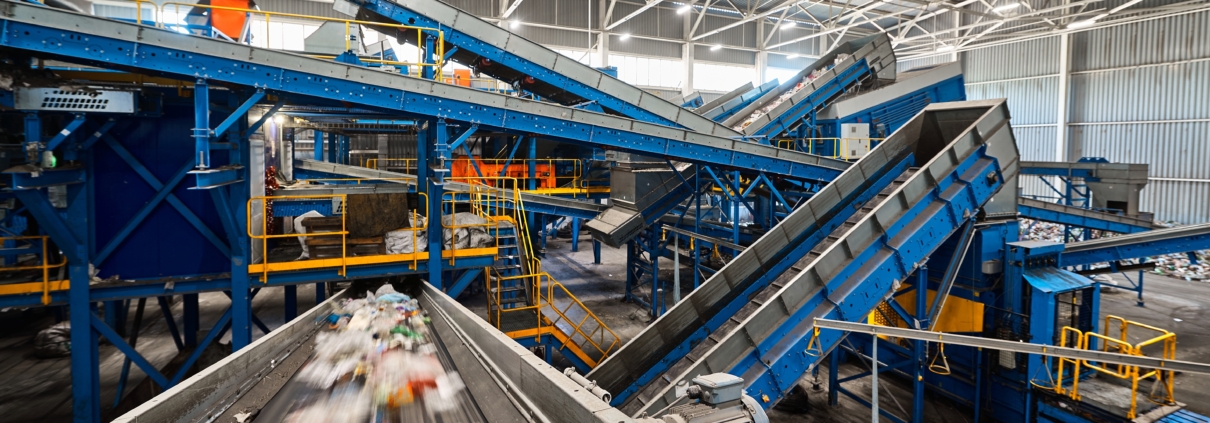
Recycling plants are key facilities in waste management. Their main function is to transform discarded materials into new products, thus contributing to sustainability and the circular economy. The process in these plants includes the reception and sorting of waste, as well as the treatment of different materials such as plastics, paper, glass and metals. Each stage is essential to maximize the reuse of resources. In this article we will discover this and much more in order to learn how a recycling plant works.

Fundamentals of Recycling and its Environmental Impact

Recycling is an essential process that allows for the recovery and reuse of materials. Its implementation not only helps to minimize waste, but also plays a crucial role in protecting the environment and the efficient use of resources.

Benefits of Recycling

Recycling has numerous benefits, both environmentally and economically.

  • Waste reduction: Recycling reduces the amount of waste that ends up in landfills, prolonging its useful life.
  • Energy savings: Manufacturing products from recycled materials consumes significantly less energy than production from raw materials.
  • Decreased pollution: By reducing the need to extract and process new raw materials, recycling leads to fewer emissions of polluting gases and has a positive impact on air quality.
  • Conservation of natural resources: Less extraction of natural resources such as wood, water and minerals contributes to the sustainability of the planet.
  • Economic impact: The recycling industry generates employment, encourages the development of technology and offers business opportunities in various sectors.

Contribution to the Circular Economy

The concept of a circular economy seeks to close the life cycle of products. In this model, recycling plays a fundamental role by allowing materials to be reintegrated into the production cycle, reducing the need for new resources.

  • Reusing materials: Instead of throwing away products at the end of their useful life, practices are encouraged that allow them to be remanufactured or reintegrated into the production process.
  • Reducing consumption: By closing the cycle, the demand for raw materials is reduced, resulting in a reduction in the environmental impact associated with the extraction and processing of these resources.
  • Stimulating innovation: The circular economy promotes research and development of new recycling methods, as well as the creation of products designed to be easily recycled.

The effective implementation of recycling in the circular economy not only represents a step towards sustainability, but also generates social awareness about the importance of caring for the environment and properly managing existing resources.

Functionality of Recycling Plants

Recycling plants play a key role in waste management, facilitating the reuse of recyclable materials and contributing to sustainability. Their process is divided into several key stages that ensure the correct transformation of waste into new products.

Reception and Classification of Waste

Reception Area

Upon arrival at the plant, the trucks proceed to unload the waste in a specific reception area. This area is designed to receive large volumes of material and is the gateway to the entire recycling process. Here, the different types of waste are grouped according to their nature and the raw material is prepared for the next phase of classification.

Mechanical Classification and Manual Discarding

Once the waste is unloaded, a sorting process begins. This is carried out in two stages: manual disposal and mechanical sorting. Manual disposal involves the intervention of operators who review the material and eliminate those elements that are not recyclable. Automatic mechanical sorting systems are then used, such as magnets and optical detectors, which allow different types of materials to be separated, thus optimising the quality of the recyclables.

Treatment and Processing of Recyclable Materials

Plastic Recycling Process

EELL’s plastic packaging treatment involves selective collection, sorting, cleaning, shredding and compaction. We use technologies such as ballistic, optical and induction separators to maximize the recovery of recyclable materials and minimize rejection. We guarantee an efficient process and comply with the highest quality and safety standards.

Recycling of paper and cardboard

The treatment involves the reception and sorting of recovered paper and cardboard, followed by separation, cleaning and compaction stages. We use advanced technologies such as ballistic, optical separators and mechanical sorting machines to maximize material recovery and ensure the quality of the final product.

Pressing, Packaging and Storage

After processing, the recycled materials are pressed into compact bales, which makes them easier to transport. These bales are stored in designated areas within the plant, ready to be sent to the factories where they will be reused. This approach not only optimizes space, but also involves efficient logistics for the distribution of recycled materials.

Management and Optimization in Recycling

Recycling management is a critical component in maximizing the efficiency of recycling plants. Optimizing resources and separation strategies is critical to increasing the amount of materials that can be recovered and reused.

Importance of Separation at the Origin

Separating waste at source is a critical factor determining recycling efficiency. When citizens correctly sort their waste into the appropriate containers, it makes work easier at recycling plants. This initial task ensures that recyclables arrive clean and free of contaminants, which increases their quality and reduces processing costs.

An efficient source separation system includes the implementation of the following practices:

  • Education for the correct classification of waste.
  • Containers with different colors depending on the type of material.
  • Incentive programs to increase citizen participation.

Role of Awareness Campaigns

Awareness campaigns are essential to educate the public about the importance of recycling and proper waste separation. By increasing knowledge about the environmental impacts of waste and the need for a circular economy, a sustainable recycling culture is fostered. These campaigns may include:

  • Talks and workshops in communities.
  • Educational materials distributed in schools and community centers.
  • Social media initiatives to reach young audiences.

Active and educated citizen participation not only improves the quality of recyclables, but also contributes to the overall success of recycling programs at the community and national levels.

Technological Advances in Waste Management

Technological innovation is revolutionizing the way waste is managed and recycling processes are optimized. Smart tools, such as artificial intelligence and data analytics, are being incorporated to improve the sorting and processing of materials. Some of the most notable technologies include:

  • Image recognition systems to automatically identify specific plastics and other materials.
  • Virtual machines that simulate the best way to sort waste before it arrives at the plant.
  • Mobile apps that allow citizens to track their recycling activities and receive rewards.

These advances not only increase efficiency in recycling plants, but also help reduce the environmental impact associated with the waste management process.

Challenges and Future of Recycling

Recycling faces numerous challenges that must be addressed to ensure its viability and effectiveness in the future. Overcoming these barriers is vital to improving existing systems and facilitating long-term sustainability.

Overcoming Barriers in Materials Recycling

One of the main obstacles to recycling is the diversity of materials. Each type of material has specific treatment requirements, and the presence of contaminants can hinder effective recycling. These include:

  • Composite Material: Many products are made from combinations of materials that are difficult to separate, such as food packaging.
  • Waste Contamination: Mixing recyclable waste with non-recyclable or contaminating materials affects the quality of the recycled material.
  • Lack of Infrastructure: In some areas, recycling infrastructure is insufficient, impacting the efficiency of the process.
  • Lack of Awareness: Lack of knowledge and education on how to properly separate waste can negatively impact the amount of recyclable material processed.

Long-Term Sustainability Potential

The future sustainability of recycling depends on the implementation of innovative strategies and technological advancements. Some of the areas being explored include:

  • Technological Advances: Introducing artificial intelligence and automation technologies into recycling plants can improve material sorting, increasing accuracy and reducing human error.
  • Research and Development: Investing in research to develop new recycling methods will have a positive impact on the effectiveness of existing processes and the creation of more sustainable recyclable materials.
  • Policies and Regulations: Creating stricter regulations on recycling and waste management helps foster a more efficient and responsible recycling system.
  • Education and Awareness: Promoting environmental education from an early age can ensure that future generations are better prepared to manage waste effectively.

The collective effort of societies, businesses and governments will be crucial to address these barriers and achieve a more sustainable recycling future. Without a joint commitment, current challenges could hinder progress towards a circular economy, where recycling plays a central role in conserving resources and the environment.

Boost your business with our custom-made recycling plants. Contact us and we will help you find the perfect solution for your needs.