

Types of Conveyor Belts and Their Applications
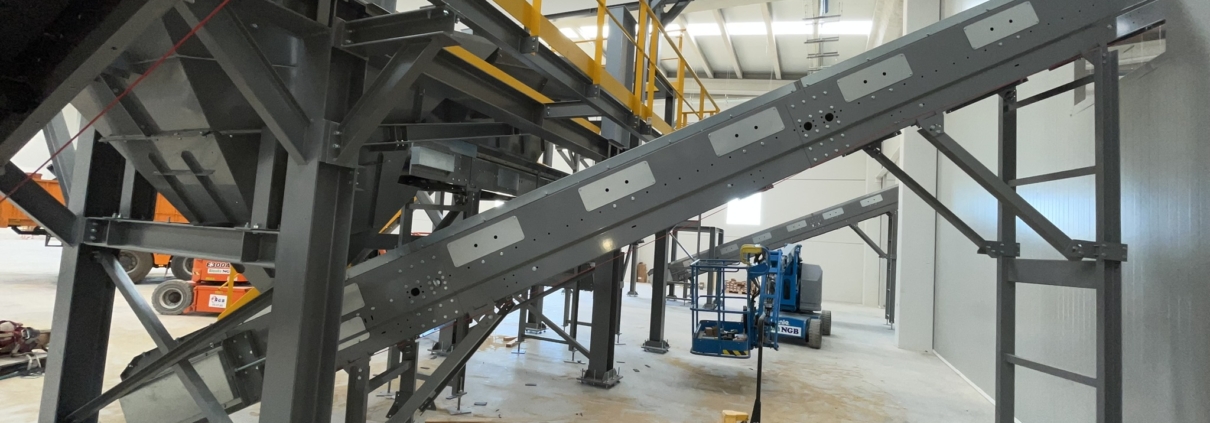
Conveyor belts are essential tools for waste management within the recycling industry. They allow the transport, sorting and separation of different types of materials in an efficient way. Their design and technology have evolved to adapt to the specific needs of recycling, contributing to more sustainable processes. This article looks at the types of belts and their applications in the sector.
Evolution and Functionality of Conveyor Belts
Conveyor belts have undergone remarkable development over the years. Their evolution has been marked by significant technological advances that have made it possible to optimise their functionality across a range of industries, including recycling.
History and Technological Advances
The history of conveyor belts dates back to the end of the 19th century. They were initially used in mines and factories, where they made it easier to move heavy materials from one place to another. Since those first rudimentary designs, the technology has advanced considerably.
Some important milestones in their evolution include:
- The introduction of more hard-wearing materials, such as rubber and PVC, which improve durability.
- The development of motorised systems that allow more efficient and continuous transport.
- The implementation of sensors and automation technology that optimise the workflow.
These advances have helped make belts more versatile, adapting to different environments and types of materials, including the waste generated during the recycling process.
Importance in Recycling
Conveyor belts play an essential role in the recycling industry. Their functionality goes beyond simply transporting materials; they make it possible to sort and separate waste effectively and quickly. The importance of these belts in recycling is reflected in several aspects.
- Efficiency in Processing: They facilitate the continuous transfer of materials, reducing waiting times and increasing productivity in recycling plants.
- Effective Sorting: Conveyor belts are designed to carry materials to work areas where they can be easily sorted and divided, improving the quality of the recyclable material.
- Advanced Technology: Integrating technologies such as magnetic or optical separation into conveyor belts makes it possible to further optimise the sorting and recovery of valuable materials, which is crucial for the profitability of the recycling process.
- Adaptability: They can be customised according to the needs of each company, allowing adjustments to their design in order to handle different types of waste.
The combination of these factors reinforces the functionality of conveyor belts, positioning them as a vital component in the operational flow of modern recycling. This focus on efficiency and innovation is key to meeting today’s waste management challenges.
Types of Conveyor Belts
Conveyor belts are essential tools in various industrial sectors, especially in recycling. Their design varies according to the type of material they transport and the function they perform in the process. The main types of conveyor belts and their characteristics are described below.
Belt Conveyors
Belt conveyors are the most common on the market. They consist of a flexible material that moves over pulleys. These belts are easy to adapt to different configurations and allow the continuous transport of materials.
Materials Used
They are generally manufactured with materials such as rubber, PVC or polyurethane. The choice of material depends on the type of waste being handled and the conditions of the environment, such as resistance to abrasion and corrosion.
Common Applications
They are ideal for transporting bulk products, such as plastic waste and paper. In the recycling sector, they facilitate the efficient collection and movement of materials towards sorting stations.
Modular Conveyor Belts
This type of belt is made up of interconnected sections that allow great flexibility in its design. They are a popular option in situations that require easy maintenance and quick cleaning.
Advantages of Modular Systems
Modular belts make it easier to access the areas where sorting takes place and, since they are made up of modules, it is simple to replace damaged sections without affecting the entire system.
Uses in Industry
They are used in waste sorting, as well as in the food and pharmaceutical industries, where hygiene is paramount. Their modular design makes them perfect for environments where various types of materials are handled.
Roller Conveyors
This type of conveyor uses rollers to facilitate the movement of materials. They can operate in a motorised way or by gravity, depending on the plant’s design.
Efficiency in Storage
Roller conveyors are especially useful in situations where packaged products are handled, since they allow smooth storage and distribution of products.
Distribution Processes
They are commonly used in distribution and logistics centres, where boxes and packages are handled constantly. Their design allows a continuous and organised flow of materials.
Applications in the Recycling Industry
Conveyor belts are fundamental to optimising waste management in recycling. Their ability to handle materials efficiently translates into specific applications that facilitate crucial processes in this sector.
Waste Sorting
Waste sorting is a critical stage in the recycling process, since it determines which materials can be recovered and how the rest should be managed. Correct segregation makes it possible to maximise the effectiveness of recycling and reduce the amount of waste that ends up in landfill.
Importance of Sorting
Carrying out proper waste sorting helps ensure that recyclable materials are processed correctly. This not only improves resource recovery, but also minimises environmental impact by reducing the amount of rubbish.
Technologies Used
- Modular conveyor belt systems that allow easy and quick access for manual sorting.
- Automated equipment that integrates optical separation technology to rapidly identify and sort materials.
Magnetic Separation
Magnetic separation is an essential process in the recovery of ferrous metals within recycling. Magnetic conveyor belts allow effective and rapid separation of these materials, ensuring their reuse in new manufacturing processes.
Metal Separation Process
Magnetic belts use magnets that are able to attract and separate metallic materials as they pass over them. This method is fundamental in scrap recycling facilities where large volumes of materials are processed.
Influence on Operational Performance
By integrating magnetic belts into production lines, recycling plants can increase efficiency in metal recovery, which translates into greater economic returns and better sustainability of the production process.
Handling of Organic Waste
Conveyor belts also play a vital role in the handling of organic waste, making it easier to move it towards composting or anaerobic digestion facilities.
Transport and Processing
These belts transport organic waste from collection points to the processing machines, ensuring proper handling that minimises the loss of organic matter and optimises the production of compost or biogas.
Health Benefits
Using conveyor belts to handle organic waste also offers benefits for workers’ health. By reducing manual contact and the direct handling of rubbish, risks related to hygiene and exposure to contaminants are mitigated.
Advantages of Conveyor Belts in Recycling
Conveyor belts offer multiple benefits in the field of recycling, optimising processes and improving operational efficiency in waste management. The main advantages of their use are detailed below.
Increased Efficiency
The use of conveyor belts in recycling facilities allows continuous handling of materials, which translates into a significant increase in efficiency. These belts ensure that waste is transported quickly and effectively from the collection point to the sorting and processing areas.
With a constant flow of materials, downtime is minimised and the plant’s overall performance is optimised. The automation they provide allows operators to focus on more critical tasks, such as supervising and calibrating equipment for greater effectiveness.
Cost Reduction
The implementation of conveyor belts also brings a notable reduction in operating costs. By automating the movement of materials, the reliance on manual labour is reduced, thereby lowering expenses related to wages and staff training. This is especially relevant in large-scale operations where the volume of waste treated is high.
Lower operating costs improve the profitability of recycling facilities, allowing companies to reinvest in additional technologies or in improving services.
Improvements in Workplace Safety
Conveyor belts contribute to a safer working environment, reducing the physical strain on workers. By decreasing the need to move heavy materials manually, the risk of injuries related to physical effort, such as sprains or back problems, is also reduced. The use of automated transport systems means staff are less exposed to hazardous working conditions.
In addition, since they are designed with safety features such as guardrails and emergency stops, an additional layer of protection is provided for operators.
Flexibility and Adaptability
Conveyor belts are highly flexible and can be adapted to various plant layouts and various types of waste. This versatility allows recycling companies to make adjustments to their production lines as needed, maximising space and facilitating reconfiguration according to new operational needs or changes in workflows.
The ability to adapt the system to different materials and types of recycling provides a competitive advantage in a constantly evolving sector.
Considerations for Selecting a Conveyor Belt
Choosing the right conveyor belt is fundamental to optimising processes in the recycling industry. A careful selection can improve operational effectiveness and extend the service life of the equipment.
Key Aspects to Evaluate
When choosing a conveyor belt, it is crucial to consider several factors. These aspects directly influence the performance and the adaptation of the system to the specific needs of the recycling plant. Some of these aspects are:
- Load Capacity: It is essential to determine the quantity and type of material to be transported in order to ensure that the belt supports the load without compromising its operation.
- Length and Dimensions: The dimensions of the available space and the length needed to transport waste must be considered in order to avoid problems during installation.
- Type of Material: The materials the belt is built from are essential. Depending on the substances being handled, a belt resistant to chemicals or with antistatic properties may be needed.
- Transport Speed: Productivity can be affected by the speed at which materials move. It is important to find a balance between speed and safety.
Impact of the Type of Waste
The type of waste to be transported significantly influences the selection of the conveyor belt. Not all materials have the same characteristics and, therefore, they require belts with specific properties. Some aspects to consider include:
- Organic Waste: For transporting organic rubbish, belts resistant to water and degradation are recommended, ensuring effective and long-lasting handling.
- Ferrous Materials: The inclusion of magnetic belts is crucial when working with metals. These belts help with the efficient recovery of recyclable metals.
- Fragile Materials: Waste that is fragile or that can break requires belts with low speed and special care in the design to avoid damage.
Service Life and Durability
The service life of a conveyor belt is a determining factor in the operational investment. It is essential to select belts that offer wear resistance and that are able to withstand the adverse conditions of a recycling plant. Some points to bear in mind are:
- Wear Resistance: Belts with a suitable coating, such as PVC or polyurethane, tend to have greater wear resistance, thereby increasing their service life.
- Maintenance: The ease of carrying out preventive maintenance and repairs translates into greater durability. Belts that allow simple access to key components are preferable.
- Environmental Conditions: Belts must be chosen to withstand the temperatures and humidity of the environment where they will be installed, ensuring optimal performance over time.
Looking for the best solution to optimise material transport at your recycling plant? At Reverter Industries we offer a wide range of conveyor belts designed to improve the efficiency and automation of your processes.